

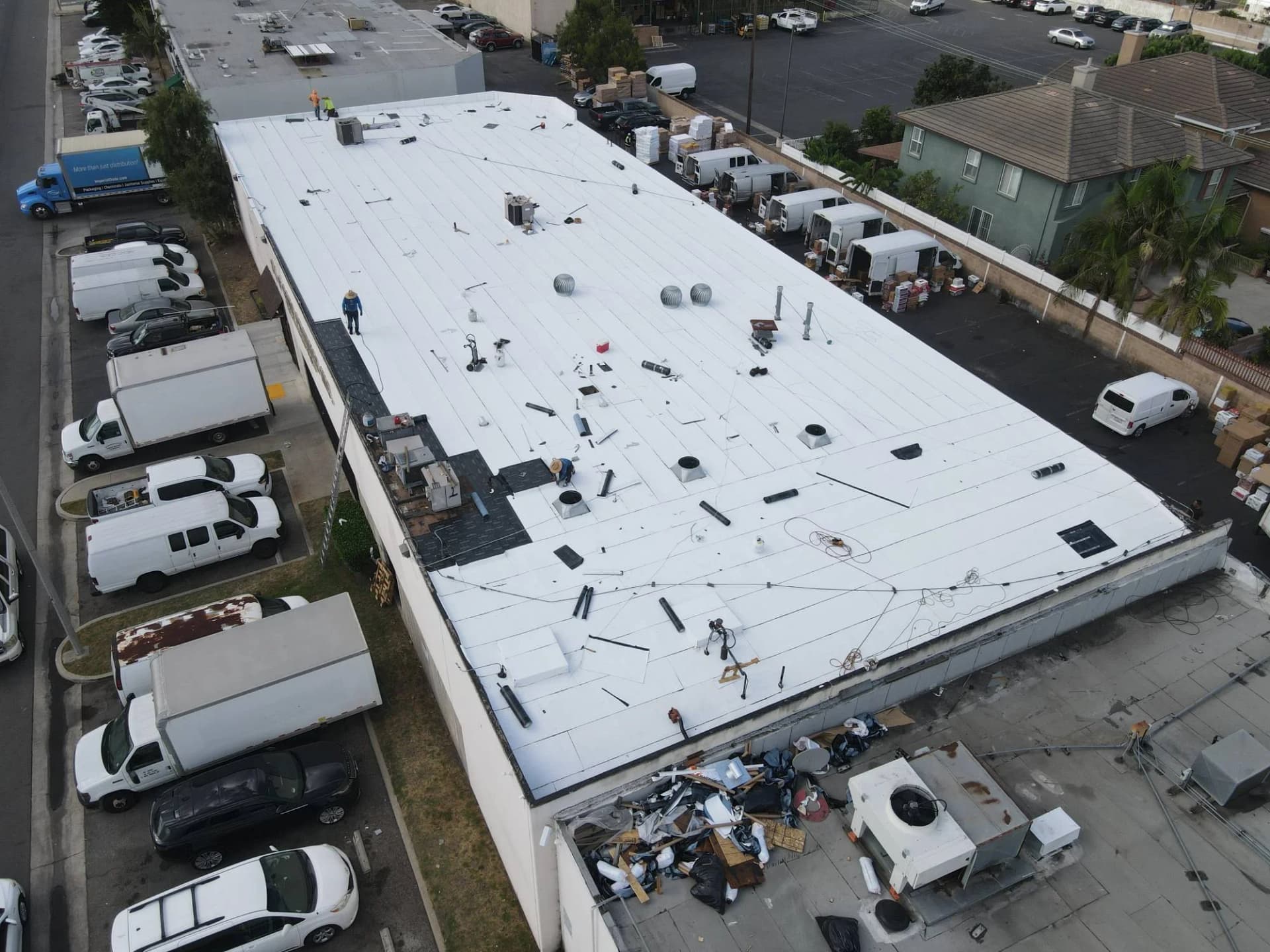
TPO Roofing in Los Angeles & Orange County — A bright white roof that reflects the sun.
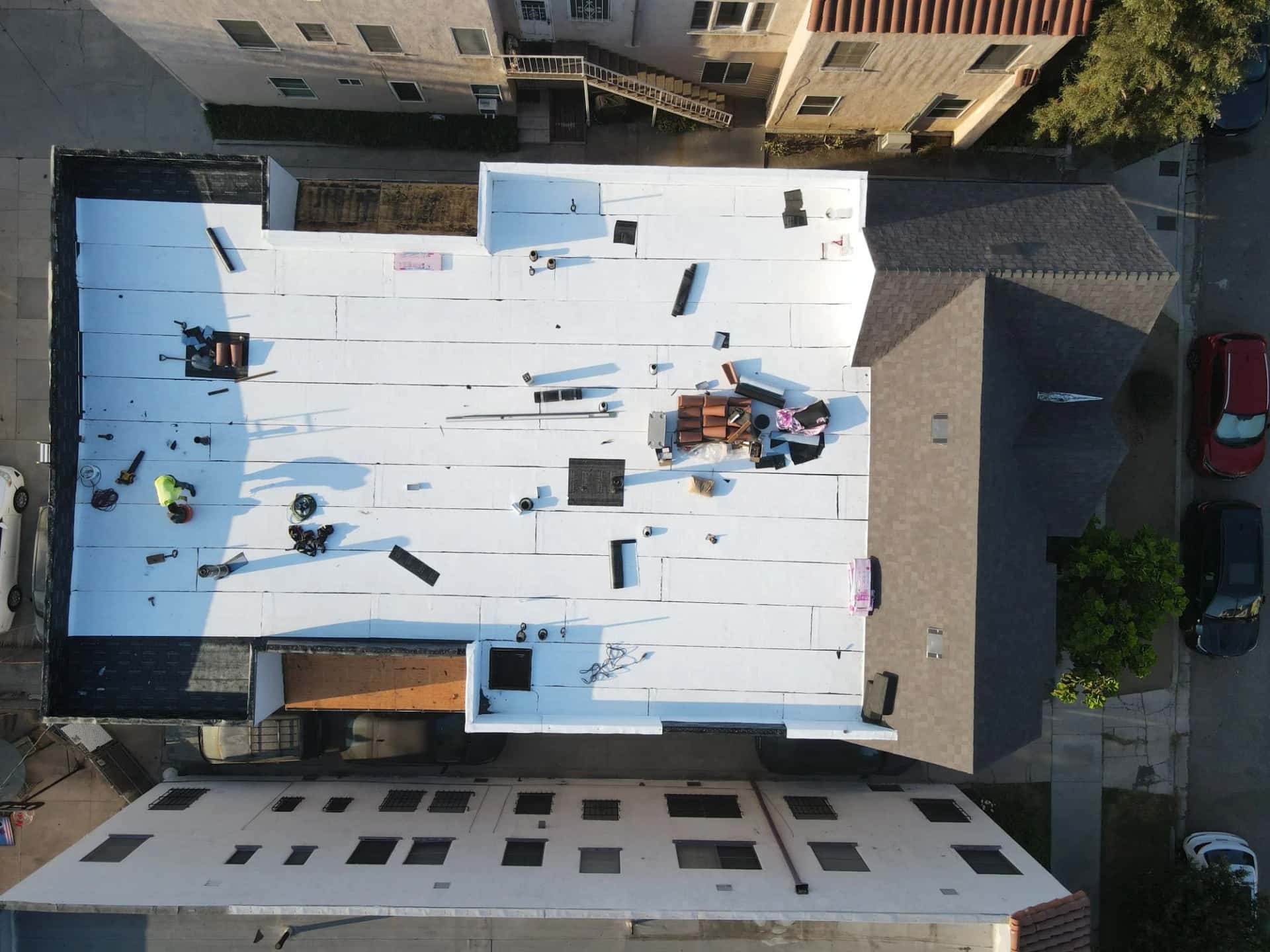
TPO roofing from QRS puts a white, reflective single-ply membrane on flat and low-slope commercial roofs across Los Angeles and Orange County. A roofer surveys the roof first, photographs what is there and recommends TPO only if it suits the building, with a written scope and price before any work. The work is planned in phases so your building stays open.
- Roofer-led roof survey
- Written scope and price before any work
- Permits pulled
- CSLB #1061942
TPO roofing
A TPO roof is only as good as its seams and its details.
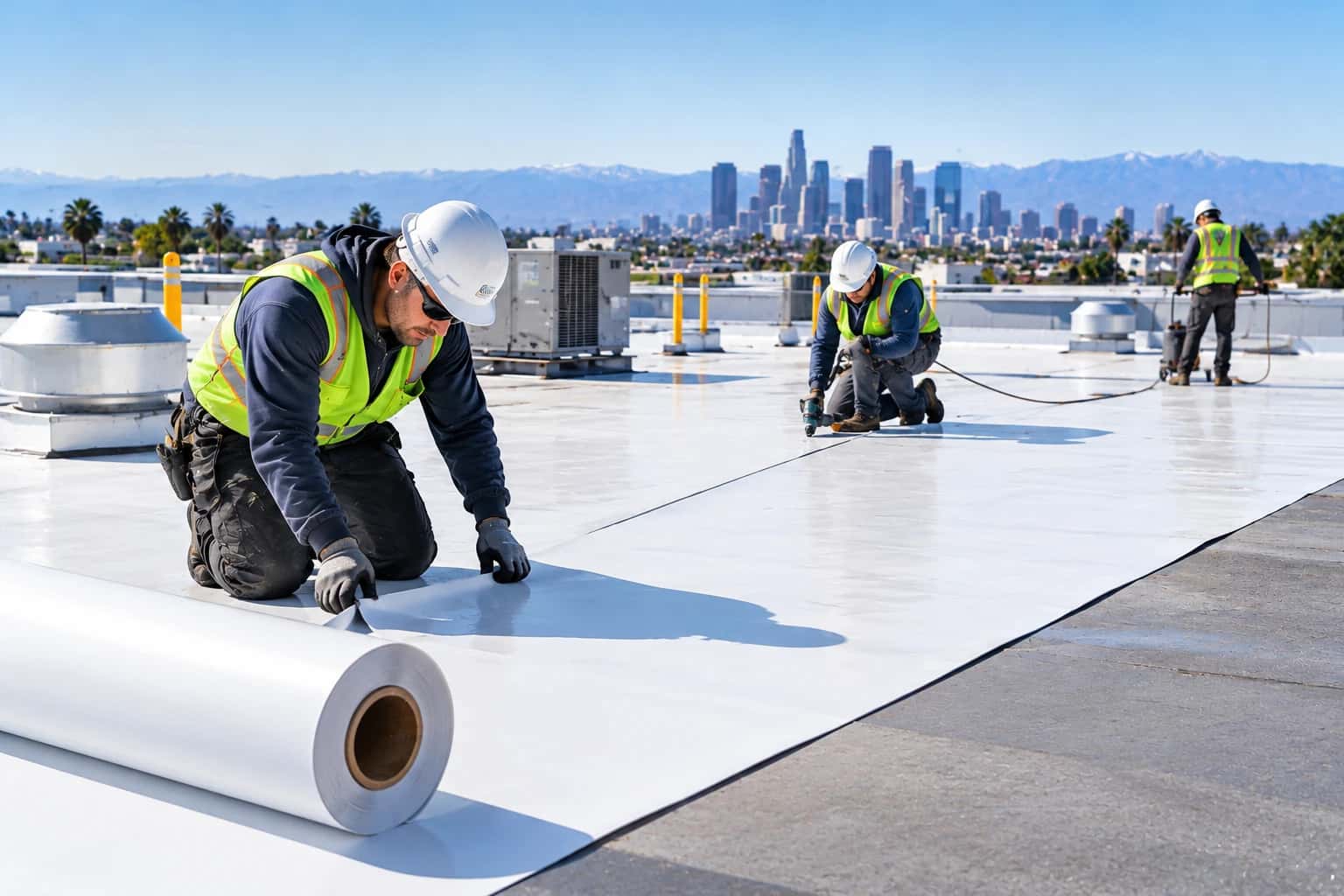
TPO (thermoplastic polyolefin) is a white single-ply membrane laid in wide rolls and joined with hot air, so the seams fuse into one continuous surface. In Southern California the appeal is the sun: a white membrane reflects much of its energy instead of absorbing it, which can keep the roof surface cooler.
How we work
How we install a TPO roof
Recommended only when it fits.
A roofer surveys and photographs the roof section by section and checks the deck, insulation, drainage and what sits on the roof now. TPO is recommended when it suits the building, and we tell you plainly when another system would serve it better.
- Slope, drains and scuppers
- Rooftop units, curbs and penetrations
- Parapets and wall flashing
- Deck and insulation where they can be seen
Title 24, checked in your scope.
California’s Title 24 energy code includes cool roof requirements for many low-slope commercial roofs, and a reflective membrane is one way to meet them. The exact requirement depends on the building and the product, so the written scope covers it, along with the membrane, how it’s attached, any insulation or cover board, the flashings, phasing, schedule and price.
Opened and dried in the same day.
Where the scope calls for it, the old roofing comes off section by section, the deck is repaired as needed and the surface prepared, so each section is dried in the day it’s opened and your building stays open. We photograph it before the membrane goes on.
Welded seams, detailed edges.
The membrane is attached as specified and every seam is welded with hot air. Walls, curbs, penetrations and drains are flashed and detailed, because that’s where most flat roof leaks begin. Closeout photos and our 10-year workmanship warranty (call for details) finish the job; the membrane carries the manufacturer’s warranty, which depends on the product.
Where leaks start
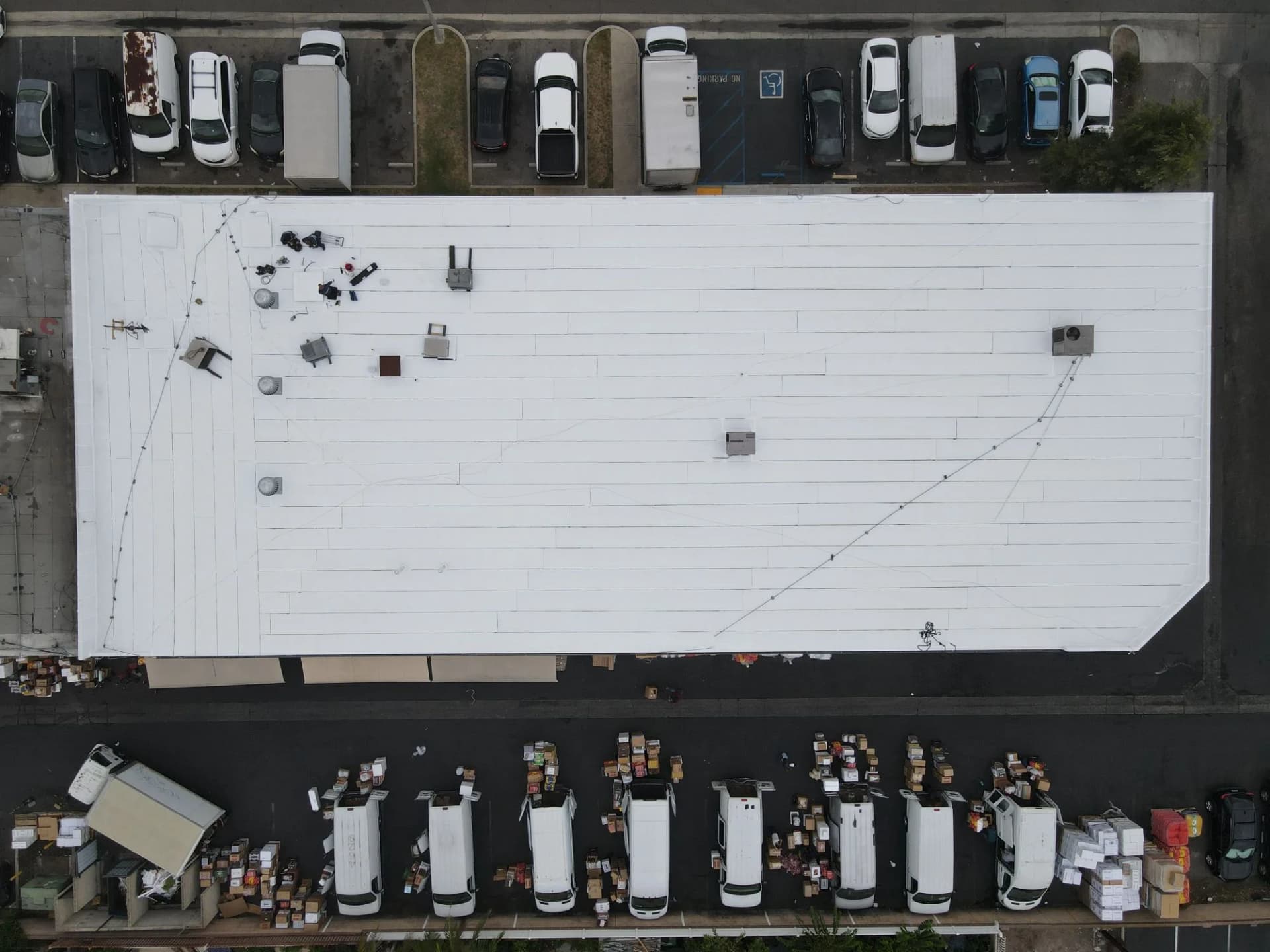
Where commercial roofs leak
Most leaks begin at details, not in the middle of an intact membrane. Condensate from an air conditioner or a plumbing leak can look the same, so a roofer checks those too.
Client stories
In their own words
Reviews from the people we roof for, on Google.
Quality roofing specialist exceeded my expectations from start to finish. The crew showed up on time, explained everything clearly, and the quality of the work was outstanding. They were professional, honest, and left the property spotless when the job was done. It’s hard to find reliable contractor in LA, but these guys definitely earned my trust. I highly recommend them to anyone looking for quality roofing work. Five stars all the way!
Samuel Mcilwee2 months ago · GoogleTony was very responsive when I called. The entire process was faster than I expected. With his continuous supervision the whole project went so smoothly and professionally, the place was cleaned up completely.
I have a beautiful roof now :)Liron Yosef3 weeks ago · GoogleWe trusted Tony for a full roof replacement. They showed up early each day, worked efficiently, and kept us updated. I appreciated the patience in answering our concerns about materials and warranty. The new roof looks sharp and already makes the home feel more energy-efficient.
Angel4 months ago · GoogleWe had an awesome experience with the crew of Quality Roofing. I called around to get quotes for a roof replacement and they gave me much better quote than the other roofing companies. Definitely within the budget and did a perfect job. No mess, they cleaned everything at the end
Emilee Crowley3 months ago · GoogleTony went above and beyond my expectations!! He was available immediately to inspect the roof and gave a great deal. He definitely worked with our budget. I highly recommend Quality Roofing for any roof repair you may need:)
Cynthia Pina5 months ago · Google
I was looking to replace my shingles roof in Encino and contacted a few roofing companies in the neighborhood. Out of four roofers, Quality Roofing Specialist was the only one that worked with my budget as well as my schedule. Their work was fantastic, and we love the outcome. They exceeded my expectations. I will definitely recommend to friends.
Jose Linareza month ago · GoogleI was recommended this roofing company by a friend, and I’m really glad I went with them. I had a problem with water leaking into my attic from the flashing around the chimney, and the team was very helpful from the start. Tony was the roofer working with me, and he was always professional and friendly. He took care of resealing the flashing and chimney, which made the leak much better right away. He kept in touch with me after the work, and now we’re working on sealing the chimney even more to make sure everything is perfect. I feel confident that the team will get everything fixed up right. Based on my experience so far, I’d definitely give them five stars. Thanks to everyone there for their hard work!
Kelsey Breadmont4 months ago · GoogleWe had a great experience with Quality Roofing Specialist. Tony, the project manager, was awesome to work with. He kept us updated, answered all our questions, and made sure everything went smoothly. The crew did a great job, and the final result looks amazing. I would definitely recommend Tony and the whole team
Stella Ink LAa month ago · GoogleWe recently had our roof replaced by Quality Roofing Specialists, and the entire experience was excellent. The crew arrived on time every day, kept the property clean, and finished the project exactly as promised. The quality of the workmanship is outstanding, and the new roof looks amazing. If you’re looking for a reliable roofing contractor, I highly recommend this company.
Noam Nahori2 months ago · Google
Frequently Asked Questions
Straight answers about tpo roofing.
What is TPO roofing?
TPO is a single-ply roofing membrane made of thermoplastic polyolefin. It is usually white, comes in wide rolls and is joined at the seams with hot air. It is widely used on flat and low-slope commercial roofs.
Is TPO a good choice for Southern California?
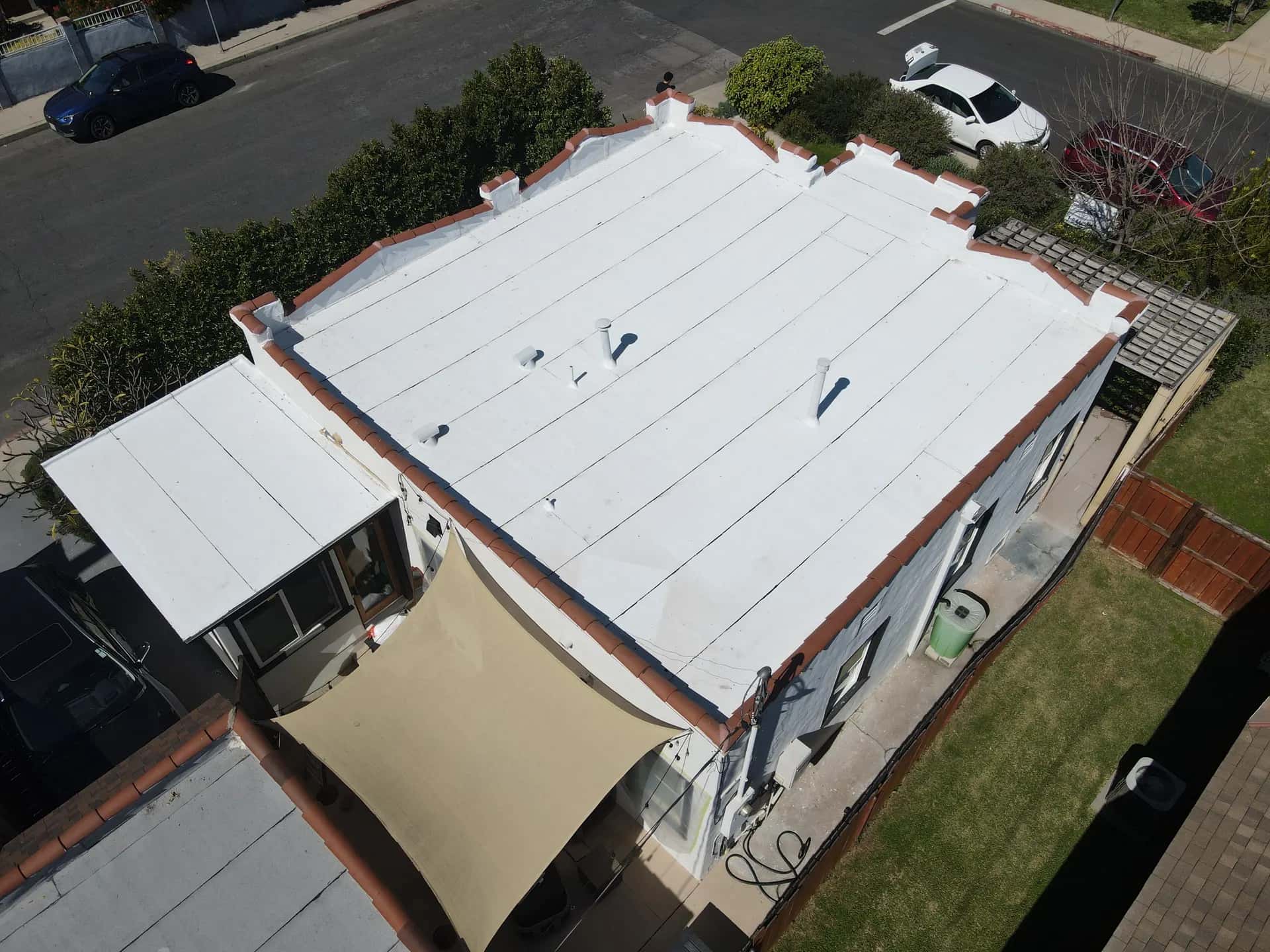
It often is, because a white membrane reflects sunlight and can keep the roof surface cooler, and California’s Title 24 energy code has cool roof requirements for many low-slope commercial roofs. Whether it fits your building depends on the roof, so a roofer should survey it first.
How long does a TPO roof last?
We won’t promise a number of years. How long a TPO roof lasts depends on the membrane, the installation, the details at walls and penetrations, and how the roof is maintained. We focus on the part we control: the installation, backed by our 10-year workmanship warranty (call for details).
How is TPO different from modified bitumen?
TPO is a single-ply membrane with welded seams. Modified bitumen is a layered, asphalt-based system. The right choice depends on your roof, so we compare them with you from the survey.
Can TPO go over my existing roof?
Sometimes, if the existing roof is dry and sound and the code allows it. Often a tear-off is the better route, so you start from a clean, solid deck. The survey tells us which applies to your building.
Do you repair TPO roofs?
Yes. A leak on a TPO roof usually traces to a seam, a flashing or a penetration. See our commercial roof repair page for how we find and fix the source.
Start here
Tell us what you need.
Two minutes. A clear next step. No pressure.
Prefer to answer a few questions instead? Use the step-by-step form
Get a Straight Answer on tpo roofing
Tell us about the building. A roofer, not a salesperson, walks the roof and gives you a clear next step on tpo roofing, with a written scope and price.
- CSLB licensed, bonded & insured
- 10-year workmanship warranty (call for details)
- Google customer reviews
