

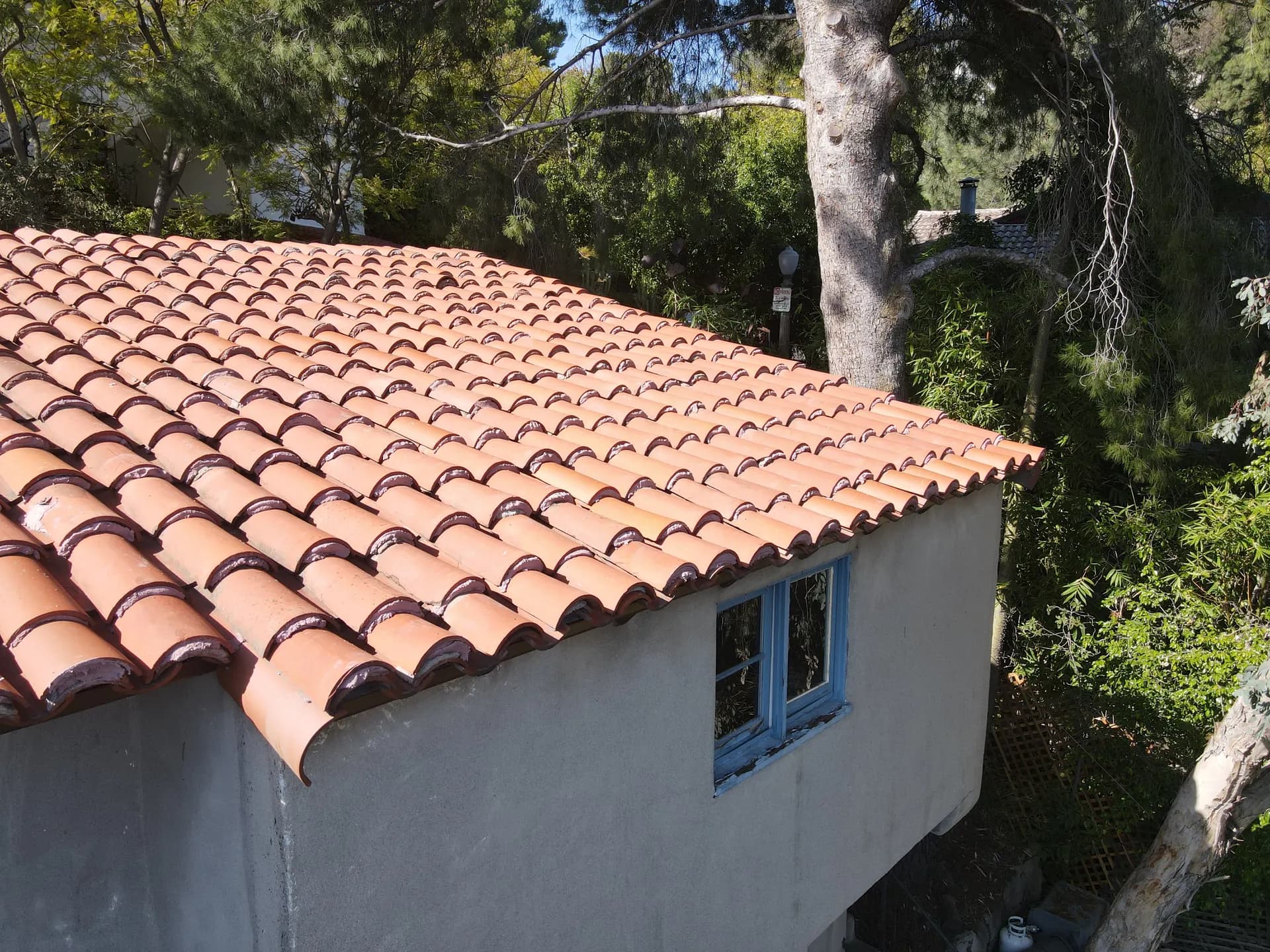
Tile Roofing in Los Angeles & Orange County — Keep the tile roof you love, and keep it dry.
- Free roof evaluation
- Written price before any work
- 10-year workmanship warranty (call for details)
- CSLB #1061942
A Tile Roof Is More Than Its Tiles
Tile roofing from QRS covers repairs, tune-ups, inspections, roof care, lift & relay and replacement for clay, concrete and slate tile roofs. Tile is part of the look of Southern California, from the clay barrel tile on Spanish Revival homes in Pasadena and Glendale to the concrete tile on newer Mediterranean-style homes in Irvine. The tiles themselves are tough. What actually keeps water out is the underlayment beneath them, helped by the flashings and valleys that steer water off the roof. Heat, Santa Ana winds and the occasional earthquake work on those layers for years, and they usually wear out well before the tile does. That’s why every tile job we do starts with what’s happening under the tile.
The right service depends on where your roof is in its life. A few cracked or slipped tiles call for a targeted tile roof repair. Worn underlayment beneath tiles that are still sound is the job for a tile lift & relay, which keeps your home’s original look. If you are comparing materials, explore concrete tile roofing and slate tile roofing. When the tiles themselves are failing, a tile roof replacement starts fresh. A free roof evaluation helps identify what your roof needs.
Find the Right Tile Roof Service
From a single cracked tile to a complete new roof, every service starts with a roofer looking at the whole roof, not just the spot you called about.
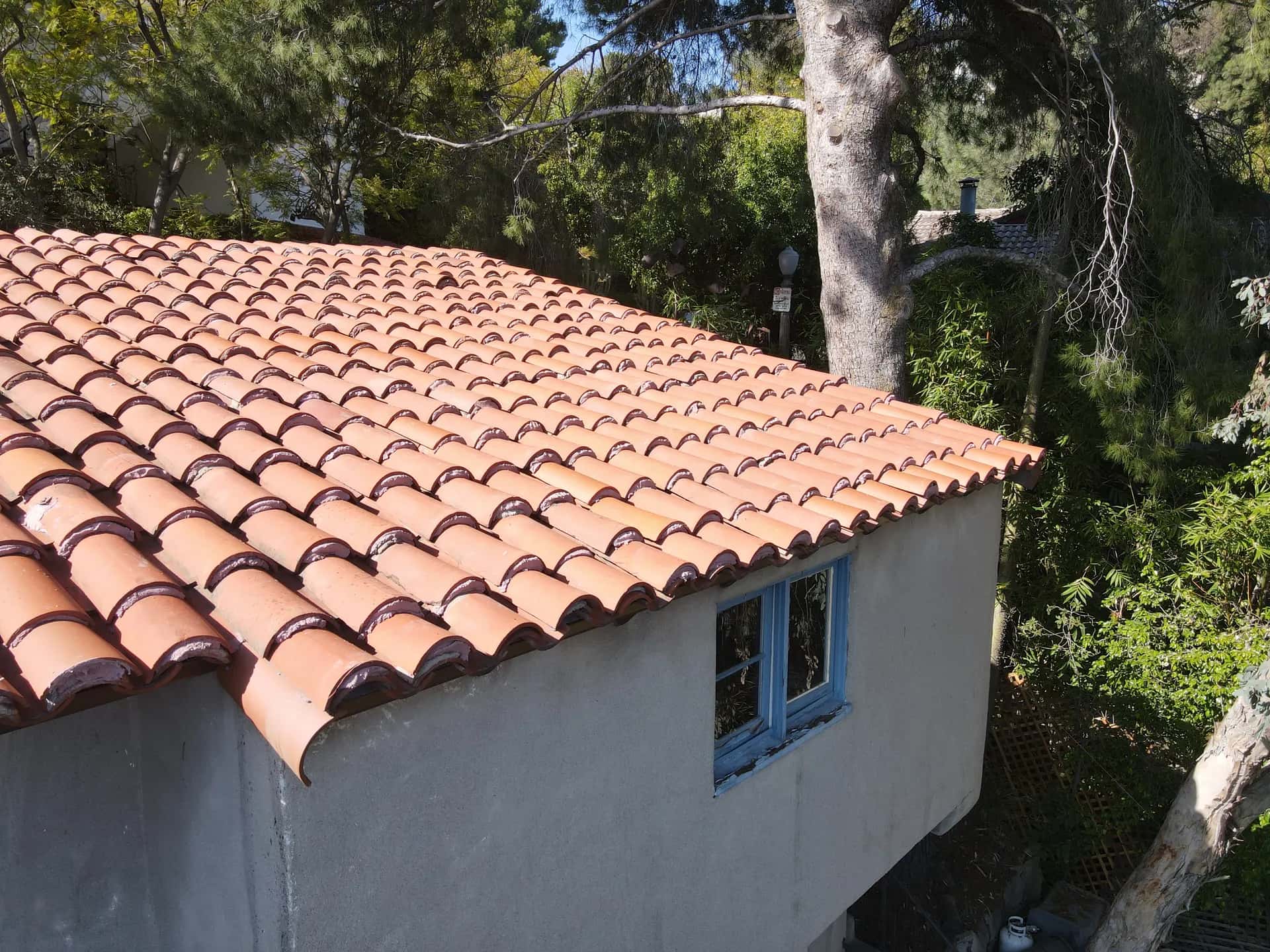
Tile Roof Replacement
When the old tiles are past saving, we tear off to the deck and build a complete new tile system, from underlayment and flashings to ridge.
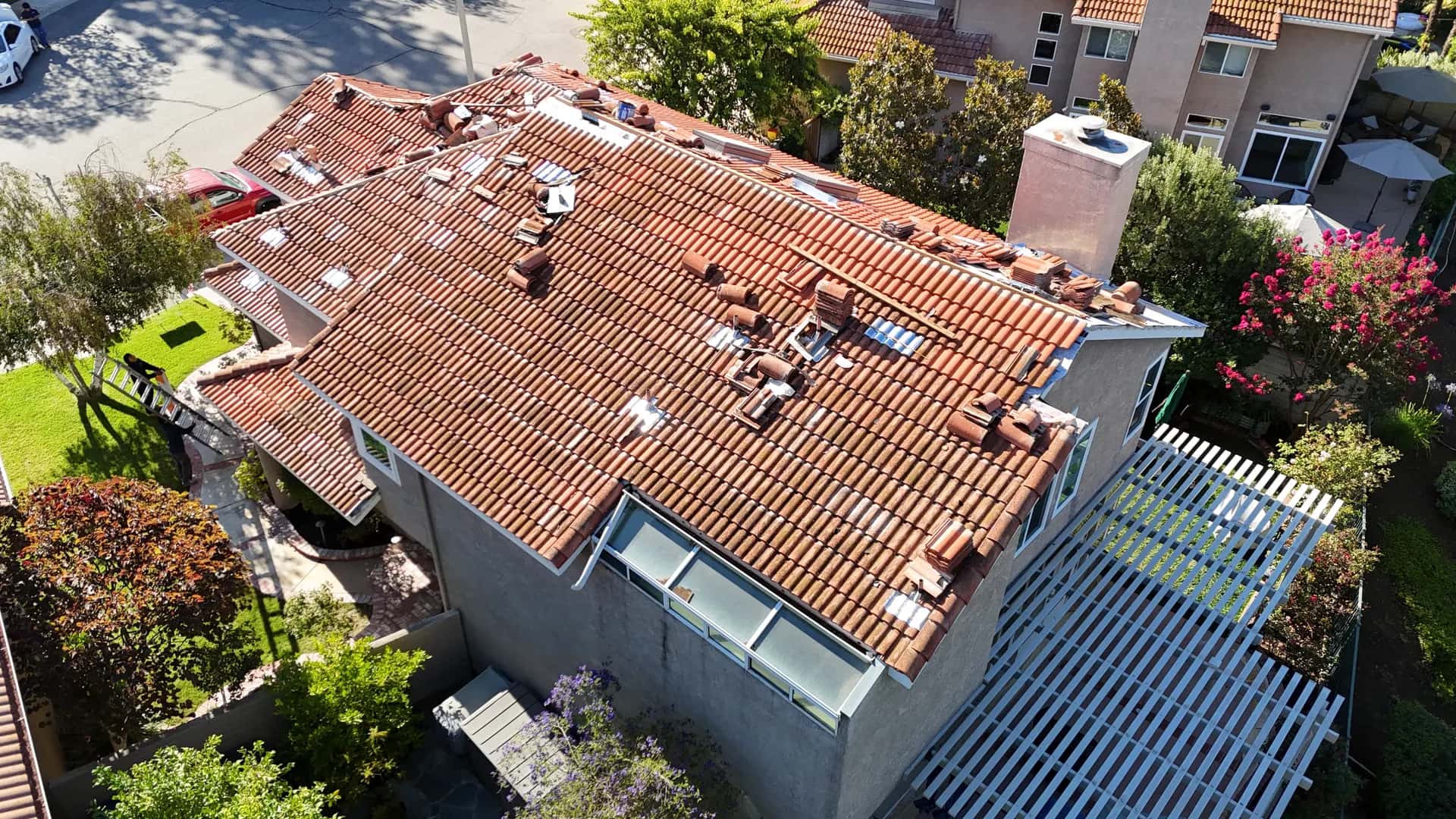
Tile Roof Repair
Cracked or slipped tiles, loose ridges, failed flashings and clogged valleys, traced to their source and fixed with photos of the work.
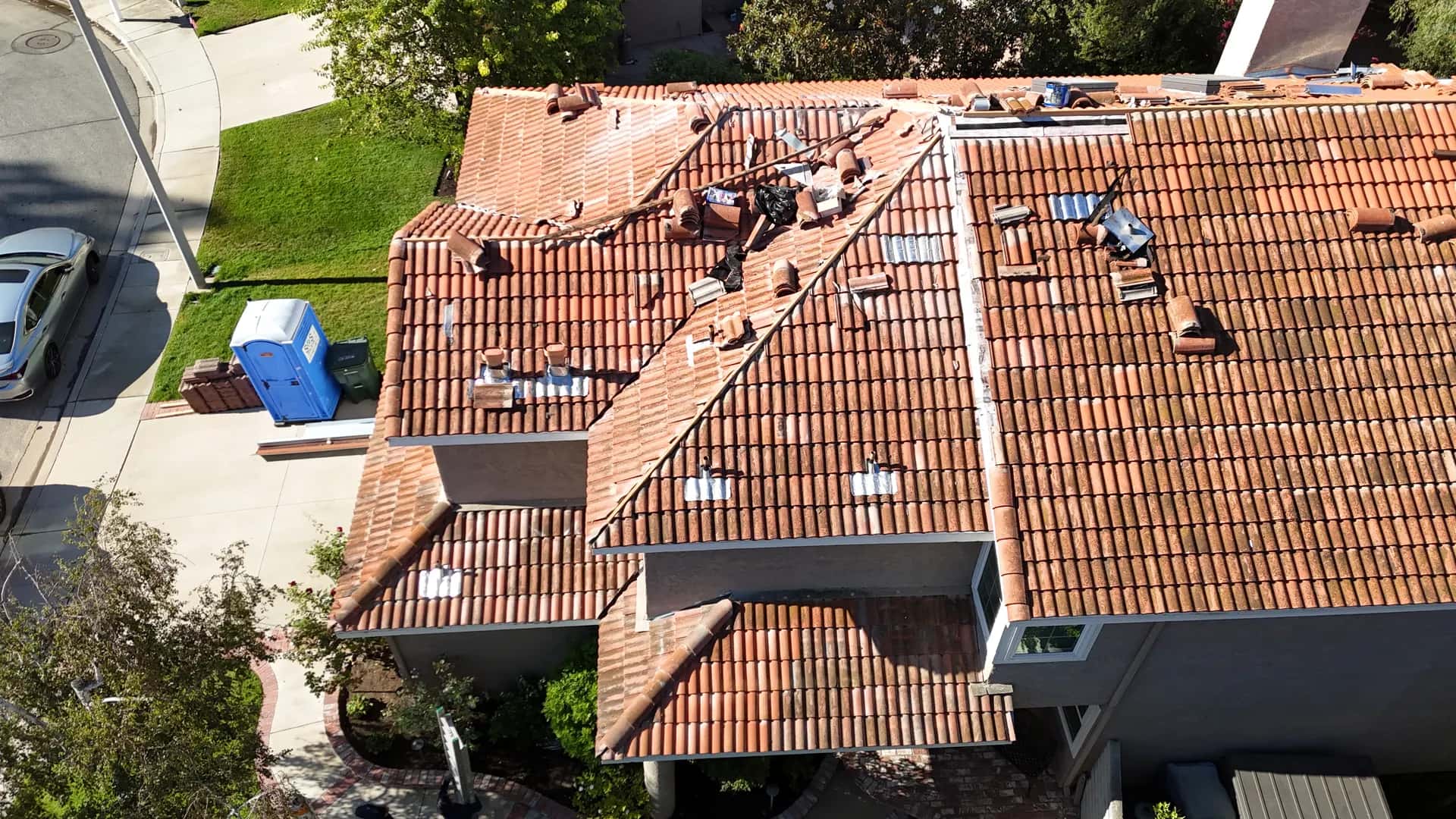
Tile Lift & Relay · SecondLife®
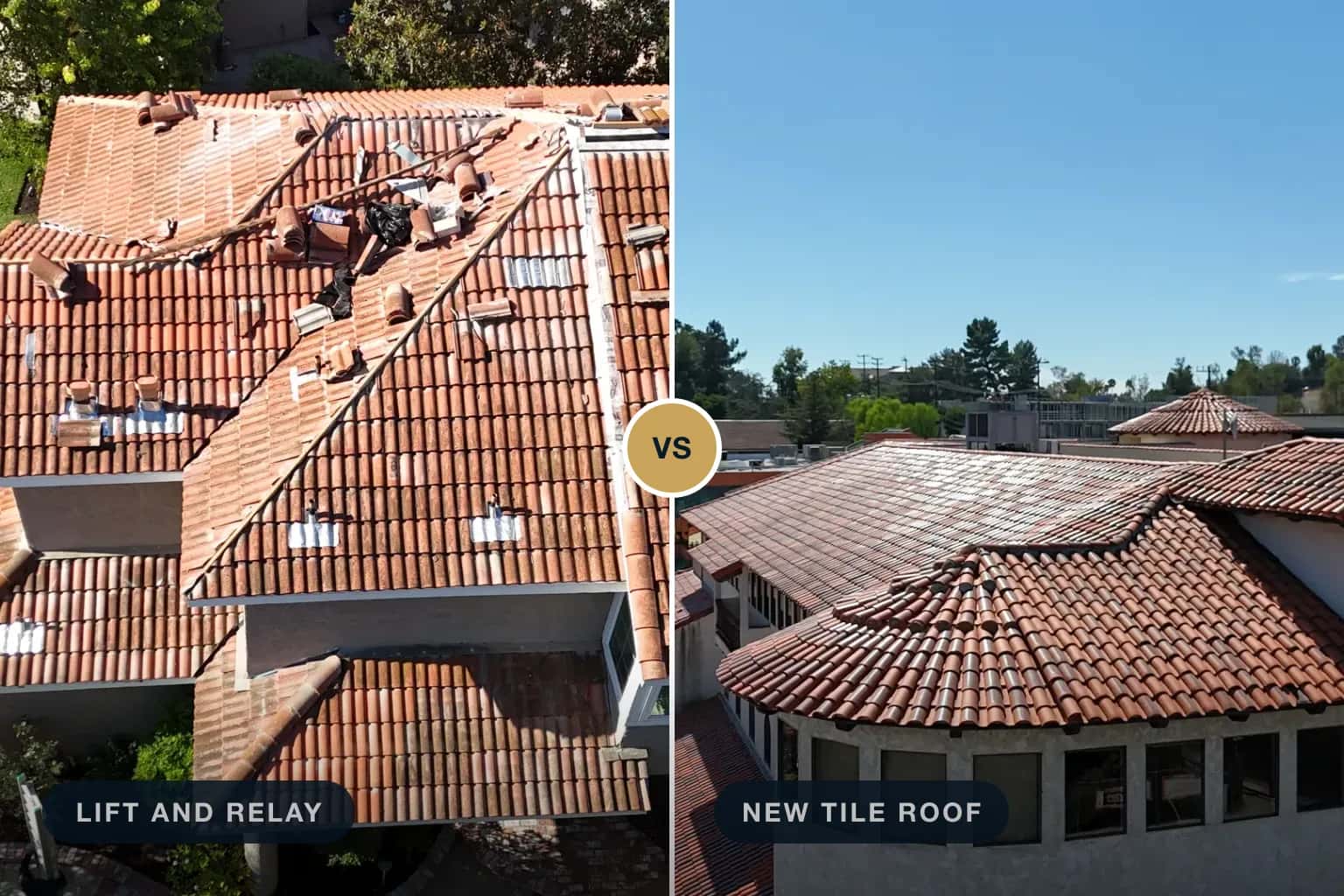
Keep the tile roof you love. We lift the tiles, replace the worn underlayment underneath and reset your roof in its original pattern.
Slate Tile Roofing
A distinctive natural-stone roof option, planned around your home’s structure, roof details and the slate profile you want.
Concrete Tile Roofing
Explore concrete tile profiles and colors, with a roof system planned around the deck, underlayment and flashing.
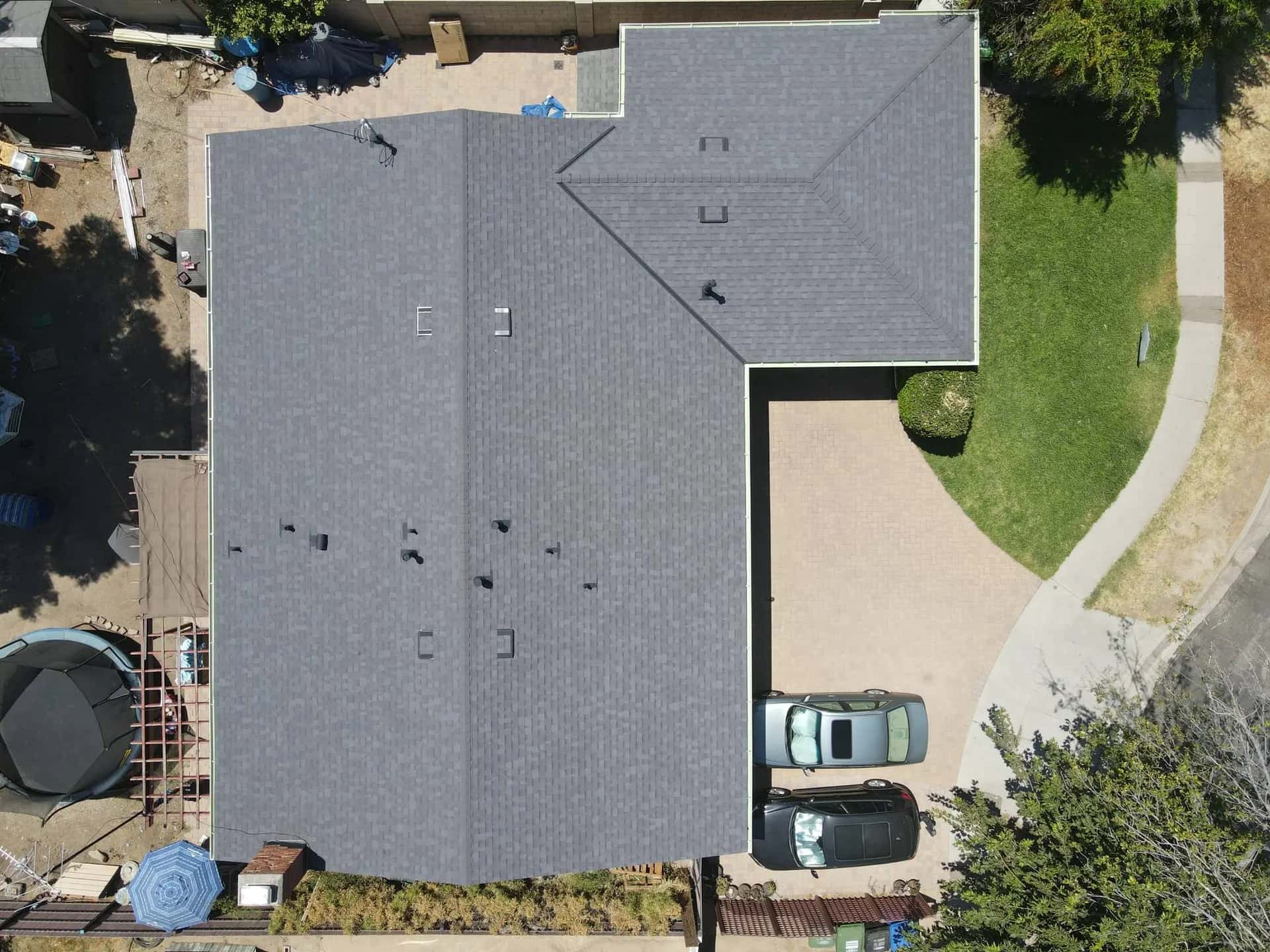
Roof Inspection Services · RoofScan 360®
Our free, roofer-led roof evaluation for shingle, tile and flat roofs: every finding photographed and explained, with one clear next step.
Where leaks start
Why tile roofs leak when the tiles look fine
Tile is designed to shed water, but wind-driven rain and water moving beneath the tiles can still reach the details below. The underlayment, flashing and drainage have to work together.
Recent tile roof projects
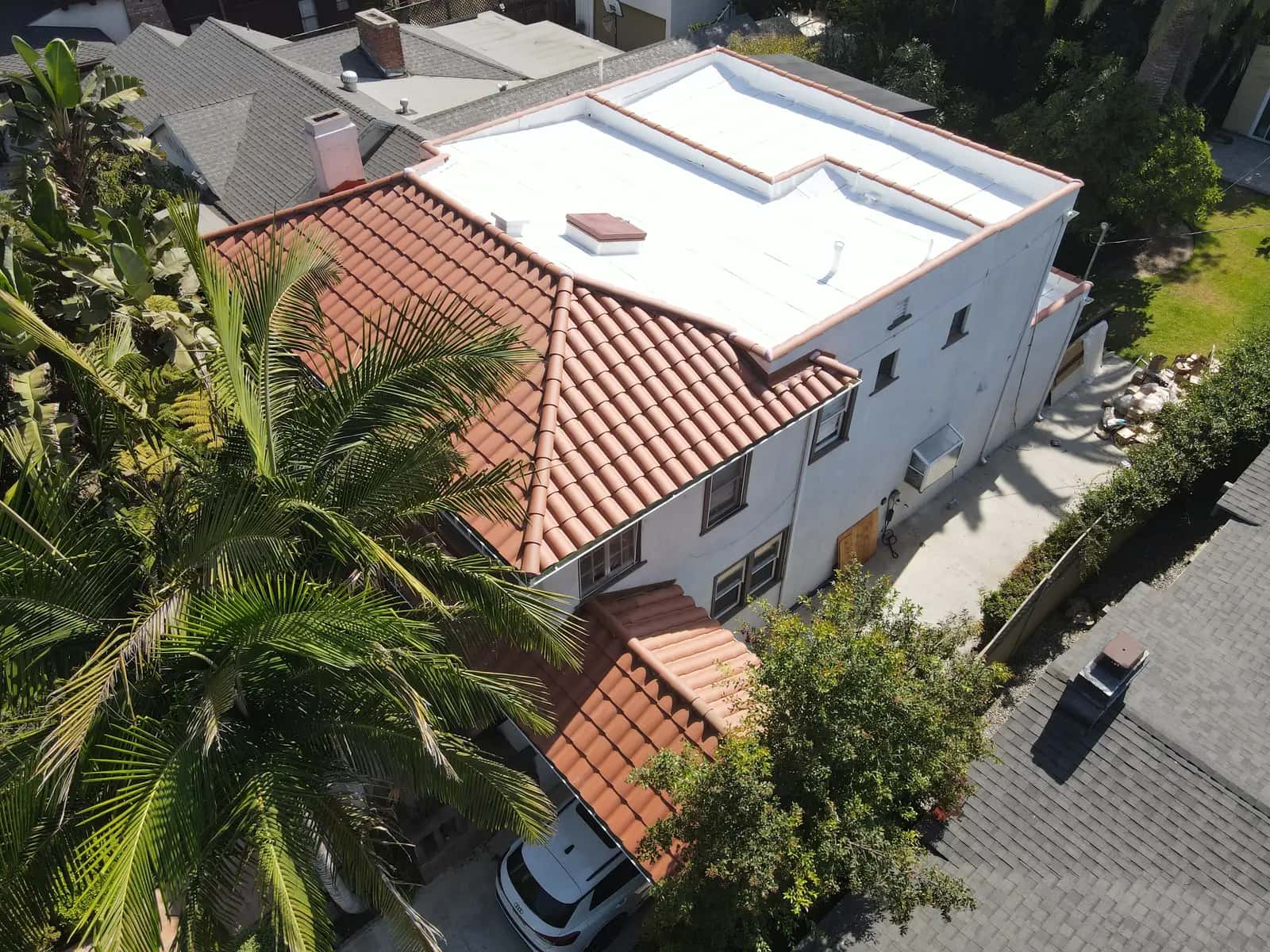
Mid-Wilshire, Los Angeles 90019
Tile & Flat Roofing at a Multi-Family Building
A multi-family building in Mid-Wilshire with new clay tile on its pitched roof and a reflective flat roof system over the rooftop terrace.
What people say after the job
269 reviews from the people we roof for, on Google.
Kelsey Breadmont
Read it on Google · 4 months ago“I was recommended this roofing company by a friend, and I’m really glad I went with them. I had a problem with water leaking into my attic from the flashing around the chimney, and the team was very helpful from the start. Tony was the roofer working with me, and he was always professional and friendly. He took care of resealing the flashing and chimney, which made the leak much better right away. He kept in touch with me after the work, and now we’re working on sealing the chimney even more to make sure everything is perfect. I feel confident that the team will get everything fixed up right. Based on my experience so far, I’d definitely give them five stars. Thanks to everyone there for their hard work!”
Samuel Mcilwee
Read it on Google · 2 months ago“Quality roofing specialist exceeded my expectations from start to finish. The crew showed up on time, explained everything clearly, and the quality of the work was outstanding. They were professional, honest, and left the property spotless when the job was done. It’s hard to find reliable contractor in LA, but these guys definitely earned my trust. I highly recommend them to anyone looking for quality roofing work. Five stars all the way!”
Jose Linarez
Read it on Google · a month ago“I was looking to replace my shingles roof in Encino and contacted a few roofing companies in the neighborhood. Out of four roofers, Quality Roofing Specialist was the only one that worked with my budget as well as my schedule. Their work was fantastic, and we love the outcome. They exceeded my expectations. I will definitely recommend to friends.”
What you can count on, on every job
- Free roof evaluation
- Written scope and price before any work
- 10-year workmanship warranty, call for details
- Licensed, bonded & insured
- Permits pulled
- Clean site and a nail sweep every day
Frequently Asked Questions
Straight answers about tile roofing.
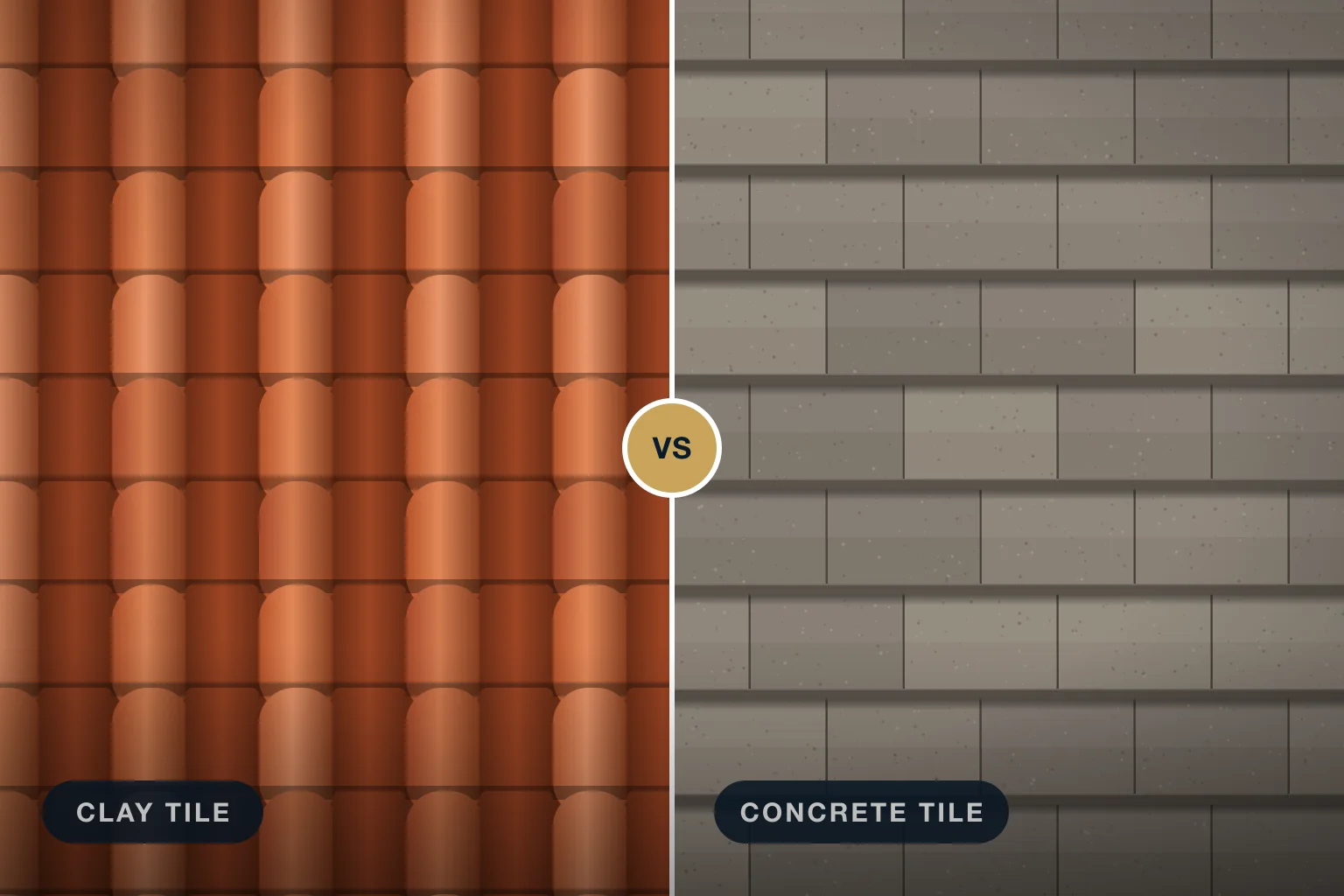
What’s the difference between clay and concrete tile?
Clay tile is fired in a kiln, tends to hold its color and is the traditional choice for barrel and S profiles. Concrete tile is made from cement and sand, comes in flat and S profiles and can fade or turn porous as its surface weathers. Both crack under careless footsteps, and each needs its own approach when replacement tiles have to be matched.
How long does a tile roof last?
The tiles and the layers under them age on different clocks. Well-kept clay and concrete tile can go for decades, while the underlayment beneath is usually what gives out first, especially after years of Southern California heat. When an older tile roof starts leaking, that hidden layer is the usual suspect. Our guide to when tile roof underlayment should be replaced covers the warning signs.
Is it safe to walk on a tile roof?
We’d advise against it. Tiles crack when weight lands on an unsupported spot, and the damage often can’t be seen from the ground. If someone needs roof access for other work, ask how they plan to protect the tile before they climb up.
My Spanish-style home has flat roof sections too. Can you handle both?
Yes. Many Spanish Revival homes pair tile with flat areas behind parapet walls, and the transitions between them need as much attention as either roof. We look at both during the roof evaluation, and our flat roofing work covers the low-slope side.
Show 1 more question
Do you work on tile roofs in my area?
We serve homeowners throughout Los Angeles County and Orange County, from Santa Monica and Burbank to Long Beach and Newport Beach. See our service locations, or book a free roof evaluation and we’ll confirm your address is covered.
Tell us what you need.
Two minutes. A clear next step. No pressure.
Prefer to answer a few questions instead? Use the step-by-step form
