

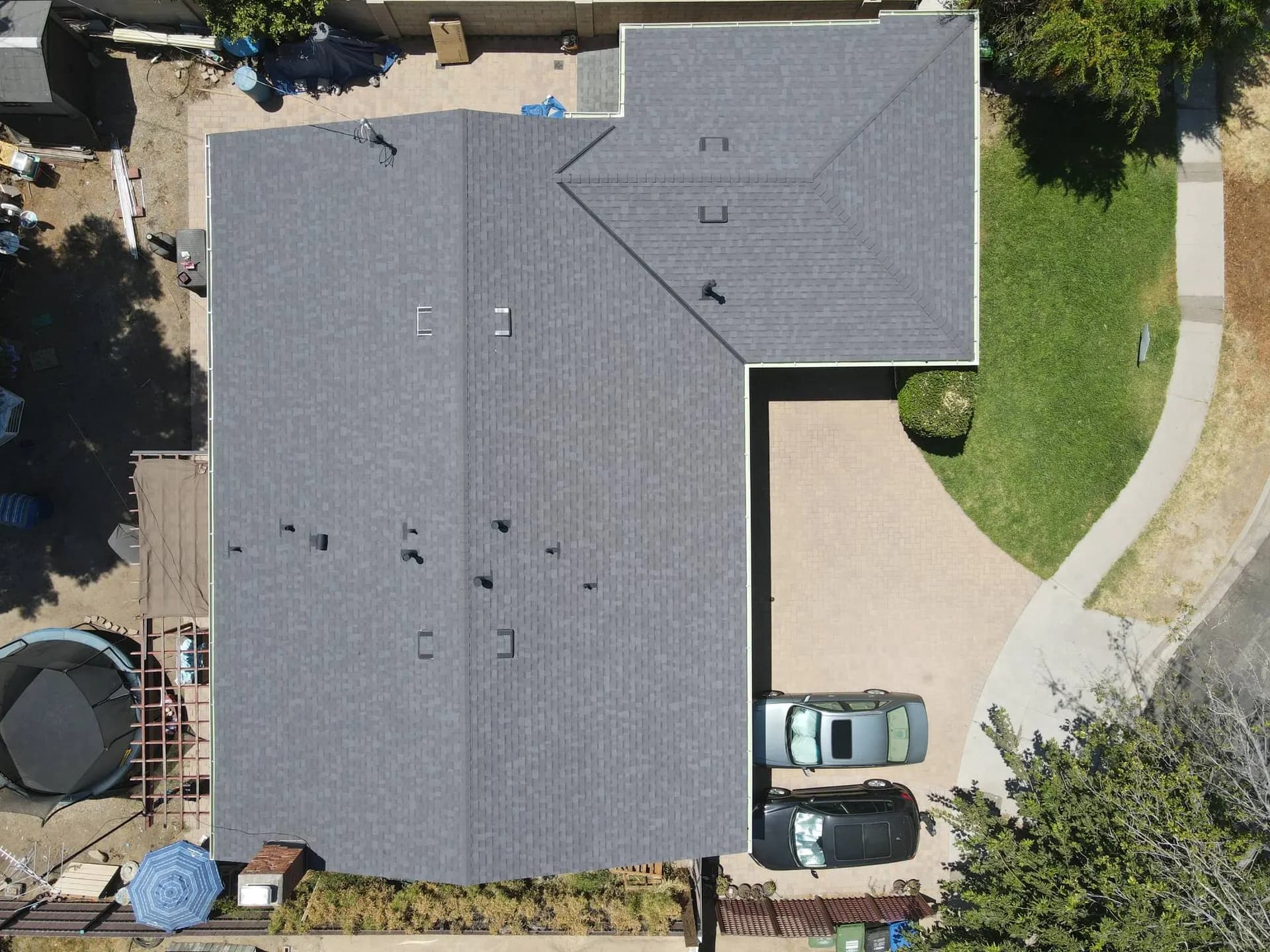
Roof Inspection in Los Angeles & Orange County — Know your roof’s real condition and your next step.
- Free roof evaluation
- Written price before any work
- 10-year workmanship warranty (call for details)
- CSLB #1061942
Overview
A roof inspection from QRS is a free, roofer-led roof evaluation for homes across Los Angeles and Orange County. Every roof type has its own weak points, so the roofer adapts the inspection to what’s on your house; the sections below show what we check on shingle, tile and flat roofs. Every roof also gets a close look at the flashings where it meets walls, chimneys, skylights and vents, and at the edges and any gutters that carry water away. We photograph each finding, which lets you judge the roof’s condition with your own eyes.
It’s worth booking one when you’re buying or selling a home, after a storm, strong Santa Ana winds or a noticeable earthquake, when an older roof leaves you unsure of its condition, or before choosing between a roof repair and a roof replacement. The visit ends with one recommendation: repair, monitor, maintain or replace. Sometimes the honest answer is that your roof is fine for now, and we’ll say so. There’s no deposit, you pay after the visit, and you’re under no obligation to hire us for any work.
Where leaks start
Where a home’s roof leaks
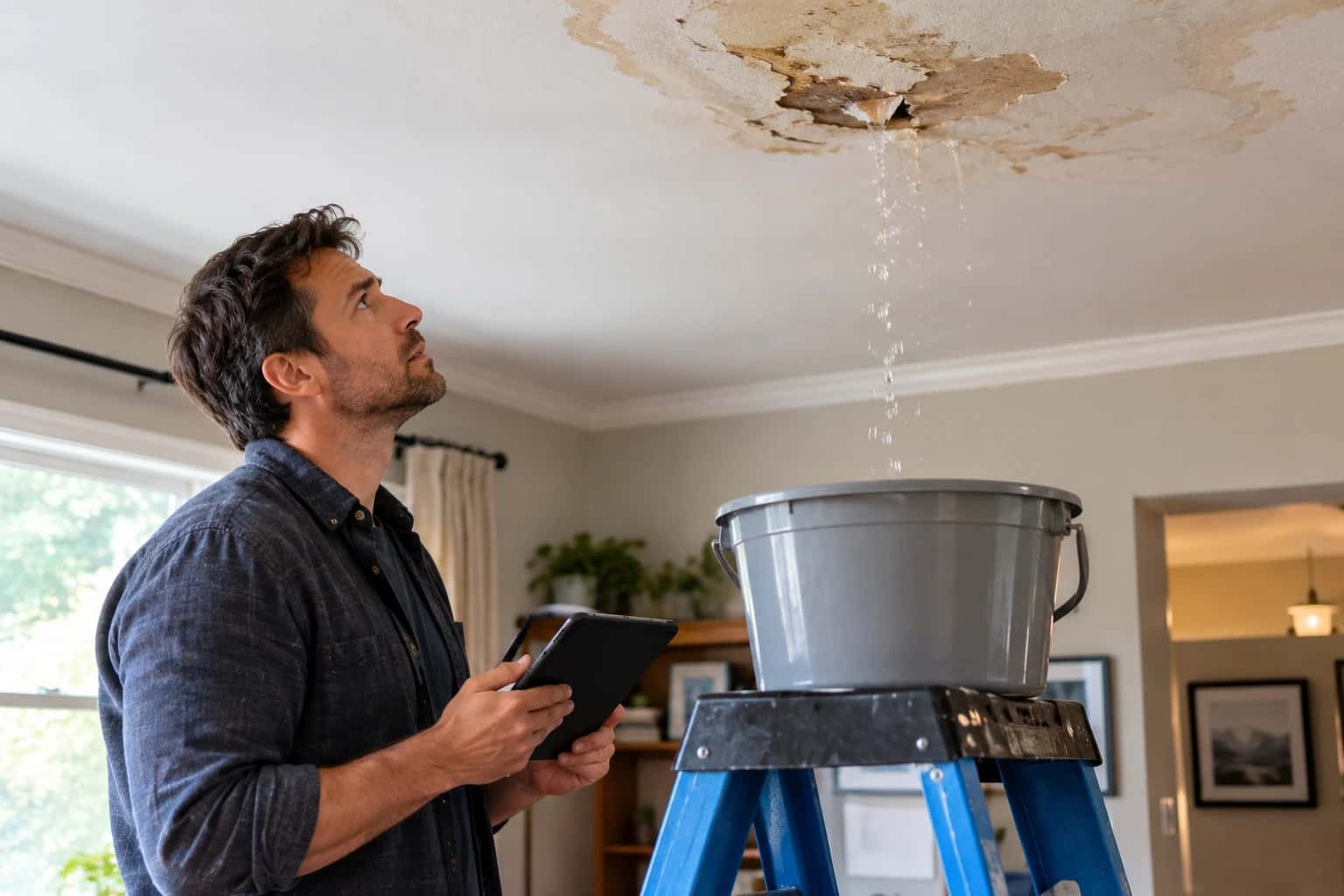
Water rarely comes in where the ceiling stain shows. It starts at a detail like these, then runs along the underlayment or a rafter before it drips.
What we check on each roof type
Shingle Roof Inspection
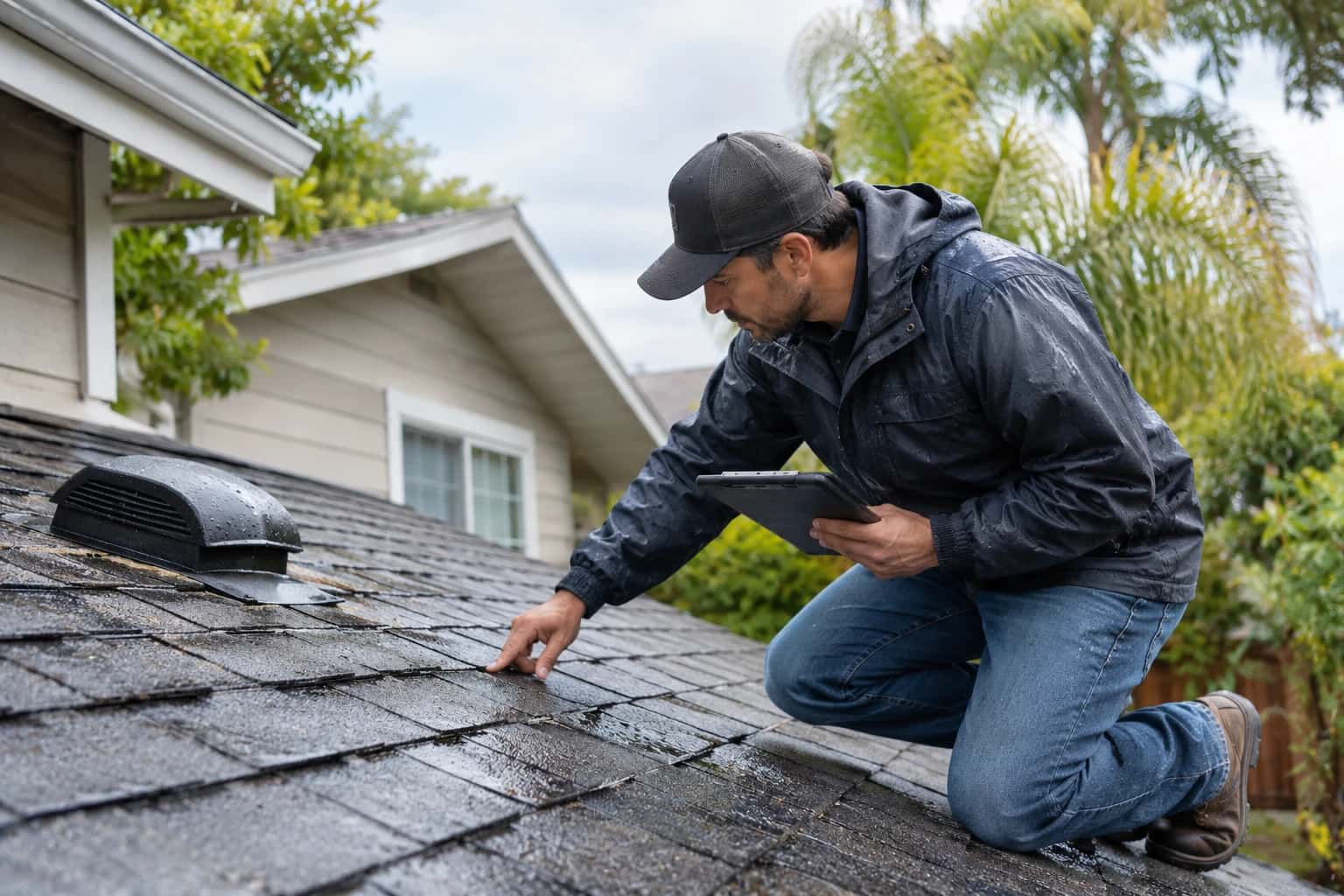
- Shingle wearGranule loss, blisters, curling and brittle tabs, especially on the sunniest slopes.
- Lifted and missing tabsLifted, creased or missing tabs, broken seal strips and nail pops.
- Pipe boots, vents and flashingsStep and counter flashing, vent collars and pipe boots, where shingle roofs most often leak.
- Valleys and edgesValleys, hip and ridge caps and the drip edge.
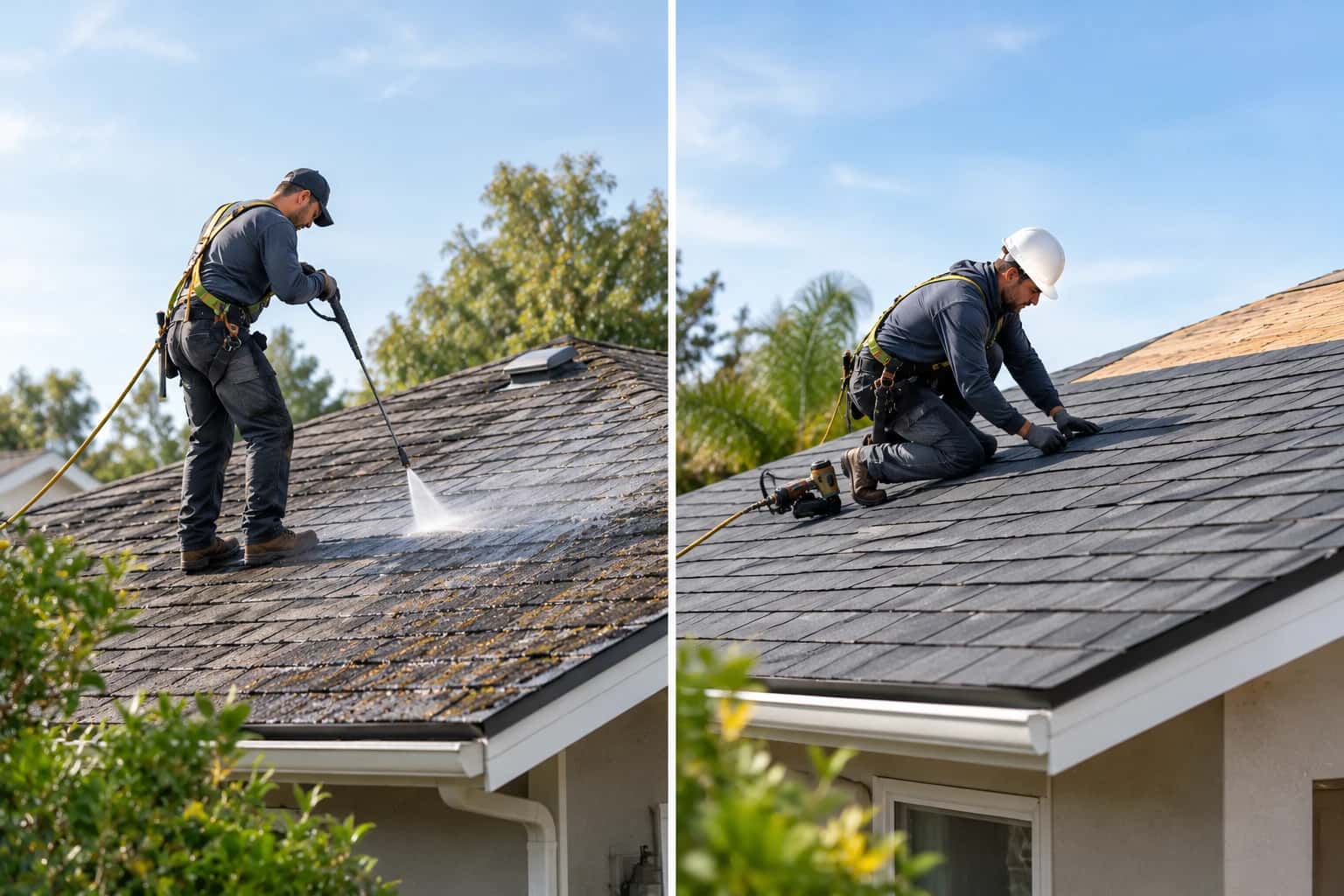
If a few shingles or a flashing need work, a targeted shingle roof repair is usually the answer. If a shingle roof replacement is the honest call, you’ll see the photos behind that advice.
Tile Roof Inspection
- TilesCracks, slips and gaps, including loose ridge and hip tiles.
- Ridge mortar and bird stopsCrumbling mortar, missing bird stops and open eave closures.
- Valleys, flashings and ventsValley metal, wall and chimney flashings and vent penetrations.
- Visible underlaymentThe underlayment wherever it can be seen, plus stains and leak history.
A tile roof can look sound from the street even when its underlayment is near the end. If the evidence points that way, a tile lift & relay is usually the fix, and smaller problems are a tile roof repair.
Flat Roof Inspection
- Membrane and seamsBlisters, splits and worn areas, and the seams and laps across the whole surface.
- PondingPonding marks and low spots where water sits after rain.
- Parapets and flashingsParapet walls and caps, wall flashings, HVAC curbs, vents and skylights.
- DrainsDrains, scuppers and downspouts, checked to make sure they’re clear.
If you’ve noticed a ceiling stain, point it out, because it helps us trace water back to its source. When work is needed, you’ll know whether a flat roof repair will do or it’s time to plan a flat roof replacement.
Our Process
What happens during a roof inspection
Tell us what you’ve noticed
A stain, a slipped tile, missing shingles, a recent storm or a home sale: knowing why you called helps the roofer focus on the right areas first.
A roofer checks the whole roof
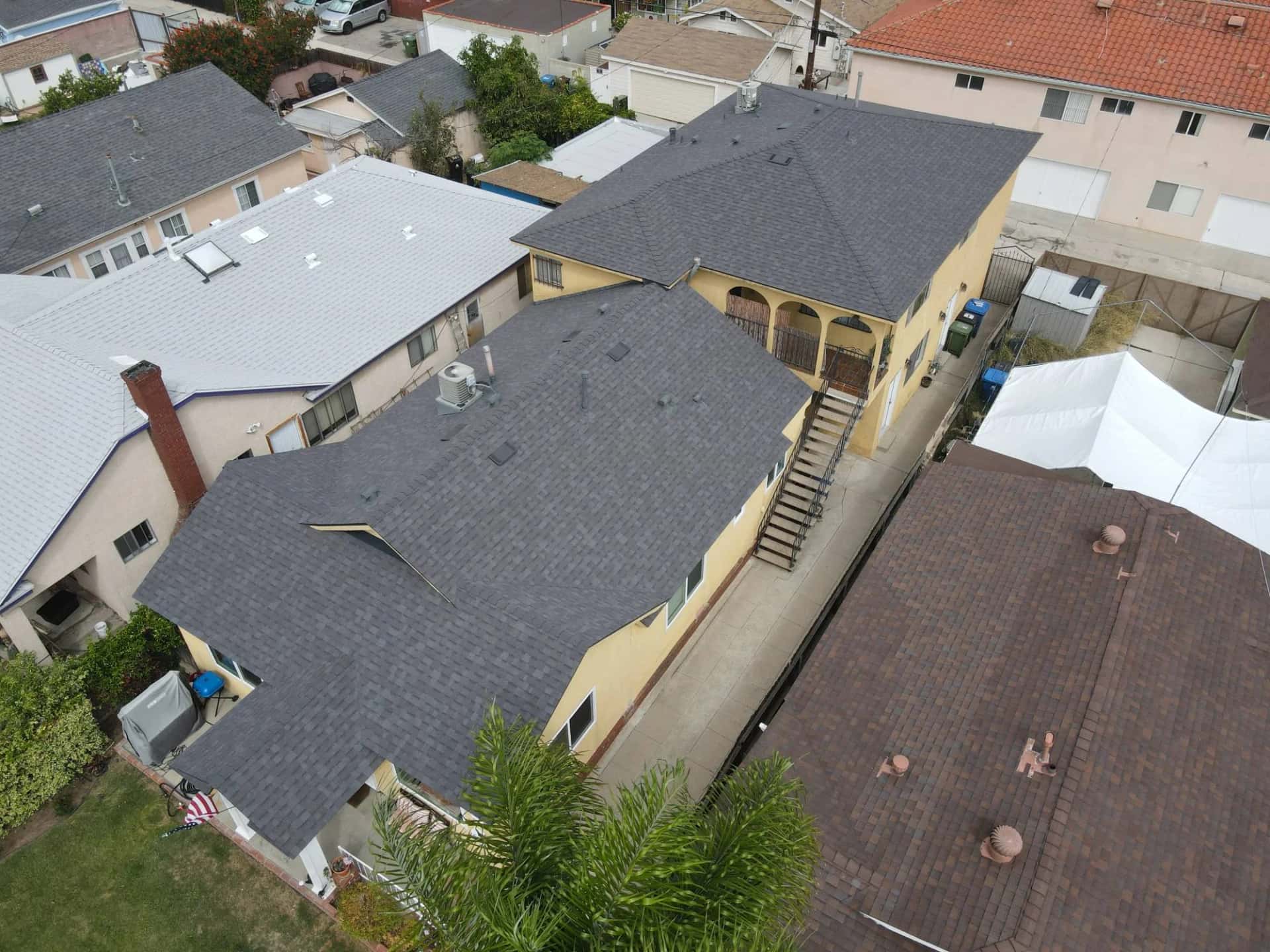
The roofer looks at the roof covering, flashings, penetrations, edges and gutters, with drone footage from our RoofScan 360® evaluation. On tile, we step only where tiles are supported, so the inspection doesn’t leave new cracks behind.
Photos explained in plain English
We go through the photos with you and sort normal wear from real problems and from things that can safely wait.
One clear next step
Repair, monitor, maintain or replace. If you want us to do the work, a written scope and price follow.

Recent roofing projects
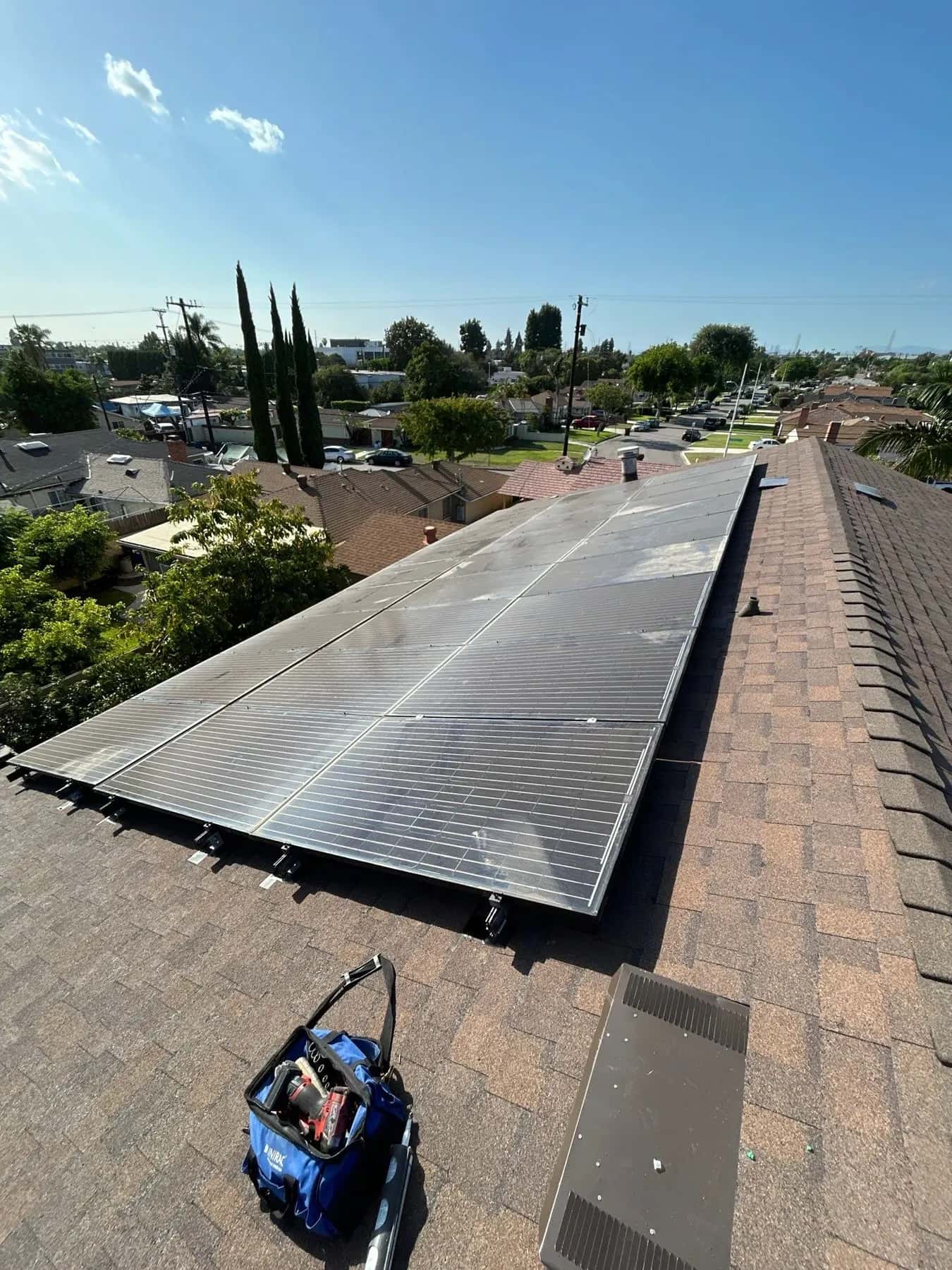
Pico Rivera 90660
Roof Replacement Under Solar Panels
Roof replacement under solar panels in Pico Rivera 90660: the array measured and stored, the deck made solid, flashed mounts and new shingles.
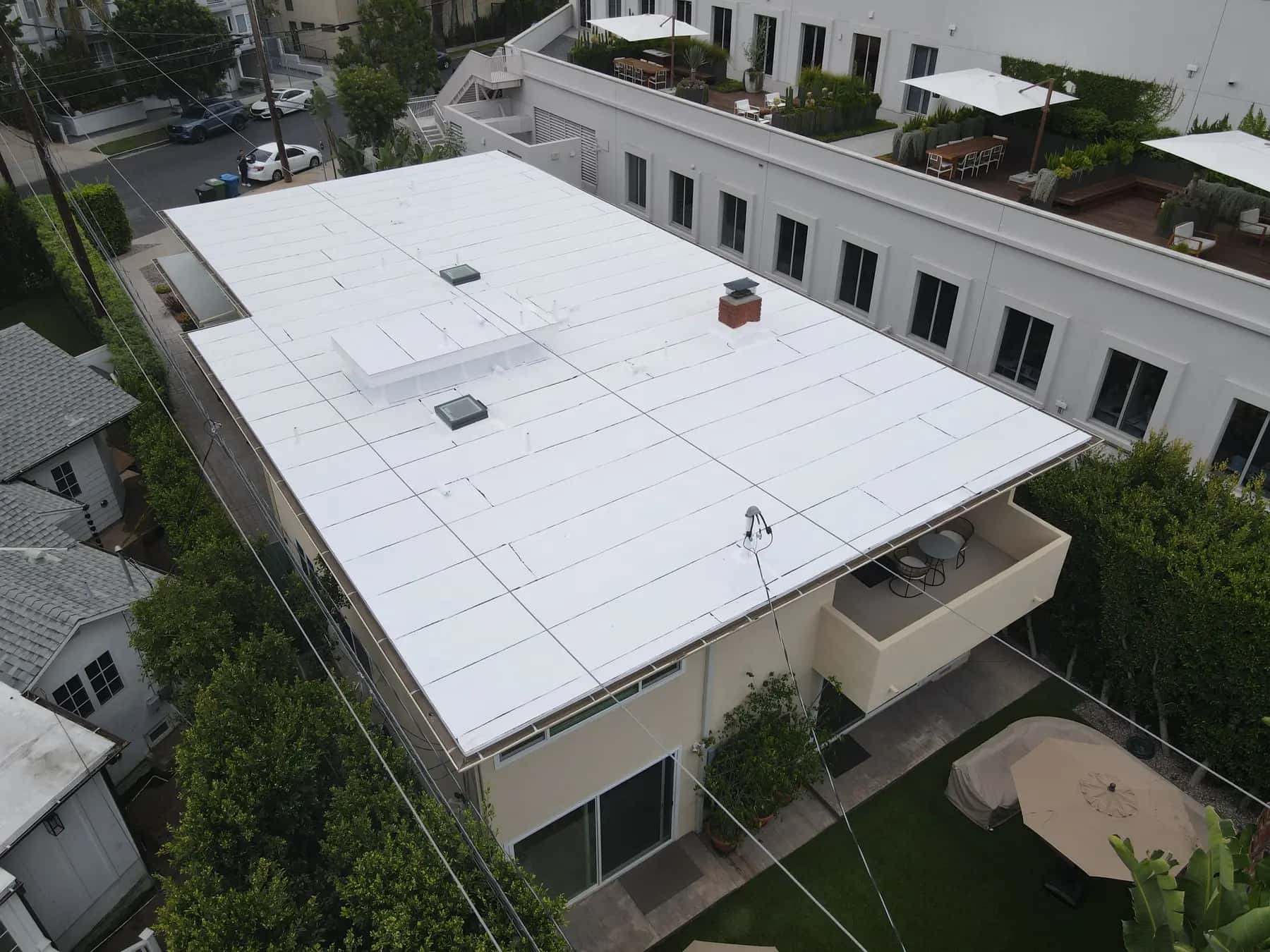
Brentwood, Los Angeles 90049
White Flat Roof
White flat roof in Los Angeles 90049: a bright, reflective flat roof on a mid-century home, with every skylight, vent and the chimney detailed.
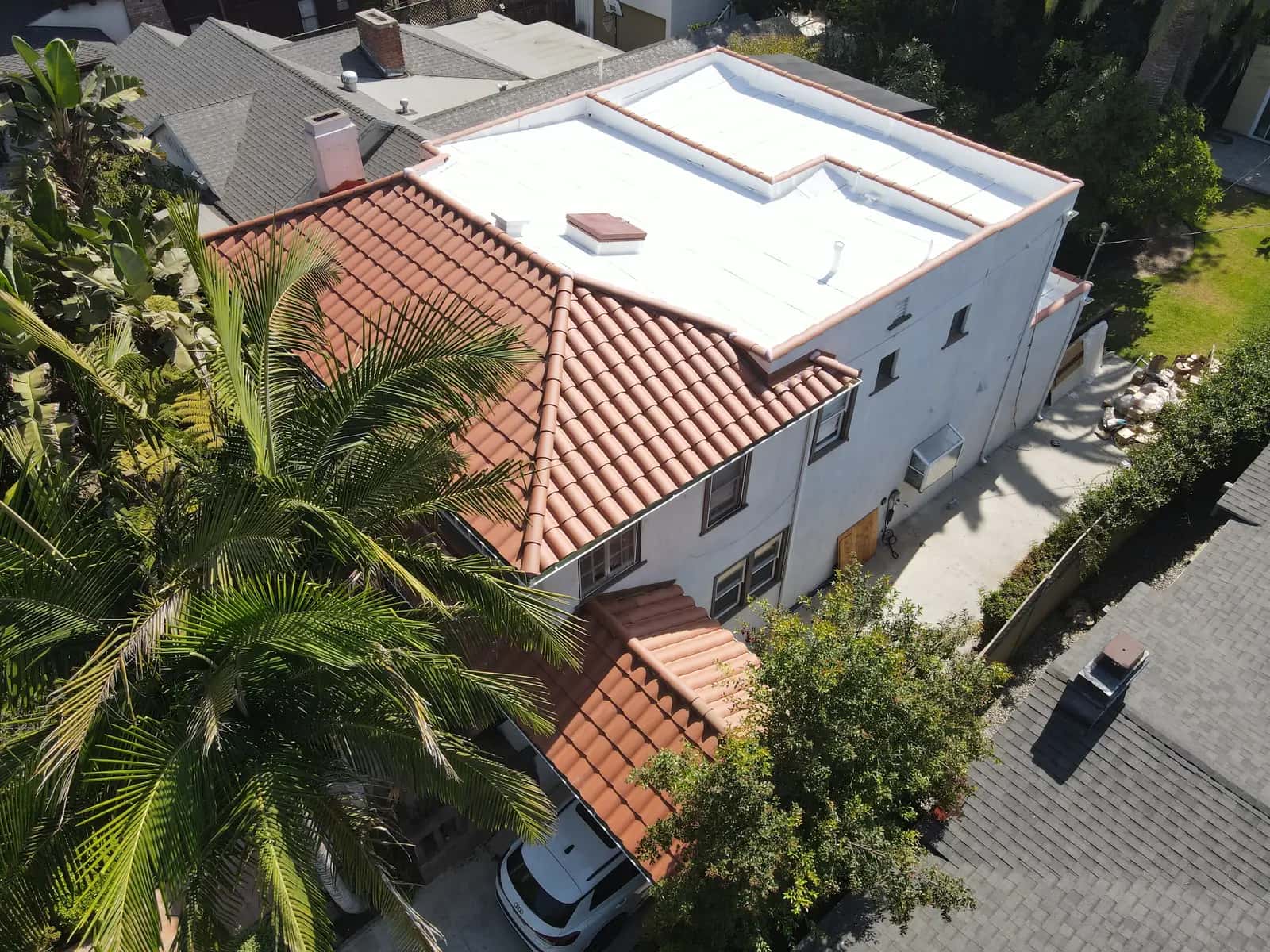
Mid-Wilshire, Los Angeles 90019
Tile & Flat Roofing at a Multi-Family Building
A multi-family building in Mid-Wilshire with new clay tile on its pitched roof and a reflective flat roof system over the rooftop terrace.
What people say after the job
269 reviews from the people we roof for, on Google.
Cynthia Pina
Read it on Google · 5 months ago“Tony went above and beyond my expectations!! He was available immediately to inspect the roof and gave a great deal. He definitely worked with our budget. I highly recommend Quality Roofing for any roof repair you may need:)”
Kelsey Breadmont
Read it on Google · 4 months ago“I was recommended this roofing company by a friend, and I’m really glad I went with them. I had a problem with water leaking into my attic from the flashing around the chimney, and the team was very helpful from the start. Tony was the roofer working with me, and he was always professional and friendly. He took care of resealing the flashing and chimney, which made the leak much better right away. He kept in touch with me after the work, and now we’re working on sealing the chimney even more to make sure everything is perfect. I feel confident that the team will get everything fixed up right. Based on my experience so far, I’d definitely give them five stars. Thanks to everyone there for their hard work!”
Samuel Mcilwee
Read it on Google · 2 months ago“Quality roofing specialist exceeded my expectations from start to finish. The crew showed up on time, explained everything clearly, and the quality of the work was outstanding. They were professional, honest, and left the property spotless when the job was done. It’s hard to find reliable contractor in LA, but these guys definitely earned my trust. I highly recommend them to anyone looking for quality roofing work. Five stars all the way!”
What you can count on, on every job
- Free roof evaluation
- Written scope and price before any work
- 10-year workmanship warranty, call for details
- Licensed, bonded & insured
- Permits pulled
- Clean site and a nail sweep every day
Frequently Asked Questions
Straight answers about roof inspection.
Is the roof inspection really free?
Yes. For homes, our roofer-led roof evaluation is free, with no obligation and nothing to pay up front. We use drone footage to see the roof’s condition, explain what we find in plain English and give you a clear next step. The optional $199 Roof Check is a separate tune-up visit, and the $199 is credited toward a repair or replacement if you move forward.
What do I get after the roof evaluation?
Photos of what we found, a plain-English explanation of what they show and one clear recommendation: repair, monitor, maintain or replace. If work is needed, you get a written scope and price before anything starts, with no pressure to decide on the spot.
I’m buying a home. Is a general home inspection enough for the roof?
A general home inspection looks at the whole house, and the roof is one item on a long list. A roofer’s evaluation focuses on the roof alone, with photos of the roofing, flashings and vents. That matters most on tile, which can look sound from the street even when its underlayment is near the end, and on homes with flat sections that are easy to miss from the ground.
Can you tell how much life my roof has left?
We can tell you what condition it’s in and what kind of wear to expect next, but nobody can promise an exact number of years. On tile, most of the underlayment is hidden, so we judge it from the areas we can see, the roof’s history and signs like leaks or stains. The photos help you plan ahead instead of reacting to a leak.
Show 6 more questions
Is a free roof evaluation worth it after a storm if nothing is leaking?
Often, yes. High winds and heavy rain can loosen flashings, shift tiles and break shingle seals without an immediate leak, and a noticeable earthquake can crack ridge mortar and nudge tiles out of place. Those weak spots tend to give way in the next storm. If water is already coming in, our emergency roof repair page explains how we handle it.
Do I have to hire you for the work after the roof evaluation?
No. The roof evaluation is free: you see the photos and decide what’s next, with no pressure either way. If you’d like us to do the work, you’ll get a written scope and price first.
What should I tell you before the roof evaluation?
Anything you’ve noticed: stains, drips, roofing pieces in the yard, past repairs, the roof’s age if you know it, a recent storm or an upcoming sale. That context points the roofer to likely trouble spots, and the rest of the roof still gets checked.
I’m selling my home. Should I have the roof inspected first?
It can help. Knowing the roof’s condition before you list gives you time to handle small repairs on your own schedule, plus photos you can share with buyers. That makes the roof less likely to become a surprise late in the sale.
How is a free roof evaluation different from a maintenance plan?
A roof evaluation is one visit that shows where your roof stands today. A roof maintenance plan is set up after a free roof evaluation, around your roof’s type, age and condition, with visits on the schedule in your plan and a photo report after each one. Anything beyond the plan gets a written price before work.
Do you inspect roofs on commercial buildings?
Yes. Offices, retail centers, warehouses, churches and other commercial buildings get a roofer-led, photo-documented roof survey of the membrane, drains, flashings and equipment curbs. Ongoing care is covered on our commercial inspection & maintenance page.
Tell us what you need.
Two minutes. A clear next step. No pressure.
Prefer to answer a few questions instead? Use the step-by-step form
