

Roof Coating: When It Works, When It Doesn’t, and Is It Worth It for Your Building?
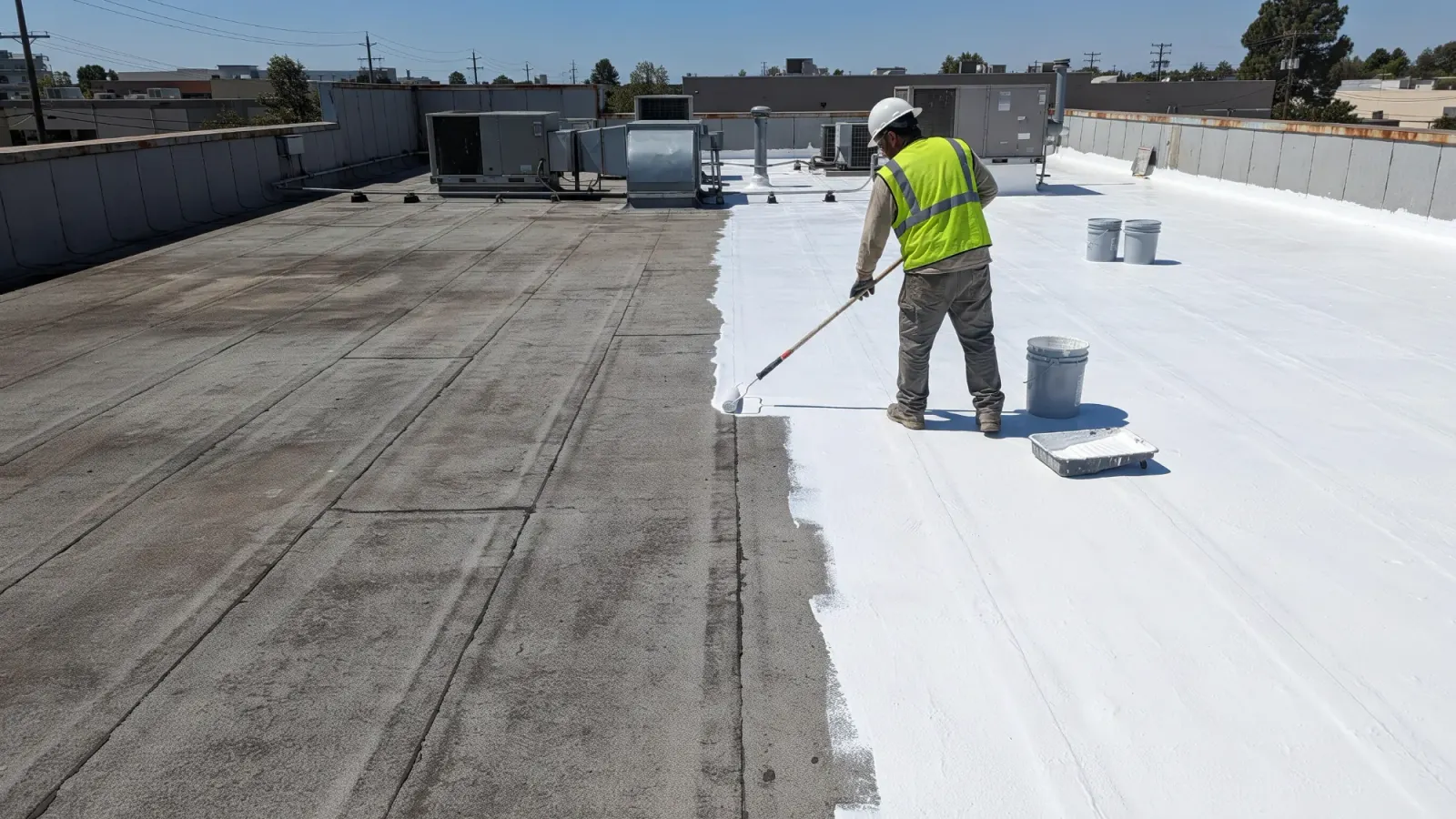
A roof coating is a liquid applied over an existing low-slope roof that cures into a seamless surface layer. Coating salespeople often pitch it as a new roof without the tear-off. Sometimes it is a reasonable step; often it isn’t.
We should say up front: we don’t apply roof coatings. We repair, maintain and replace commercial roofs, so we have no coating to sell you. Here is what a coating can and can’t do, when it makes sense, when it doesn’t, and what to ask before you coat your building.
What a Roof Coating Is, and What It Isn’t
Most roof coatings are acrylic, silicone or polyurethane, rolled or sprayed over the roof that is already there. Done well, on the right roof, a coating renews the top surface, can make a dark roof more reflective, and seals over small surface wear.
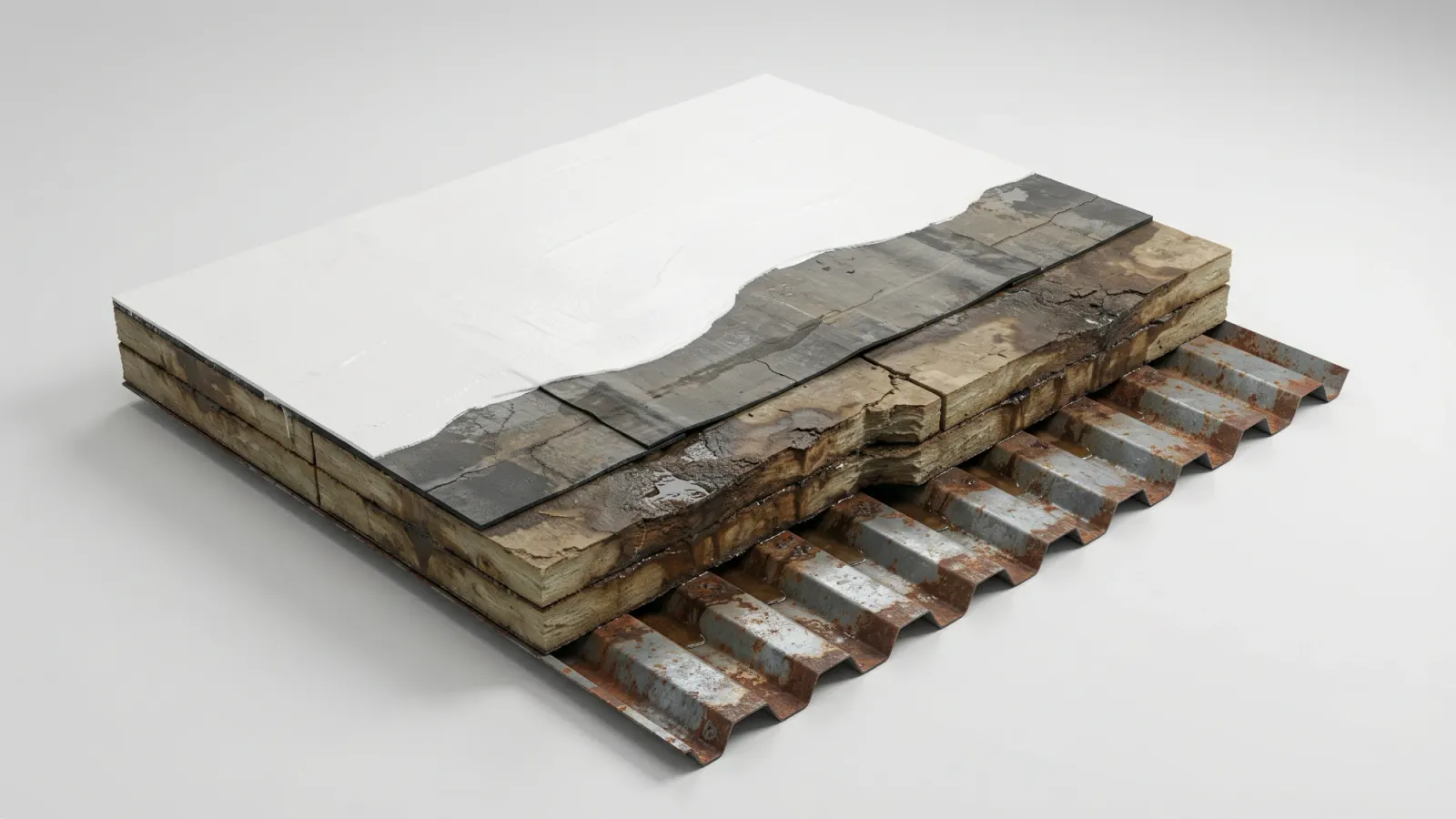
What a coating isn’t is a new roof. It sits on top of everything that is already there: the deck, the insulation, the seams, the flashings and the slope. It doesn’t dry out wet insulation, fix a failed flashing at a curb or a drain, or change where water goes.
When a Roof Coating Can Make Sense
Which of these sounds most like your roof? Tap a card.
Sound, dry, a few years from worn out, with a weathered surface
Is a coating worth considering?
Possibly
Why
A coating renews the surface on a roof that is otherwise doing its job
A dark roof you want to make more reflective, otherwise in good shape
Is a coating worth considering?
Possibly
Why
A light-colored coating can reflect more sun, if the roof underneath is sound
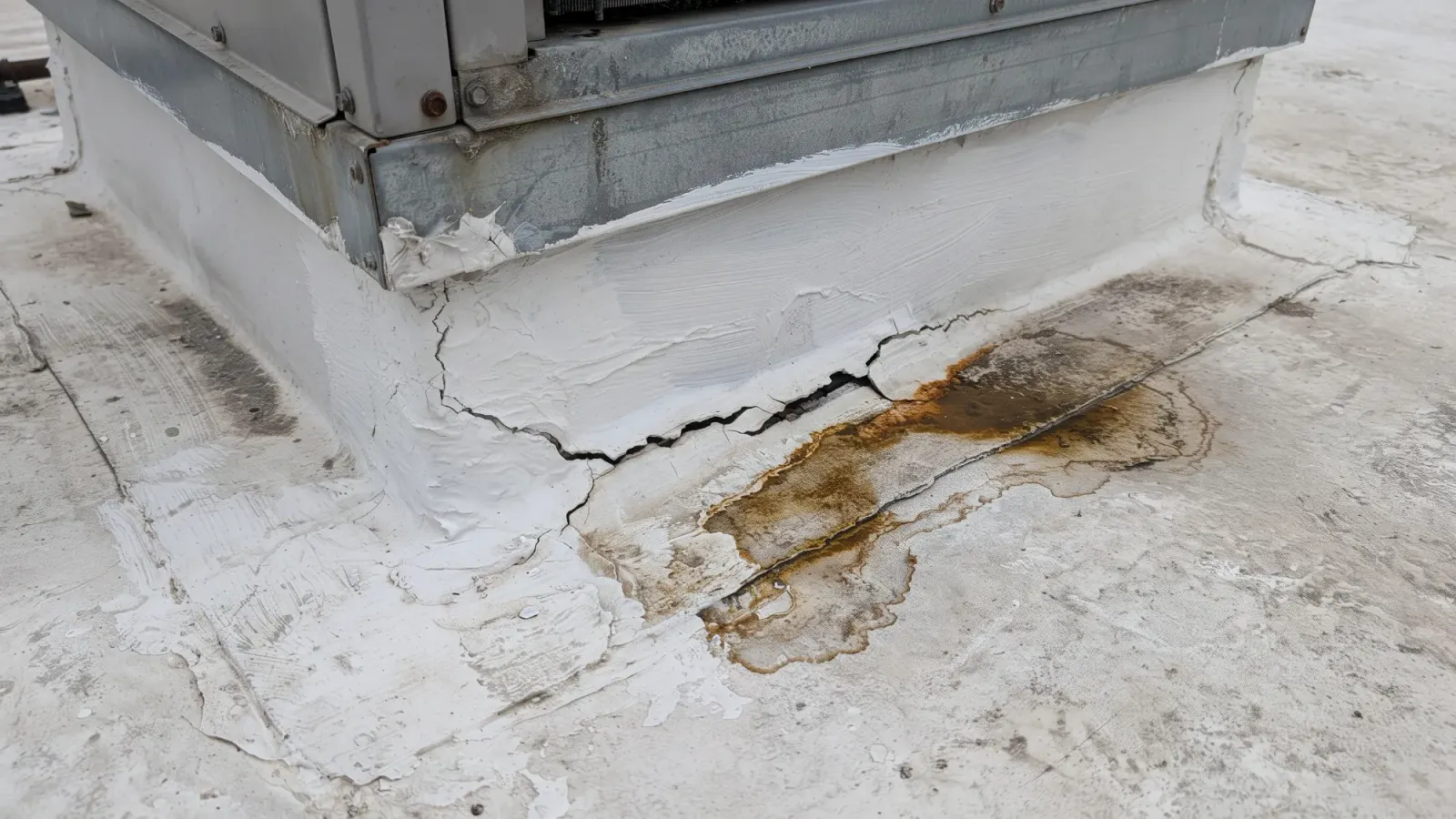
Leaking at a few flashings or seams
Is a coating worth considering?
Not by itself
Why
Those details need repairing first; a coating over them hides the problem
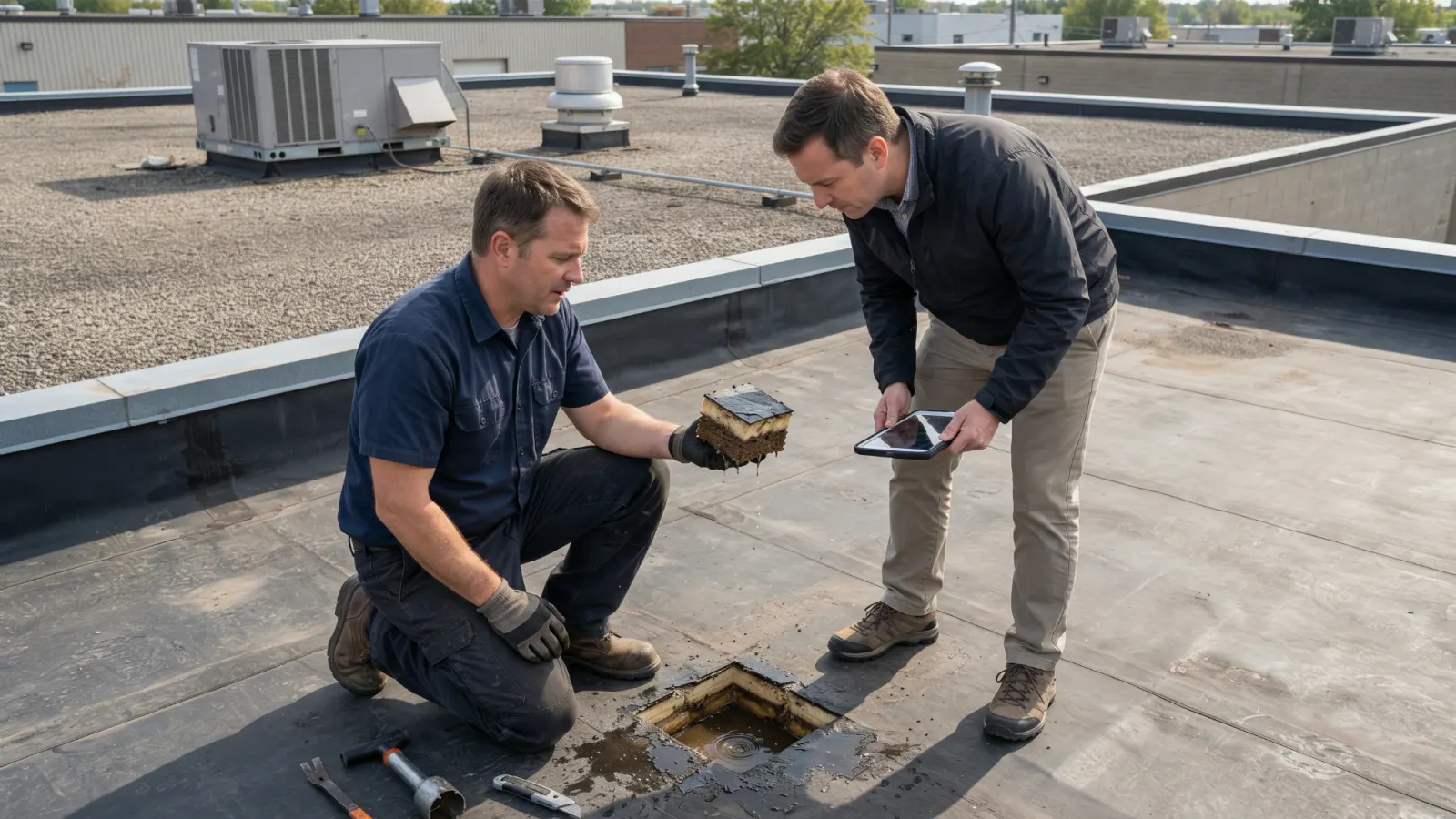
Wet insulation under the surface
Is a coating worth considering?
No
Why
A coating traps the water in; the wet areas have to come out
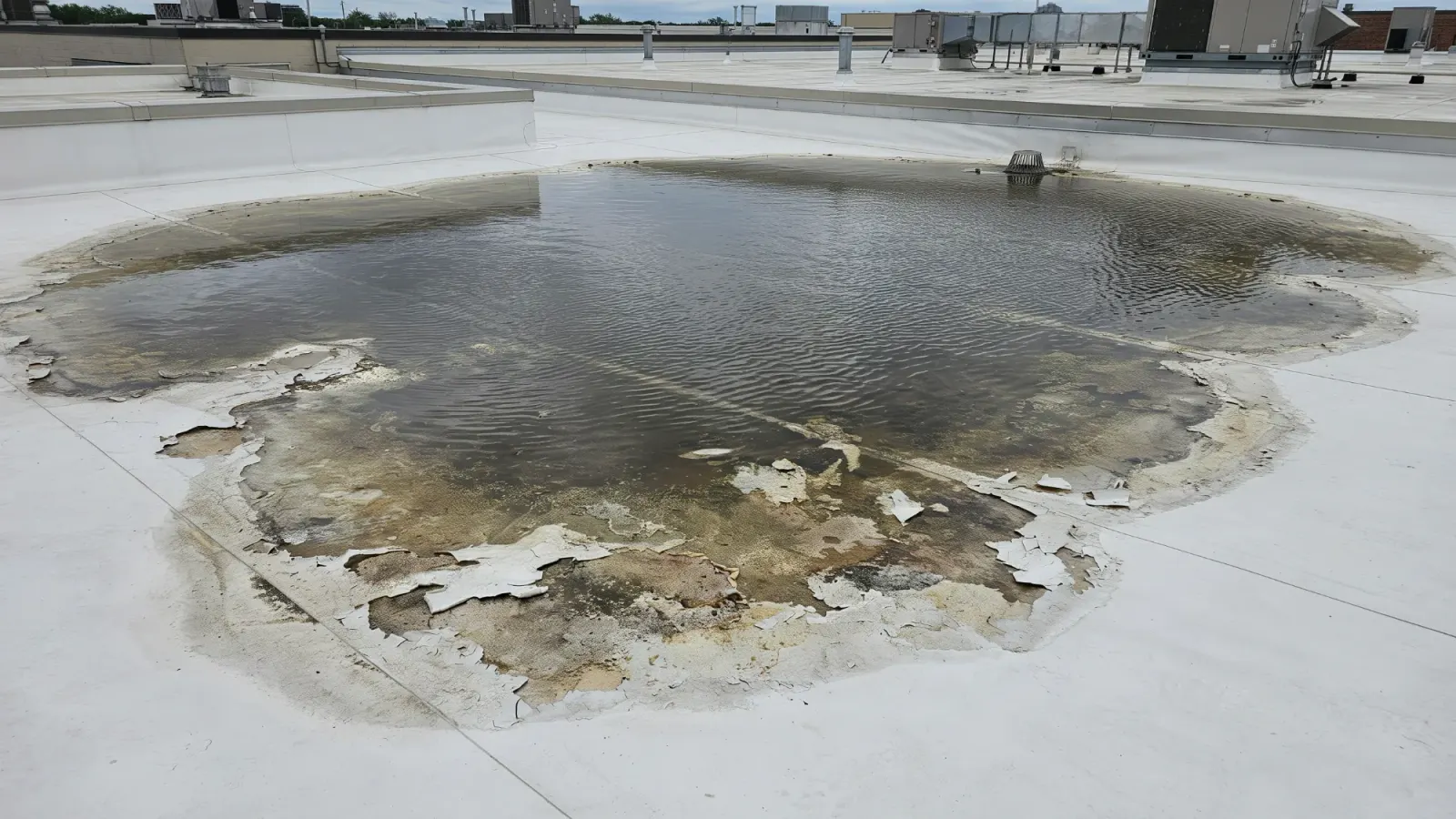
Ponding across large areas
Is a coating worth considering?
Rarely
Why
The water still sits there, and many coatings don’t hold up under standing water
Blistered, split or worn through across most of the roof
Is a coating worth considering?
No
Why
The roof is near the end; a replacement is the honest answer
When a Roof Coating Doesn’t Work
- Over wet insulation
The coating seals the moisture in, and the roof keeps deteriorating under a nice new surface.
- To stop an active leak
If the source is a failed flashing, a drain or an open seam, a coating over the top rarely seals it for long.
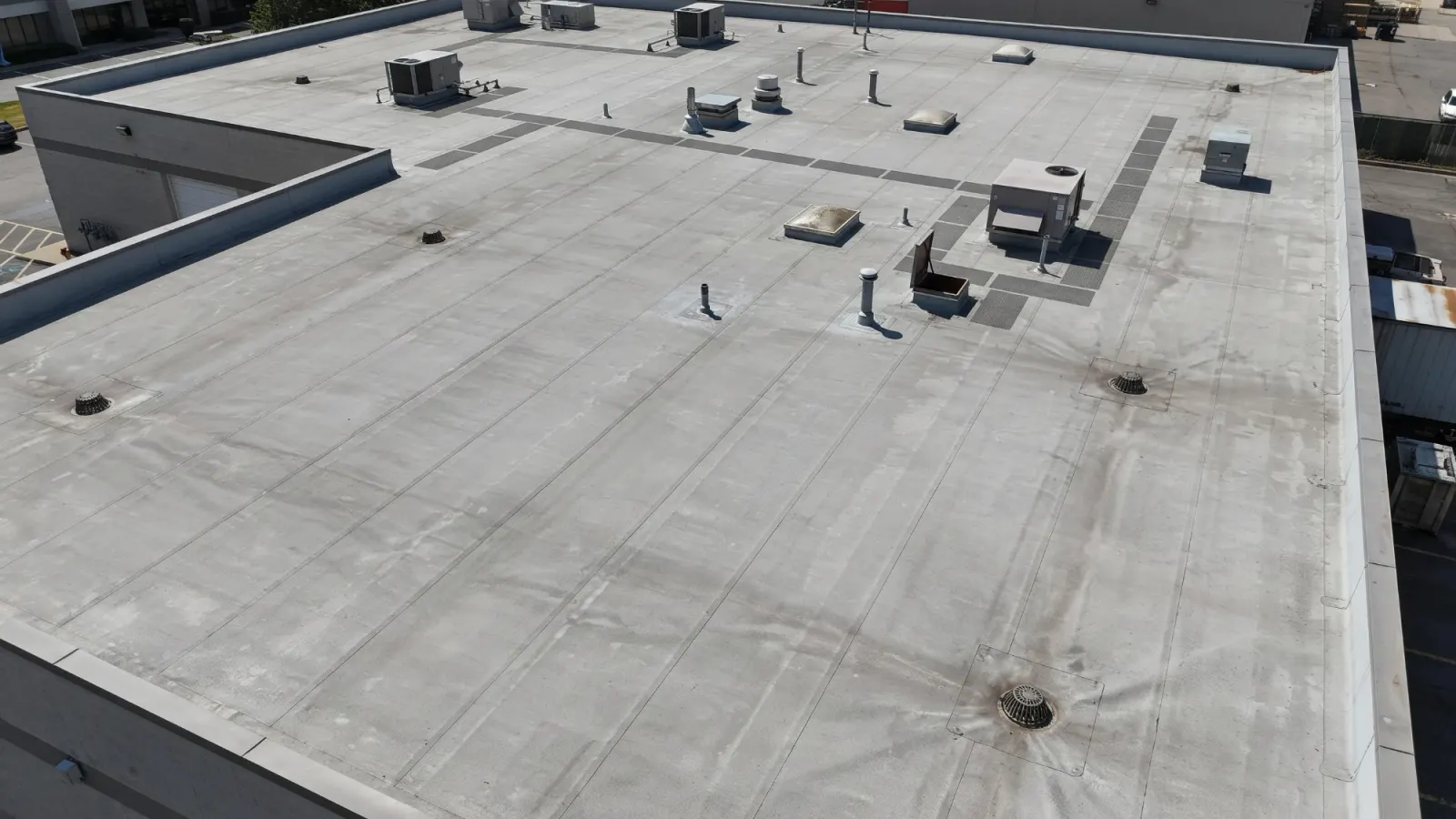
- On a roof that ponds
Water still collects in the same low spots, and many coatings break down where it sits.
- On a roof at the end of its life
Blisters, splits and loose seams across the field mean the roof itself is failing, not just its surface.
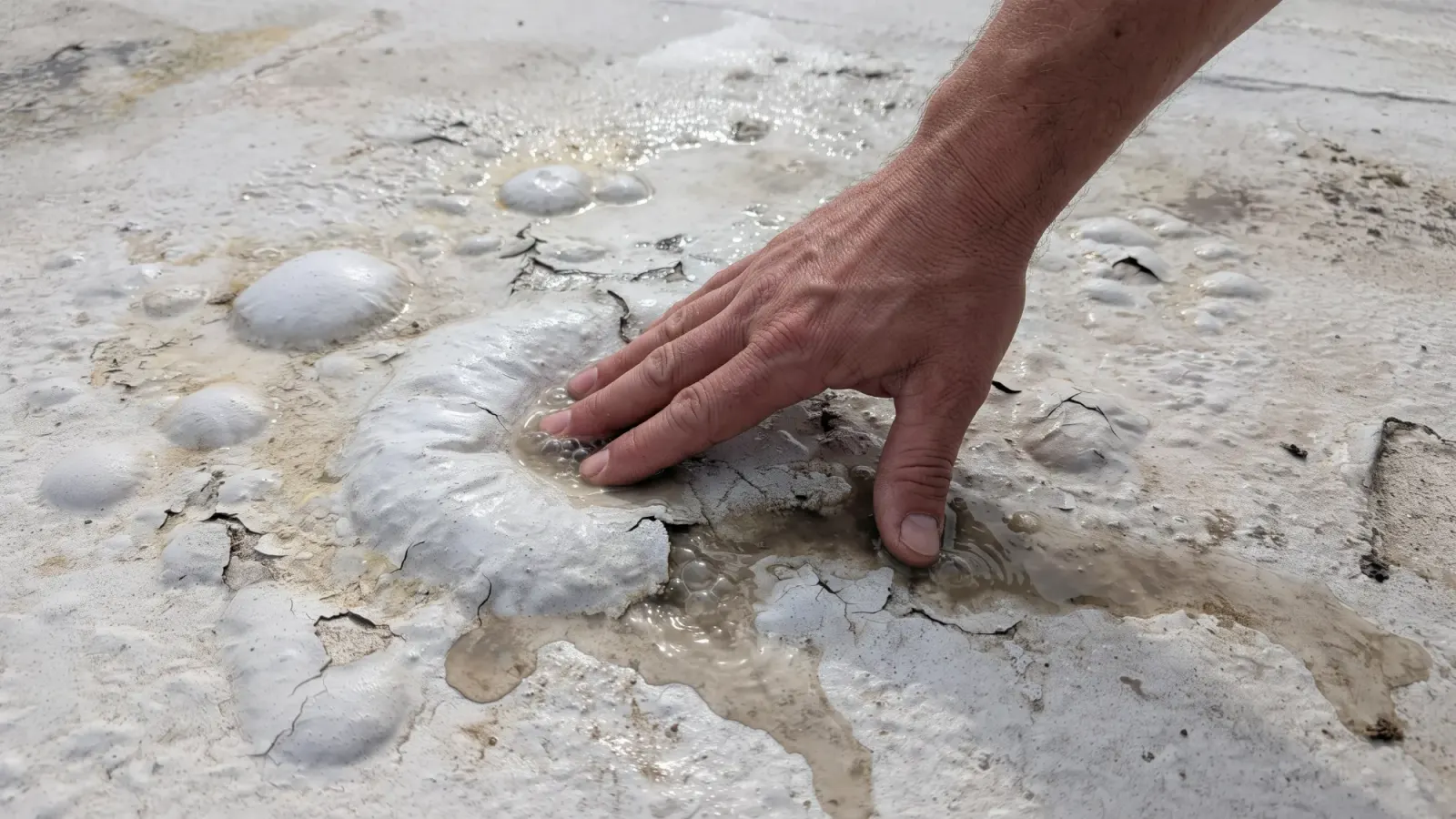
- Without real prep
Coatings need a clean, repaired, dry surface. Skipping the prep is how coatings peel.
- As a substitute for a survey
If nobody has checked what is under the surface, nobody knows if the roof is a candidate.
Questions to Ask Before You Coat
Any contractor offering a coating should be able to answer all of these before you sign.
Coating, Repair or Replacement?
Roof coating
- What it does
- Renews the top surface of the existing roof
- Makes sense when
- The roof is sound and dry, and the goal is surface wear or reflectivity
Targeted repair
- What it does
- Fixes the detail that failed: a flashing, a drain, a seam, a worn area
- Makes sense when
- Problems are in a few places and the rest of the roof is sound
Scheduled maintenance
- What it does
- Keeps drains clear, catches worn flashings early, documents the roof
- Makes sense when
- The roof has life left and you want to keep it that way
Replacement
- What it does
- A new roof from the deck up, with drainage improved where the structure allows
- Makes sense when
- Wear, wet insulation or ponding run across the roof
Why We Don’t Apply Coatings, and What We Do Instead
We don’t apply roof coatings. Our work is the roof itself: tracing leaks, repairing what failed and replacing roofs that have reached the end. That means we have no reason to steer you toward a coating, or away from one. If your roof is a good candidate, we will tell you so.
- A roofer-led roof survey photographs the surface, the seams, the flashings, the drains and the low spots, so you know what you are working with before anyone sells you anything.
- Commercial roof repair fixes the details that leak, while the building stays open.
- Commercial roof maintenance keeps drains clear and flashings sound, with a photo report every visit.
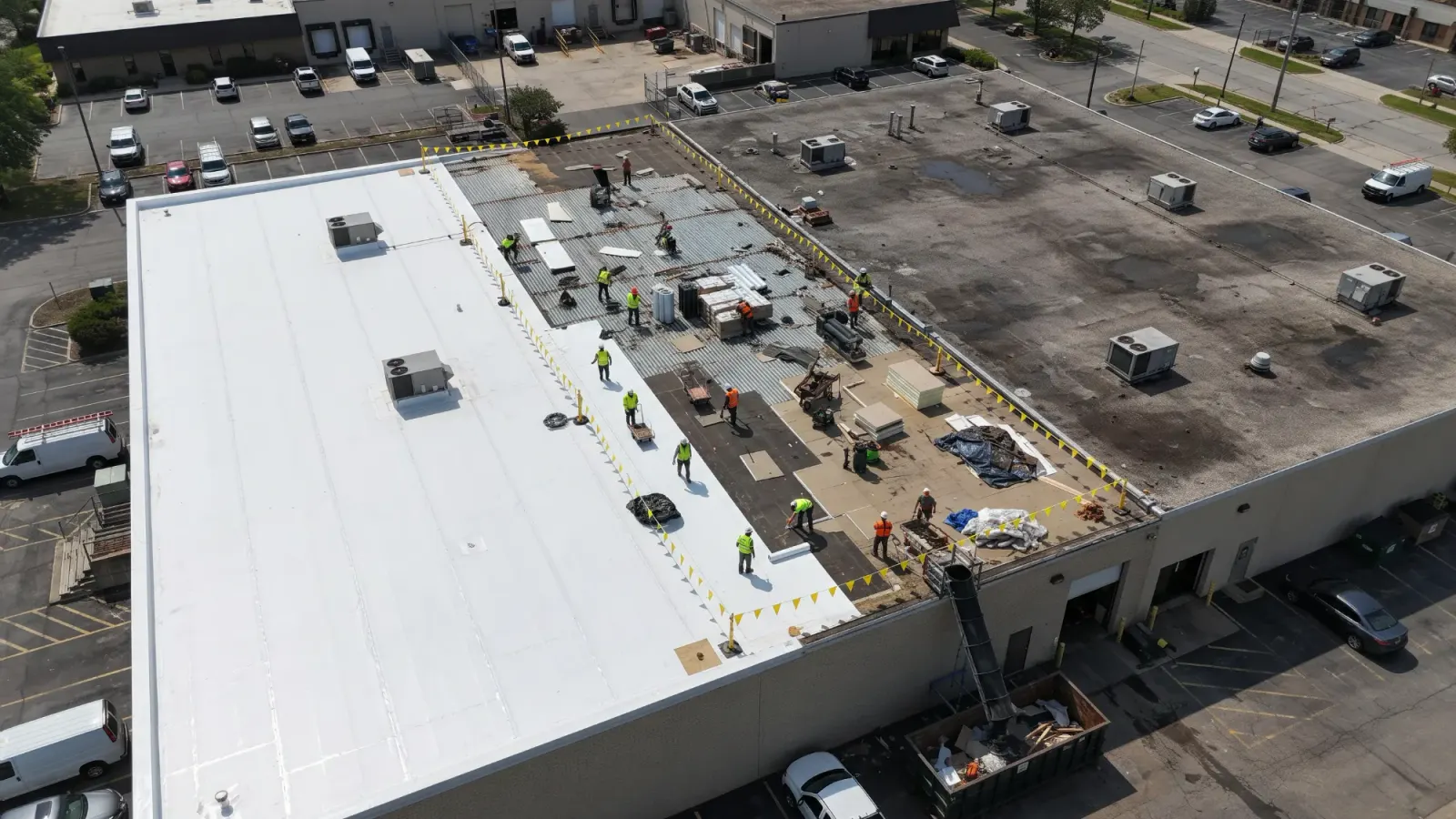
- Commercial roof replacement puts on a new roof, phased section by section, and a white cap sheet or a TPO roof gives you a reflective surface from day one.
Our guides to ponding water and finding a flat roof leak explain two of the problems a coating can’t fix.
Frequently Asked Questions
Is a roof coating worth it?
On a sound, dry roof with a weathered surface, it can be a reasonable step. On a roof with wet insulation, active leaks at flashings, widespread ponding or worn-out seams, it usually isn’t, because the coating only covers the surface.
Can a roof coating stop a leak?
Rarely for long. Most leaks start at a flashing, a drain or an open seam, and those need a repair. A coating over the top can hide the problem without fixing it.
Can you coat a roof that has ponding water?
Water will still collect in the same spots after the coating, and many coatings break down under standing water. The drainage problem has to be dealt with first.
Is a roof coating the same as a new roof?
No. A coating is a new surface on the existing roof. The deck, the insulation, the seams, the flashings and the slope underneath stay as they were.
Does QRS apply roof coatings?
No. We repair, maintain and replace commercial roofs. Because we have no coating to sell, we can tell you honestly whether your roof is a candidate for one.
What should I do before deciding on a coating?
Have the roof surveyed: whether the insulation is dry, where water ponds, and which details need repairs. Then compare a coating, a repair and a replacement in writing.
Weighing a Coating for Your Building?
Get an honest look at the roof first. Request a roof survey: a roofer photographs the roof, tells you in plain English whether it needs a repair, maintenance or a replacement, and gives you a written scope and price before any work. Or call (310) 340-1643.
