

TPO vs. EPDM vs. Modified Bitumen: Which Flat Roof System Fits Your Building?
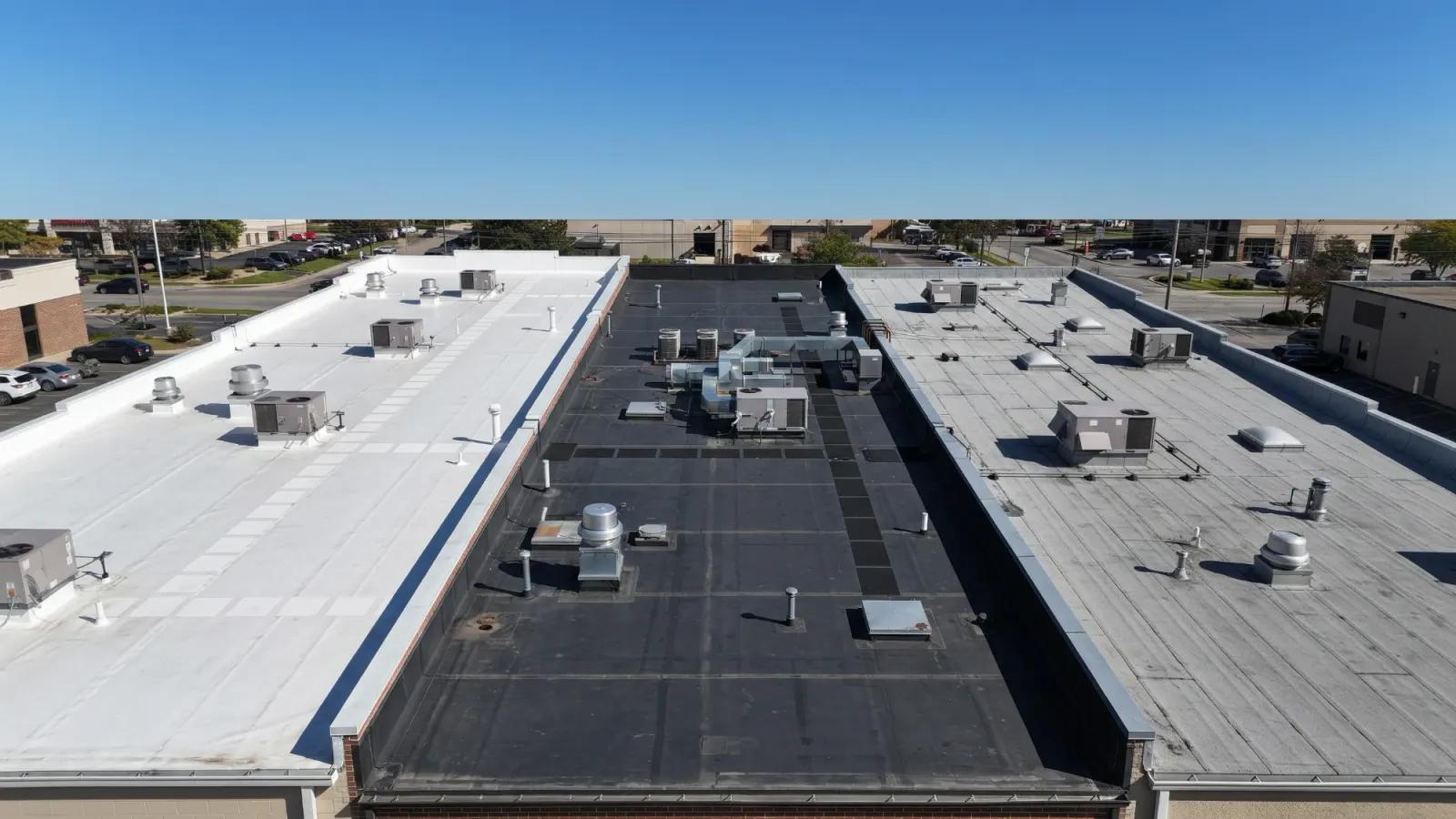
TPO vs. EPDM vs. modified bitumen is the choice most commercial building owners face when a flat roof needs replacing. All three can be good roofs. None of them is the best roof for every building.
Here is what each system is, how they compare side by side, which tends to fit which kind of building, the questions to ask, and how we choose one for a roof we are replacing.
The Three Systems in Plain English
TPO
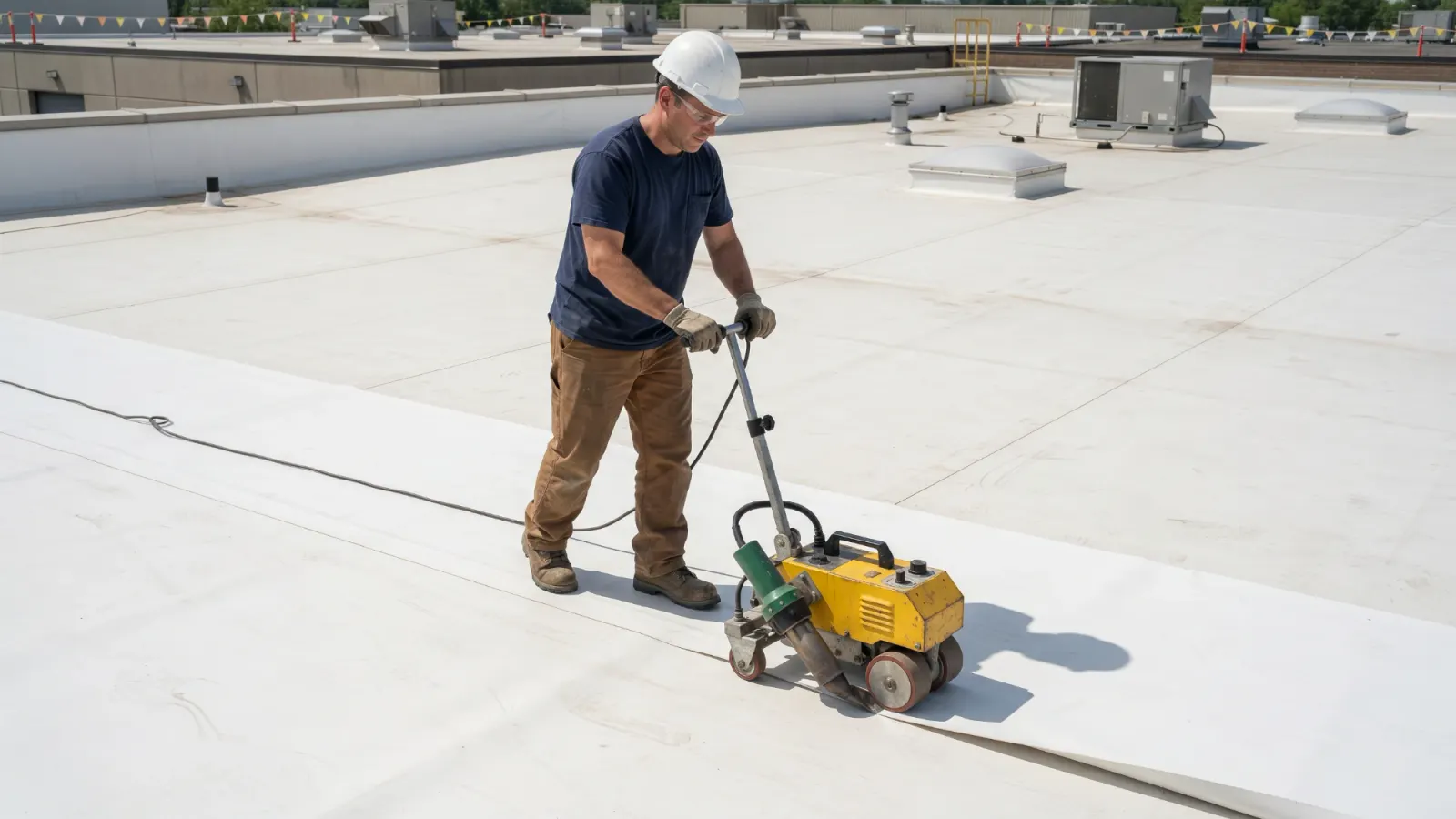
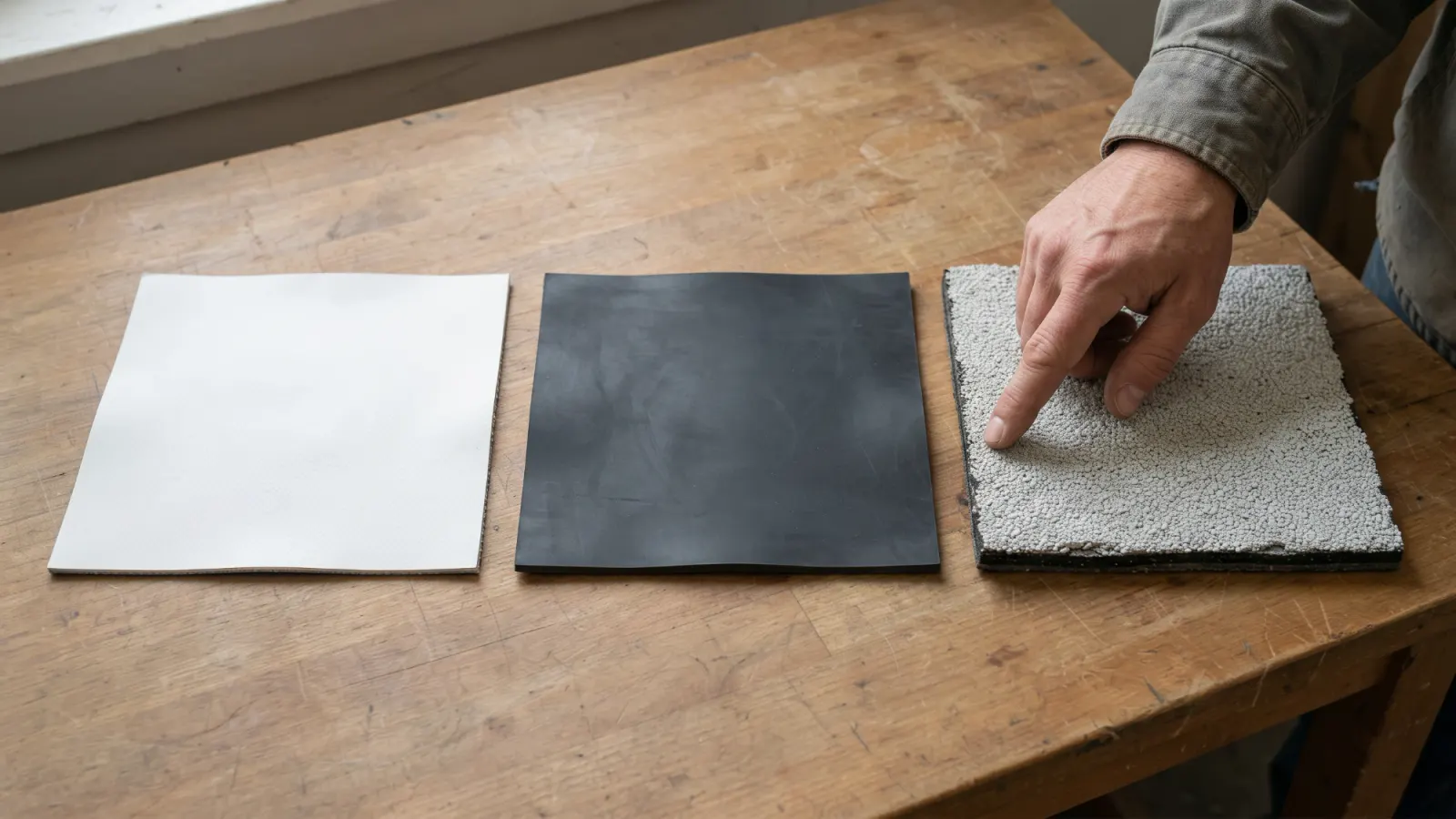
TPO is a single-ply membrane, a single sheet of thermoplastic, usually white. The sheets are laid across the roof and their seams are welded together with hot air, so the seams become part of the membrane. The white surface reflects sunlight, which helps keep the roof and the space below cooler. Our TPO roofing page and our guide to TPO pros and cons go further.
EPDM
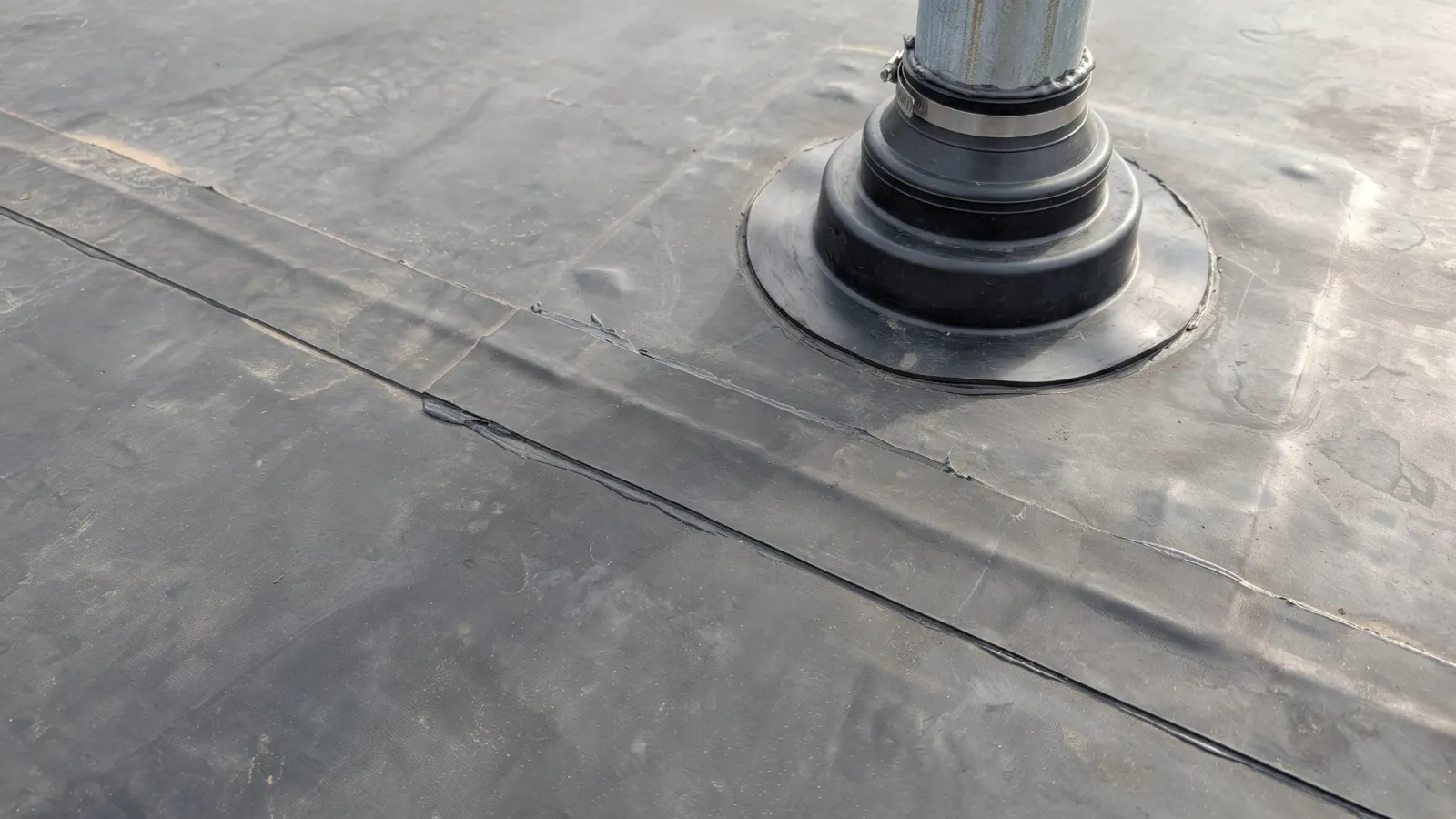
EPDM is a single-ply synthetic rubber membrane, usually black, with a long track record on commercial roofs. It stays flexible, and its seams are joined with tape or adhesive rather than welded. Standard black EPDM absorbs heat; white versions exist.
Modified bitumen
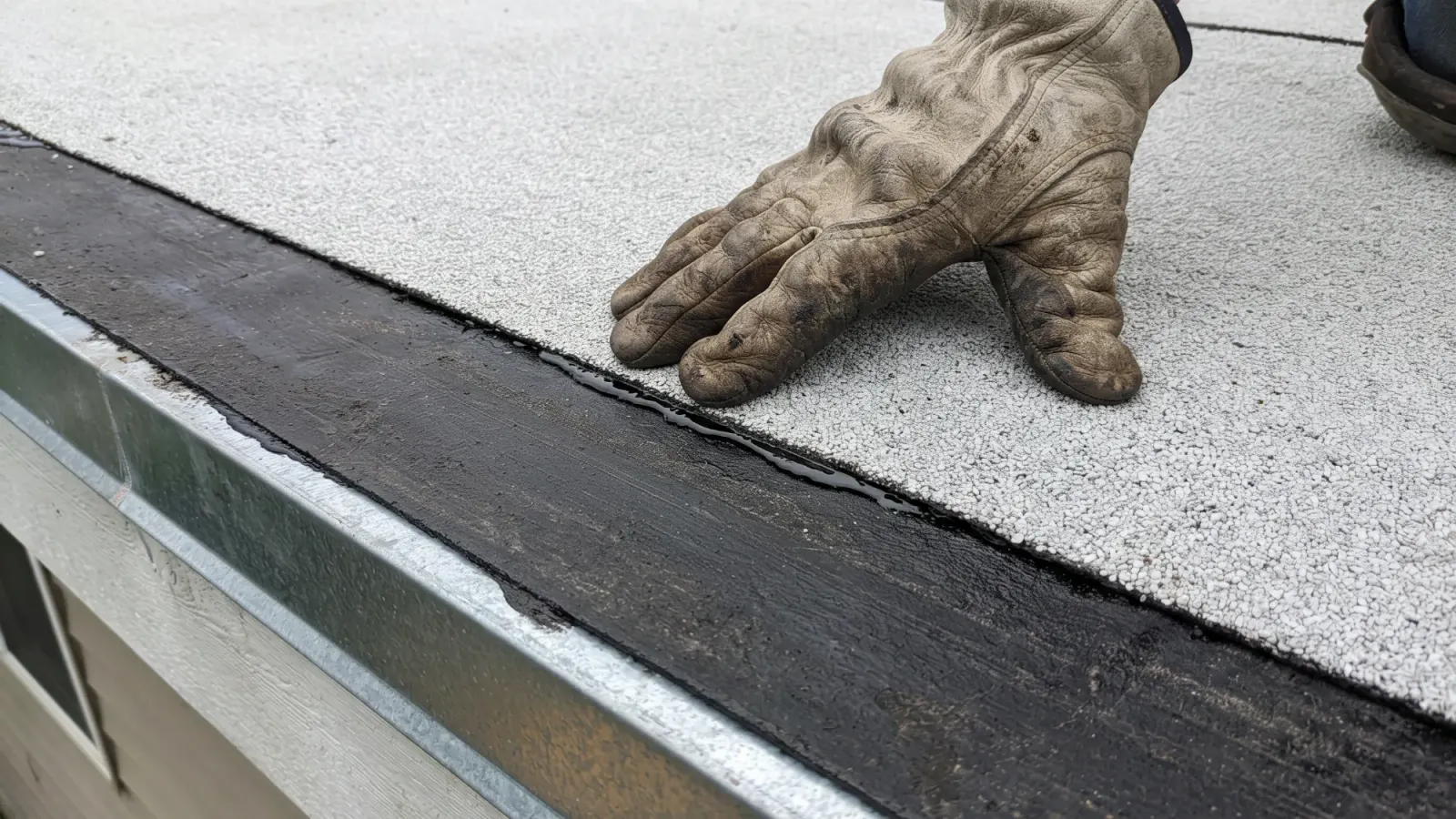
Modified bitumen is asphalt modified with polymers, made into rolls and installed in layers: a base sheet, then a cap sheet on top. The layers are torch-applied, or self-adhered where an open flame isn’t right for the building. A granulated white cap sheet gives a reflective surface. Our guide to torch-down roofing: APP vs. SBS explains the two main types.
TPO vs. EPDM vs. Modified Bitumen, Side by Side
TPO
- What it is
- A single sheet of thermoplastic membrane
- Seams
- Welded with hot air into one piece
- Surface
- Usually white and reflective
- Often chosen for
- Large, open roofs where a reflective surface and welded seams matter
EPDM
- What it is
- A single sheet of synthetic rubber
- Seams
- Taped or glued
- Surface
- Usually black; white versions exist
- Often chosen for
- Roofs where a flexible membrane and a long track record are the priority
Modified bitumen
- What it is
- Two or more layers of polymer-modified asphalt sheets
- Seams
- Lapped and fused with heat, or self-adhered
- Surface
- Granulated cap sheet, available in white
- Often chosen for
- Roofs with foot traffic, lots of equipment or many details to flash
California’s energy code has cool roof requirements for many nonresidential reroofs, depending on how much of the roof is replaced, the climate zone and the building, so the surface you choose may be decided partly by the permit. Your roofer should know which path applies and handle it with the permit.
Which System Fits Which Building?
Which of these sounds most like your roof? Tap a card.
A large, open roof with few penetrations
Often a good fit
TPO
Why
Wide sheets and welded seams cover big areas cleanly, with a reflective surface
Lots of rooftop equipment and service traffic
Often a good fit
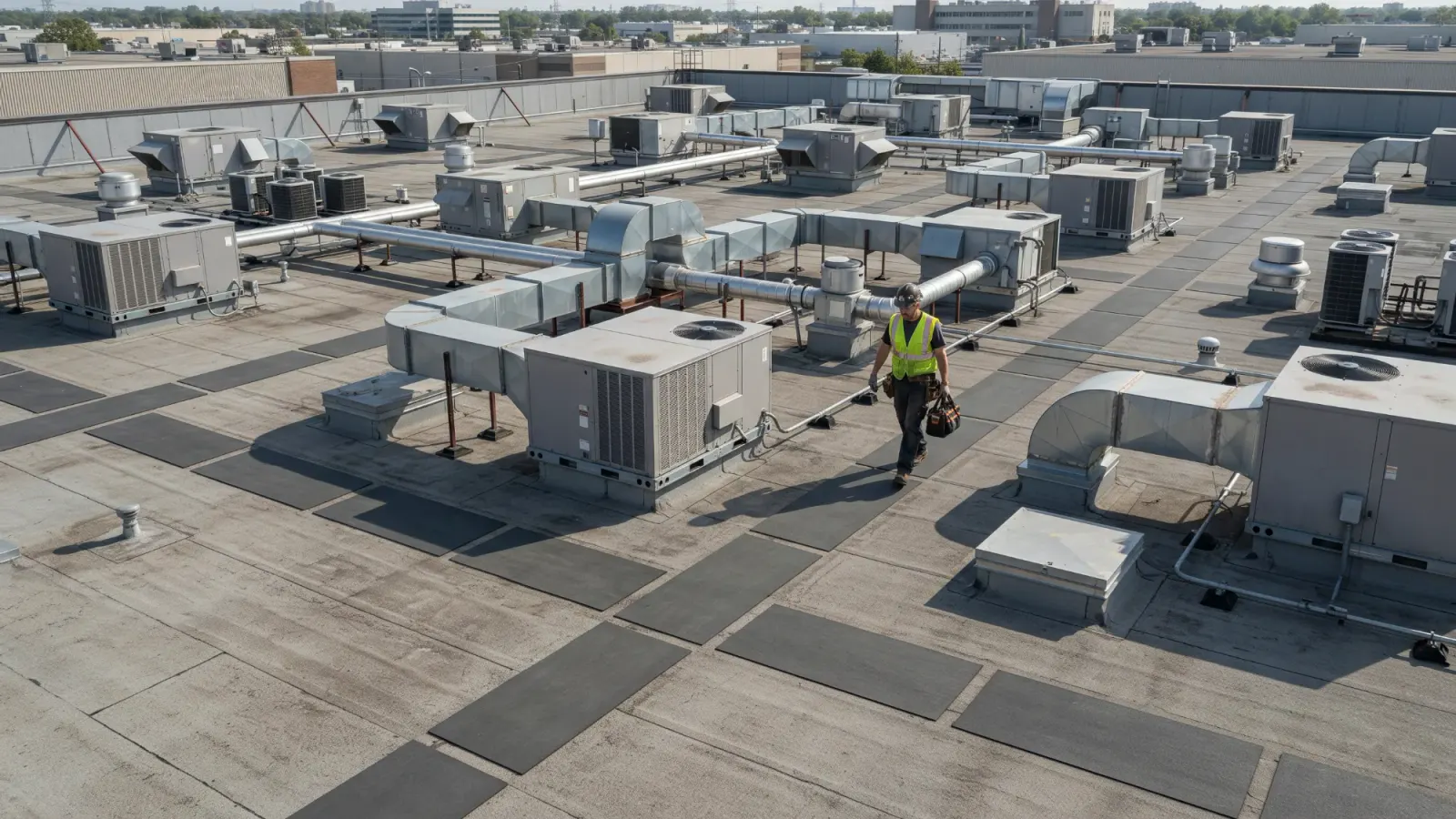
Modified bitumen, with walk pads on the service paths
Why
Several layers stand up to foot traffic and are straightforward to repair
Many curbs, pipes and details to flash
Often a good fit
Modified bitumen or TPO
Why
Both can be detailed well around penetrations; the detailing matters more than the system
Occupied spaces where an open flame isn’t right
Often a good fit
TPO or self-adhered modified bitumen
Why
Hot-air welding and self-adhered sheets avoid a torch
A sound EPDM roof with some life left
Often a good fit
Keep it maintained
Why
A roof that works doesn’t need replacing just because another system is popular
A roof that ponds
Often a good fit
Whichever system is chosen, with the drainage fixed
Why
No membrane likes standing water; crickets or a rebuilt slope come first
Questions to Ask Before You Choose a System
Our guide to vetting a commercial roofer has more questions to ask before you hire.
How We Choose a System for Your Roof
We install TPO and modified bitumen on commercial buildings. Every recommendation starts with a roofer-led roof survey: a roofer walks the roof, photographs it area by area and notes how water drains, where the equipment sits, how people move across the roof and how the roof has held up.
Survey the whole roof first. Seams, surfacing, past patches, soft or wet areas, drains, curbs and parapet details, all photographed.
Weigh what the roof has to do. Drainage, rooftop equipment, foot traffic and the structure underneath decide the system, not habit.
Name it in writing. Your written scope names the system and explains why it fits, with the price, before any work.
Phase the work. A commercial roof replacement is phased section by section, so the building stays open.
Walk it at the end. Closeout photos and our 10-year workmanship warranty (call for details), on top of the manufacturer’s.
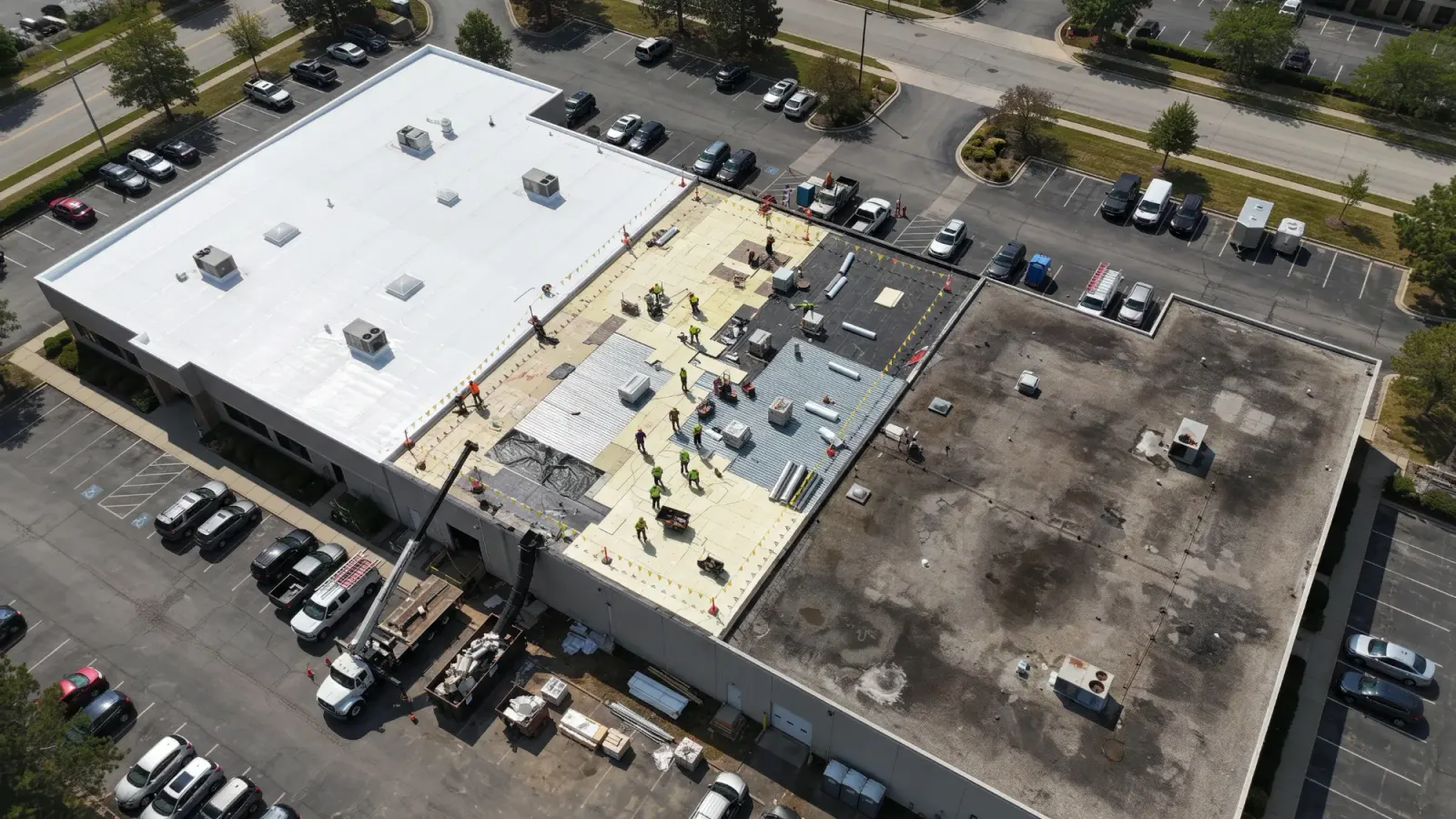
If your building has an EPDM roof, the survey tells you what condition it is in and whether it needs a repair, maintenance or a replacement. On a commercial building in Westminster, the old roof came off down to the deck and a new white cap sheet went on.
Frequently Asked Questions
What is the difference between TPO, EPDM and modified bitumen?
TPO is a white thermoplastic single-ply membrane with hot-air welded seams. EPDM is a synthetic rubber single-ply membrane, usually black, with taped or glued seams. Modified bitumen is two or more layers of polymer-modified asphalt sheets, torch-applied or self-adhered, often with a granulated white cap sheet.
Which flat roof system is best for a commercial building?
It depends on the building: its drainage, rooftop equipment, foot traffic, structure and how much the surface needs to reflect heat. A roofer should survey the roof and explain why one system fits better than the others.
Is TPO better than modified bitumen?
Not in every case. TPO’s welded seams and white surface suit large, open roofs; modified bitumen’s layers stand up well to foot traffic and many details. Both can be excellent when they are installed and flashed well.
Is EPDM a good choice in a hot, sunny climate?
Standard black EPDM absorbs heat, so a white surface is often preferred where the sun is strong and cool roof rules apply. White EPDM exists, and a sound EPDM roof that is working doesn’t need replacing just because of its color.
Which systems does QRS install?
We install TPO and modified bitumen on commercial buildings, chosen after a roofer-led roof survey. The written scope names the system and explains why it fits your building.
Do cool roof rules affect which system I can choose?
They can. California’s energy code has cool roof requirements for many nonresidential reroofs, depending on how much of the roof is replaced, the climate zone and the building. Your roofer should know which path applies and handle it with the permit.
Choosing a System for Your Building?
Start with the roof you have. Request a roof survey: a roofer photographs the roof, explains in plain English which system fits your building and why, and gives you a written scope and price before any work. Or call (310) 340-1643.
