

Repair or Replace Your Roof? The 3-Question Test Our Roofers Use

Whether to repair or replace your roof is the biggest question most homeowners ever ask a roofer, and the one they trust the answer to least. It is easy to see why: the person answering usually earns more if the answer is “replace.”
So here is how our roofers actually decide, out loud. It comes down to three questions. Answer them honestly, with photos, and the choice usually makes itself. Below are the three questions, how to score them, the options in between, and a checklist you can use on your own roof.
Question 1: Is the Problem in One Place, or All Over the Roof?
Start with where the trouble is. A leak at one pipe boot, a few shingles torn off in a storm, a cracked tile over the kitchen, a flashing that let go at the chimney: those are problems in one place, and a repair fixes them.
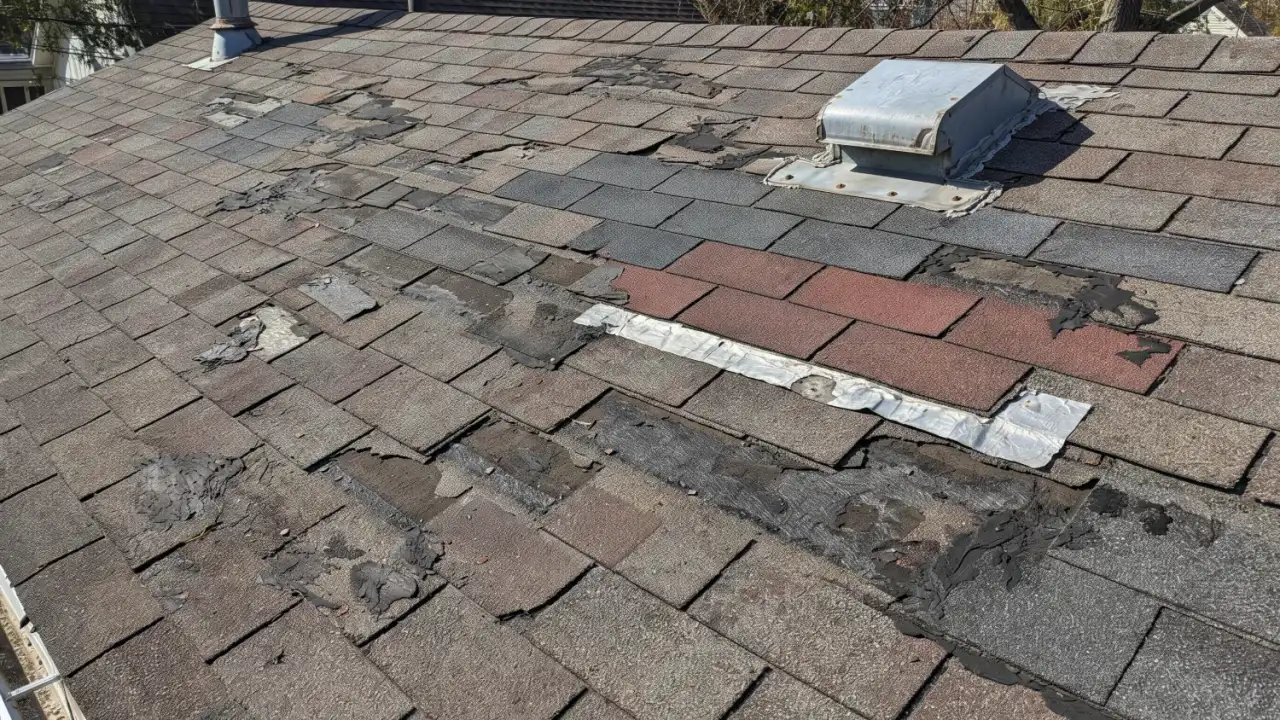
Now look at the rest of the roof. If the granules are thin on every sunny slope, shingle edges are curling across the roof, tiles are slipping on more than one side, or the flat roof is cracked and blistered from one edge to the other, the problem isn’t a place. It’s the roof.
What to look for
- One place: the damage sits in one area, and the roof around it looks the same as the rest of the roof.
- All over: the same wear shows up on several slopes or sides, and fixing one spot would leave the next one waiting.
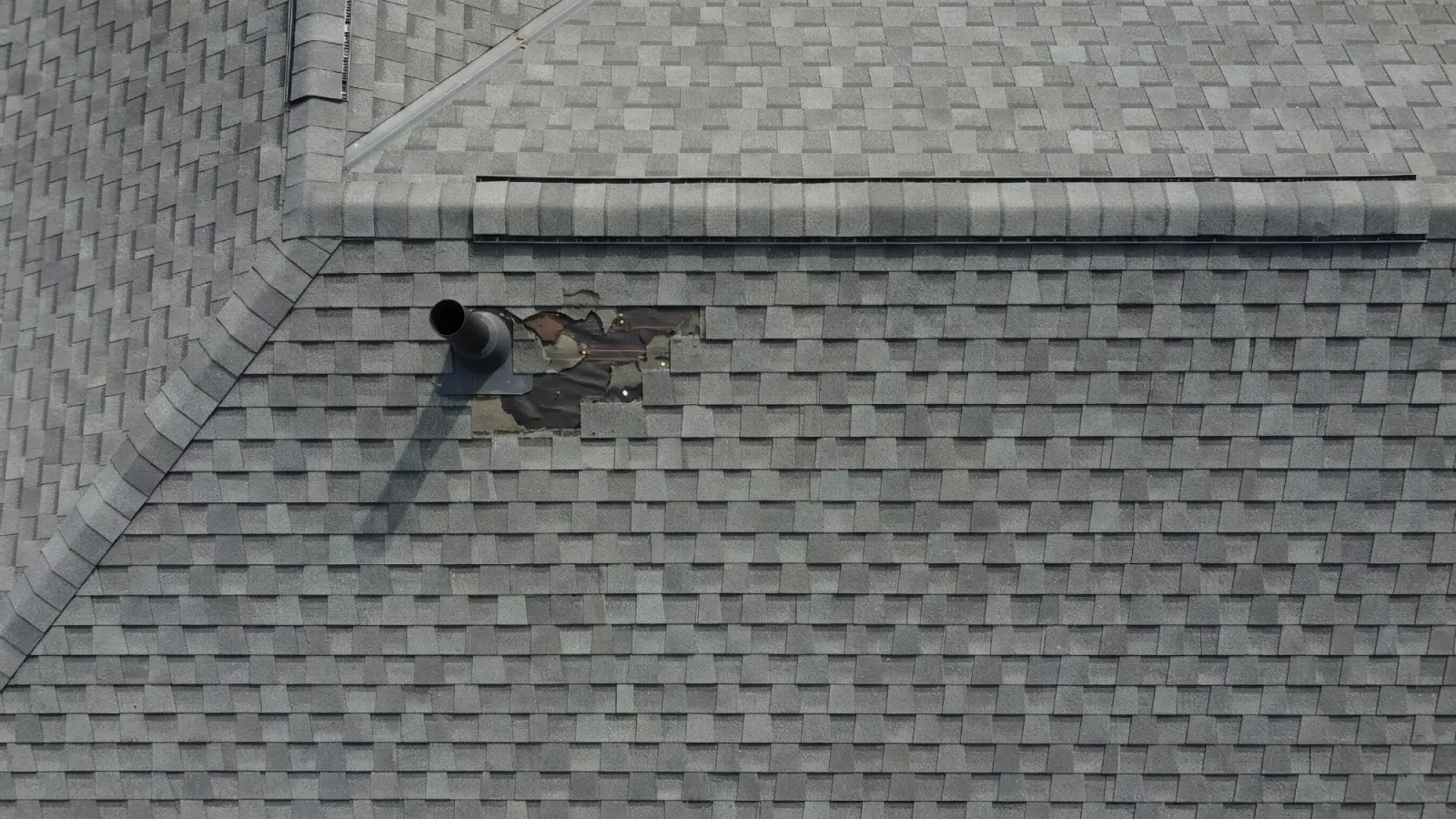
Our articles on curling, cracked and missing shingles and shingle granule loss show the difference up close.
Question 2: Is What’s Underneath Still Sound?
The surface is only part of a roof. Under the shingles, tiles or cap sheet are the underlayment and the roof deck, and those decide more than the surface does.
- Shingle roofs: a soft, dark or rotted deck under a leak means the wood has been wet for a while. A small area can be replaced during a repair; soft deck in many places points to a replacement from the deck up.
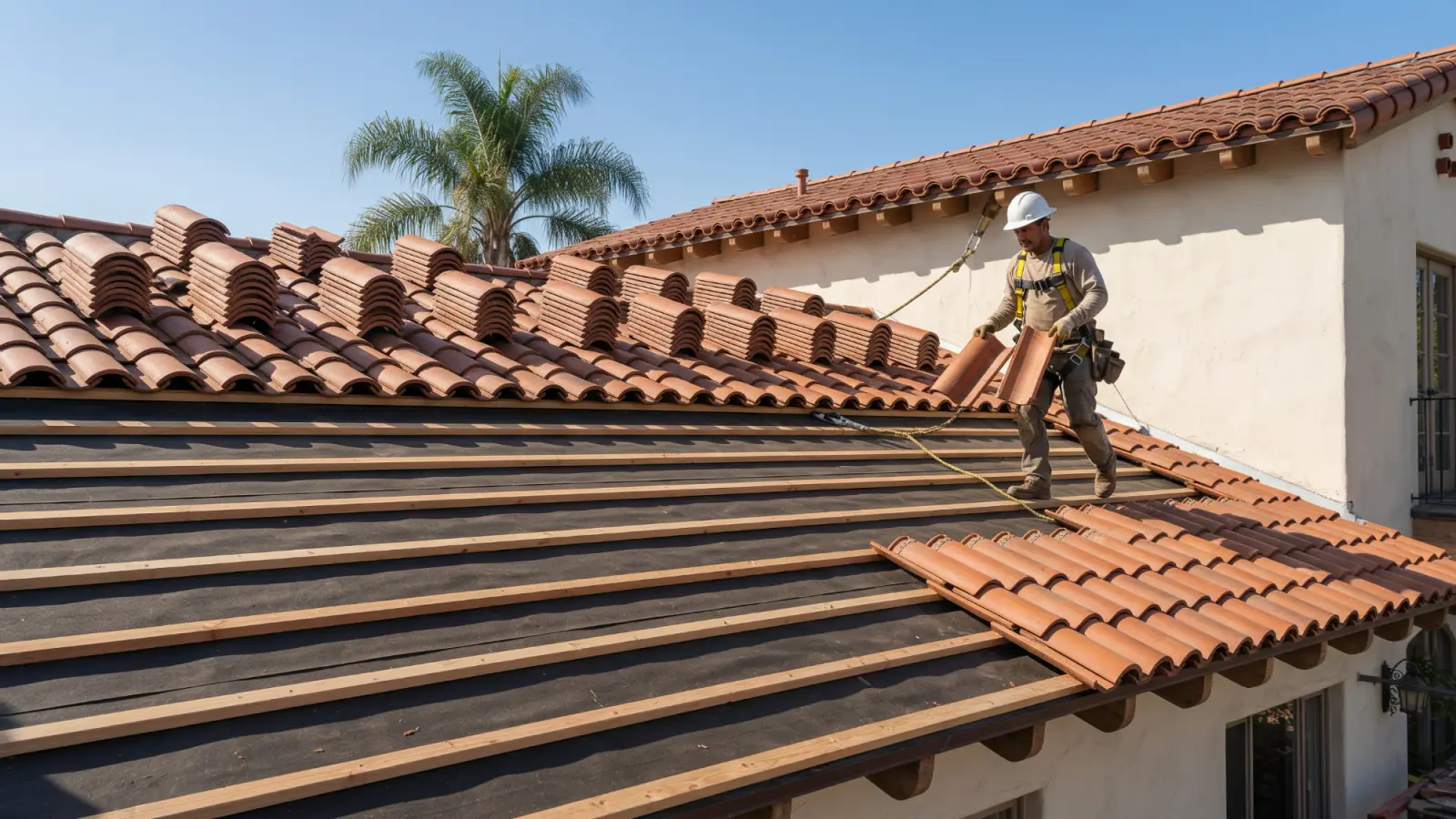
- Tile roofs: the tiles often outlast the underlayment beneath them. Sound tiles over worn-out underlayment is the classic case for a lift and relay: the tiles come off, new underlayment goes down, and the same tiles go back.
- Flat roofs: water that has gotten under the membrane in many places, or a deck that gives underfoot, means the layers below have failed, not just the surface.
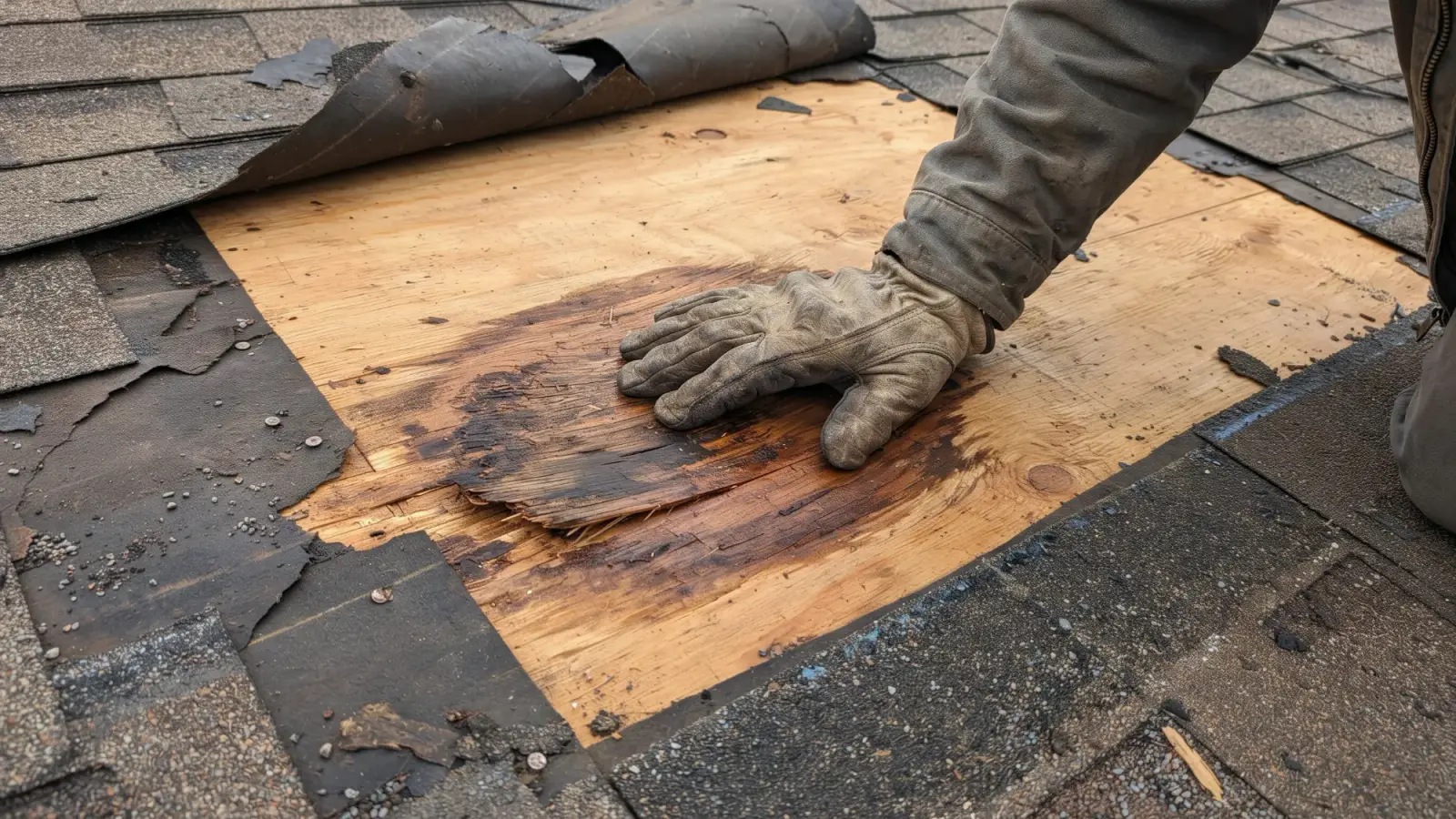
You can’t answer this one from the street. It takes a roofer on the roof, and sometimes a look in the attic; our guide to tracing a leak in the attic shows what the deck tells you from below.
Question 3: Will a Repair Buy Real Time, or Just Delay the Next Leak?
A good repair should buy real time: seasons of a dry house, not weeks. Ask what happens after it.
- How many repairs before this one? A roof patched again and again, in different places, is telling you something.
- Will the repair hold to the roof around it? New shingles hold poorly to old, brittle ones, and a patch on a flat roof that is cracking all over has nothing sound to hold to.
- How old is the roof, and what shape is it in? Age alone doesn’t decide it, but an old roof that is also worn across the board is near the end. Our guide to finding out how old your roof is helps.
- What are your plans? If you are staying for years, money spent on a replacement goes further. If you are selling soon, a sound repair with photos may be the right call; tell your roofer either way.
How to Score the Test
Which of these sounds most like your roof? Tap a card.
One place, sound underneath, a repair will hold
What it usually means
Repair
What to do next
Fix what failed, with photos of the problem and the finished repair.
One place, but the layers underneath are worn
What it usually means
It depends on the roof
What to do next
On a tile roof with sound tiles, a lift and relay. On shingle or flat, a larger repair or a replacement.
Problems all over, or repairs keep coming back
What it usually means
Replace
What to do next
Plan the replacement with a written scope and price, before the next storm decides the timing.
Sound roof, no leak, just older
What it usually means
Maintain and monitor
What to do next
Regular upkeep and a look after big storms. No reason to replace it yet.
Notice that “older” on its own never lands on replace. Age is a reason to look closely; the three questions are what decide.
The Options in Between
Repair and replace aren’t the only two answers:
- Tile lift and relay. Our SecondLife® lift and relay keeps your sound tiles and replaces the worn underlayment and flashings beneath them. See tile lift and relay vs. a new tile roof.
- A tune-up. A one-time RoofRevive® tune-up takes care of the small things before they become leaks.
- A maintenance plan. Our roof maintenance plans time visits to the rainy season, so a sound roof stays that way.
Your Repair-or-Replace Checklist
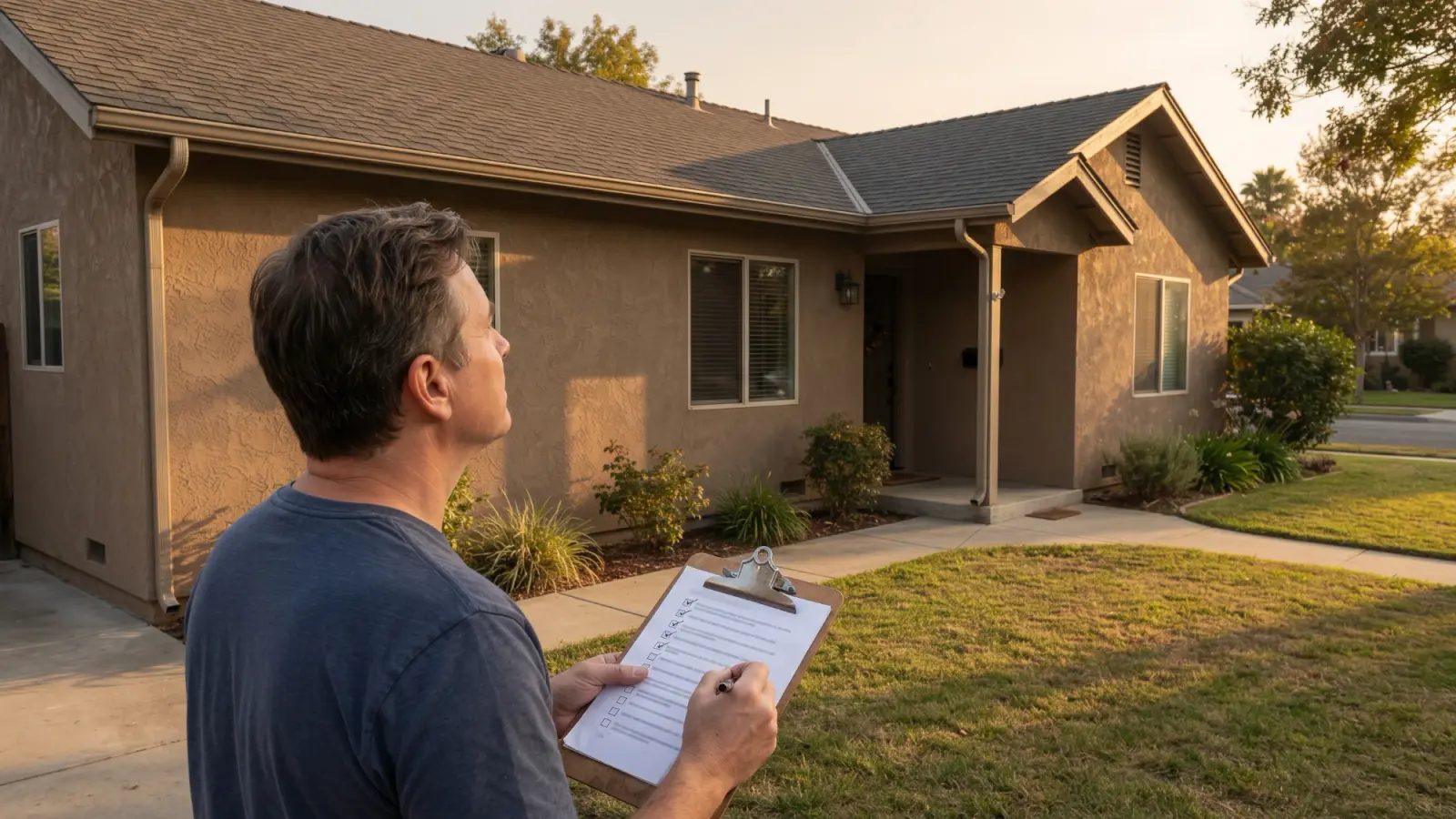
Answers That Should Make You Pause
Whoever looks at your roof should be able to answer the three questions with photos. Be careful with:
- “You need a new roof” before anyone has been on it
- A replacement recommended with no photos of why
- A repair promised to fix a roof that is worn out across the board
- “Replace it now, the price goes up tomorrow.”
- A scope and price that only exist as a number said out loud
How We Answer It
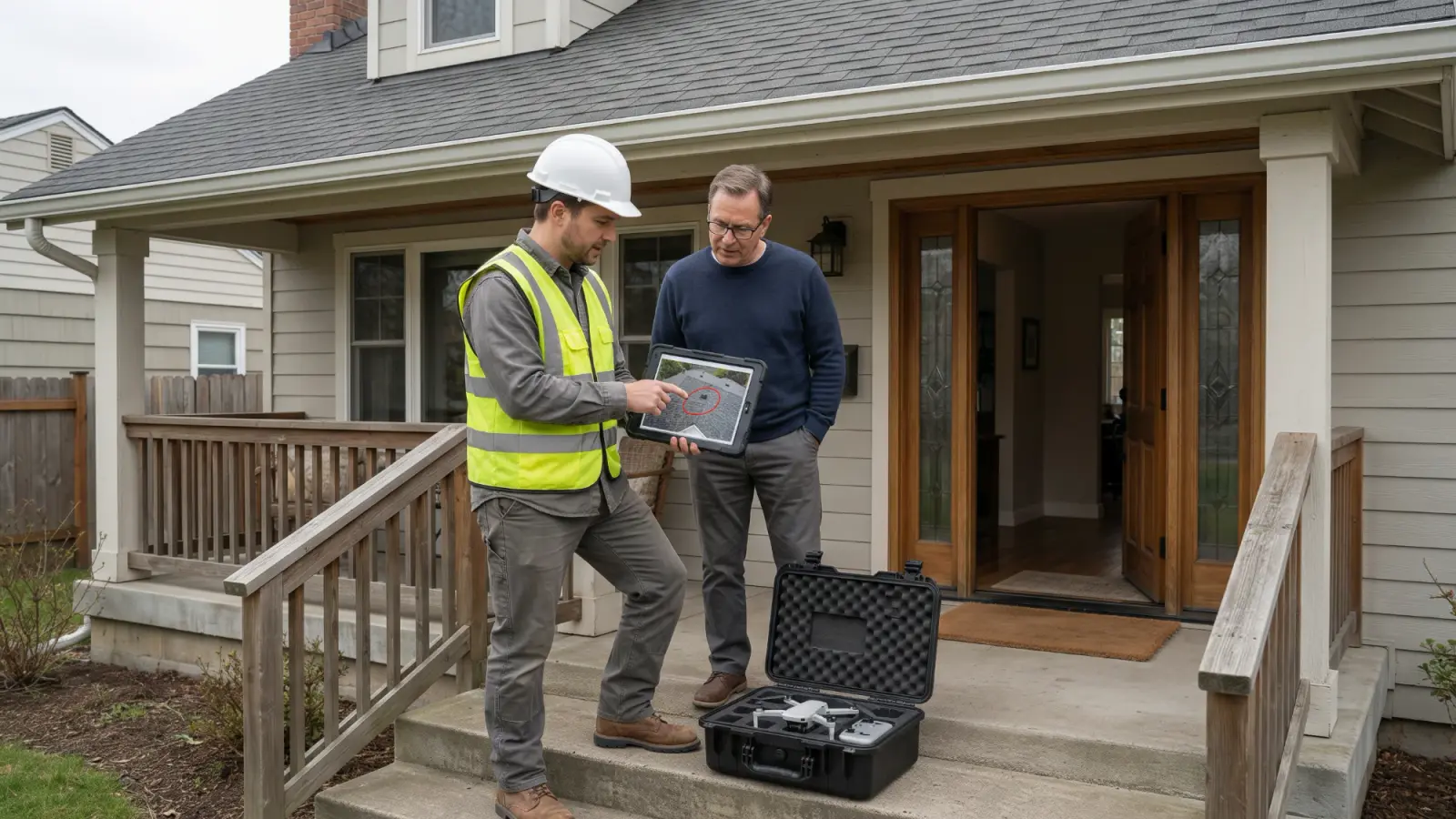
At QRS, a roofer looks at your roof before anyone tries to sell you one. Our free roof evaluation is built around these three questions:
- Drone footage and photos of every slope with RoofScan 360®, so you see whether the problem is in one place or all over.
- A look at what is underneath where it matters: the deck around a leak, the underlayment under a lifted tile, the layers of a flat roof.
- One clear next step: repair, monitor, maintain or replace, explained in plain English.
- A written scope and price before any work starts.
When a repair will fix it, that is what we recommend: our roof repair service, LeakRescue®, fixes what failed. When the roof is done, we will show you why and walk you through a roof replacement: TotalShield® for shingle roofs from the deck up, SecondLife® for tile, FlatGuard® for flat roofs, and roof financing for home replacements, subject to credit approval.
Frequently Asked Questions
How do I know whether to repair or replace my roof?
Ask three questions: is the problem in one place or all over the roof, is what’s underneath (the deck and underlayment) still sound, and will a repair buy real time or just delay the next leak? One place, sound underneath and a repair that will hold means repair. Problems all over, or repairs that keep coming back, mean replace.
Should I replace my roof just because it’s old?
Not on age alone. An older roof that is sound and dry may only need upkeep. Age is the reason to have it looked at; what the roofer finds is the reason to repair, maintain or replace.
Is it worth repairing an old roof?
Often, when the problem is in one place and the roof around it is sound. It stops being worth it when the roof is worn across the board, the layers underneath have failed, or the repairs keep coming back.
Can part of a roof be replaced?
Sometimes a larger section can be repaired or rebuilt, for example around a chimney or over a damaged area of deck. When wear is spread across the roof, a full replacement usually makes more sense than replacing it a section at a time.
What if my tile roof leaks but the tiles look fine?
That usually points to the underlayment beneath the tiles. If the tiles are sound, a lift and relay keeps them and replaces the underlayment and flashings underneath. If many tiles are broken or brittle, a new tile roof may make more sense.
Will you tell me if I only need a repair?
Yes. When a repair will fix it, that is what we recommend. Every evaluation ends with one next step, repair, monitor, maintain or replace, with photos that show why.
Not Sure Which Side of the Test Your Roof Is On?
Let a roofer answer the three questions with photos. Book a free roof evaluation and you get drone footage of every slope, a plain-English answer on repair or replace, and a written scope and price before any work. Or call (310) 340-1643.
