

Curling vs. Cracked vs. Missing Shingles: Which Is Serious?
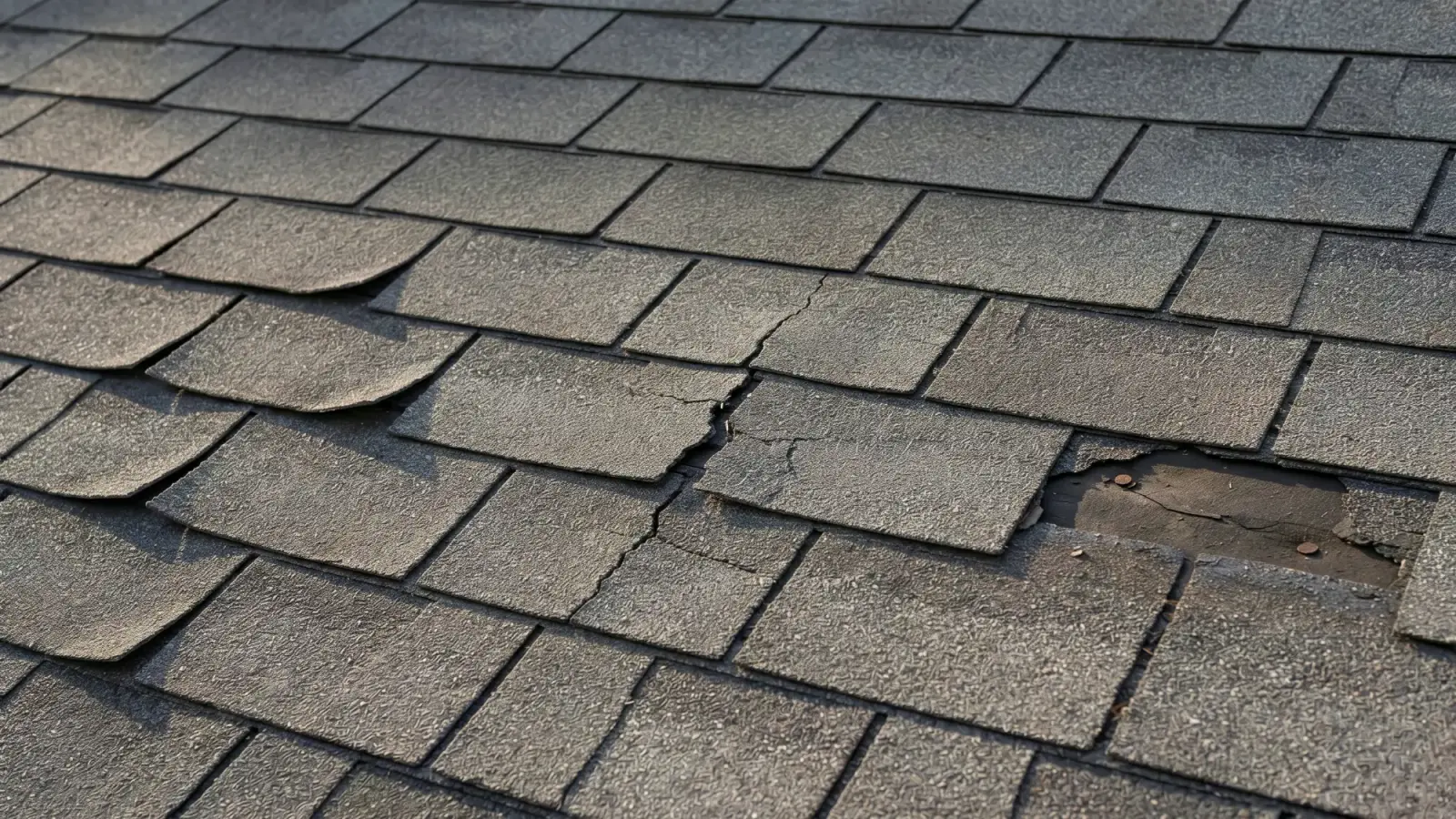
Curling, cracked and missing shingles all look bad from the driveway, but they don’t mean the same thing. Missing shingles are usually the most urgent today. Curling across the whole roof is usually the most serious for the roof’s future. Cracked shingles sit in between, and how many there are decides which way they go.
Below, we put the three side by side: what each one looks like, what causes it and how serious it is. Then we walk through the questions our roofers ask to decide between a repair and a new roof, so you can have that conversation with the photos in front of you.
Curling, Cracked and Missing Shingles Side by Side
Here are the three problems next to each other. Most roofs with one of them have a little of the others too, so read all three columns.
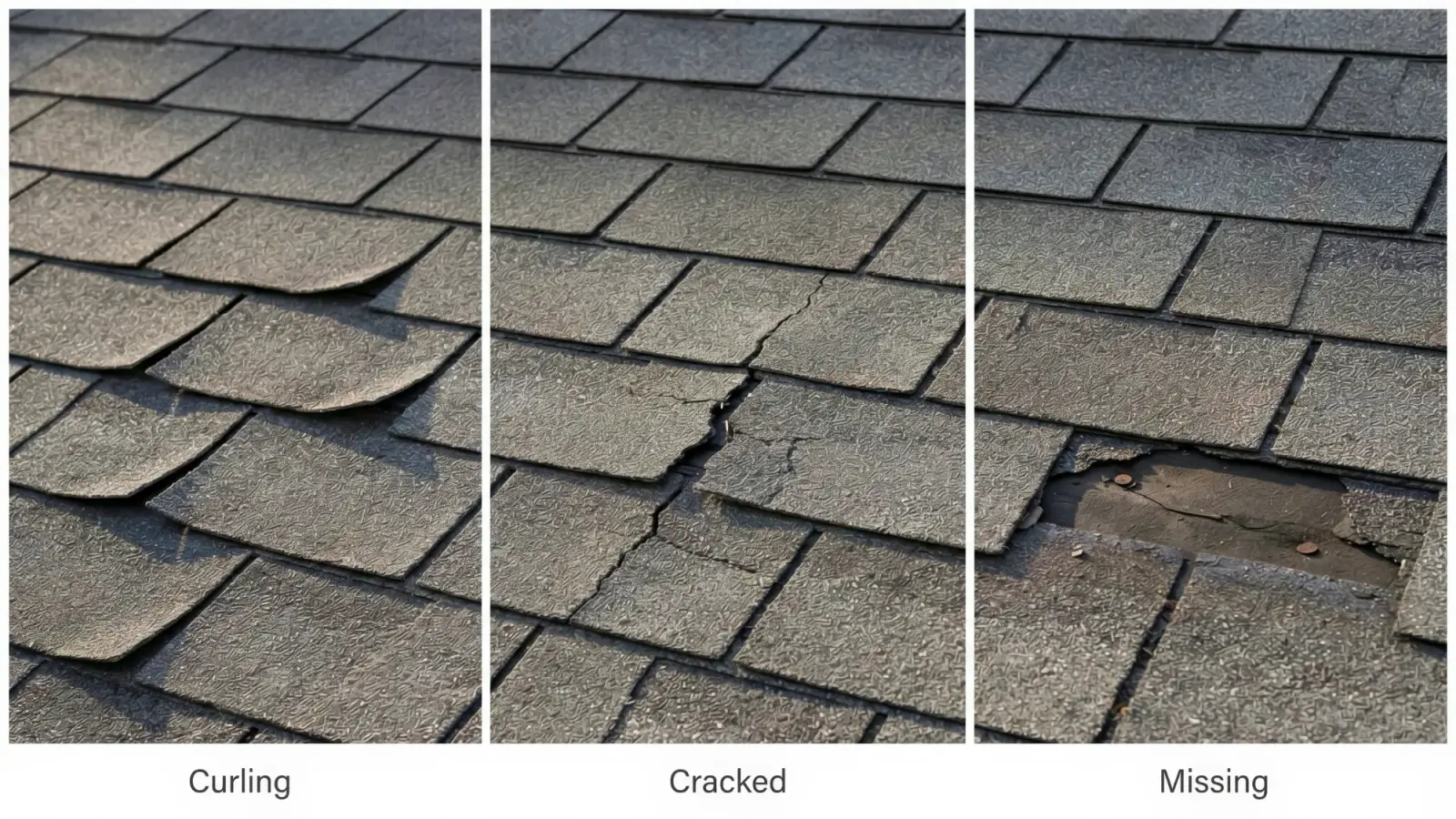
Curling
- What it looks like
- Shingle edges turned up at the corners (cupping), or the middle humped up with the edges down (clawing), usually across a whole slope
- What usually causes it
- Age and sun drying out the asphalt, a hot attic baking the shingles from below, sometimes how they were installed
- How serious
- A sign the shingles are wearing out. Across the roof, it is the most serious of the three for the roof’s future.
- Usual answer
- On one slope, find the cause. Across the roof, plan a replacement.
Cracked
- What it looks like
- A split across a shingle tab, or fine cracks running over the surface
- What usually causes it
- Shingles turned brittle with age and heat, wind flexing a tab that has come loose, foot traffic
- How serious
- A few cracks on a sound roof are a repair. Cracks on shingle after shingle mean the roof has gone brittle.
- Usual answer
- A few: repair. Many, on every slope: plan a replacement.
Missing
- What it looks like
- A gap in the pattern, with dark underlayment or bare wood showing, and often the shingle in the yard
- What usually causes it
- Wind lifting a tab whose seal let go, or nails that didn’t hold
- How serious
- The most urgent today: the layer under the shingles is out in the weather.
- Usual answer
- Usually a repair, soon, if the rest of the roof is sound.
Which Is Most Serious?
- Most urgent today: missing shingles. The underlayment beneath them isn’t built to sit in the sun and rain on its own. Get it covered before the next storm.
- Most serious for the roof’s future: curling across the roof. One curled shingle is a detail. Curling on every slope means the shingles have dried out and are near the end, and repairs won’t stay ahead of it for long.
- It depends: cracked shingles. A couple of cracked tabs are a simple repair. Cracks everywhere mean the shingles are brittle, and brittle shingles crack again when they are handled.
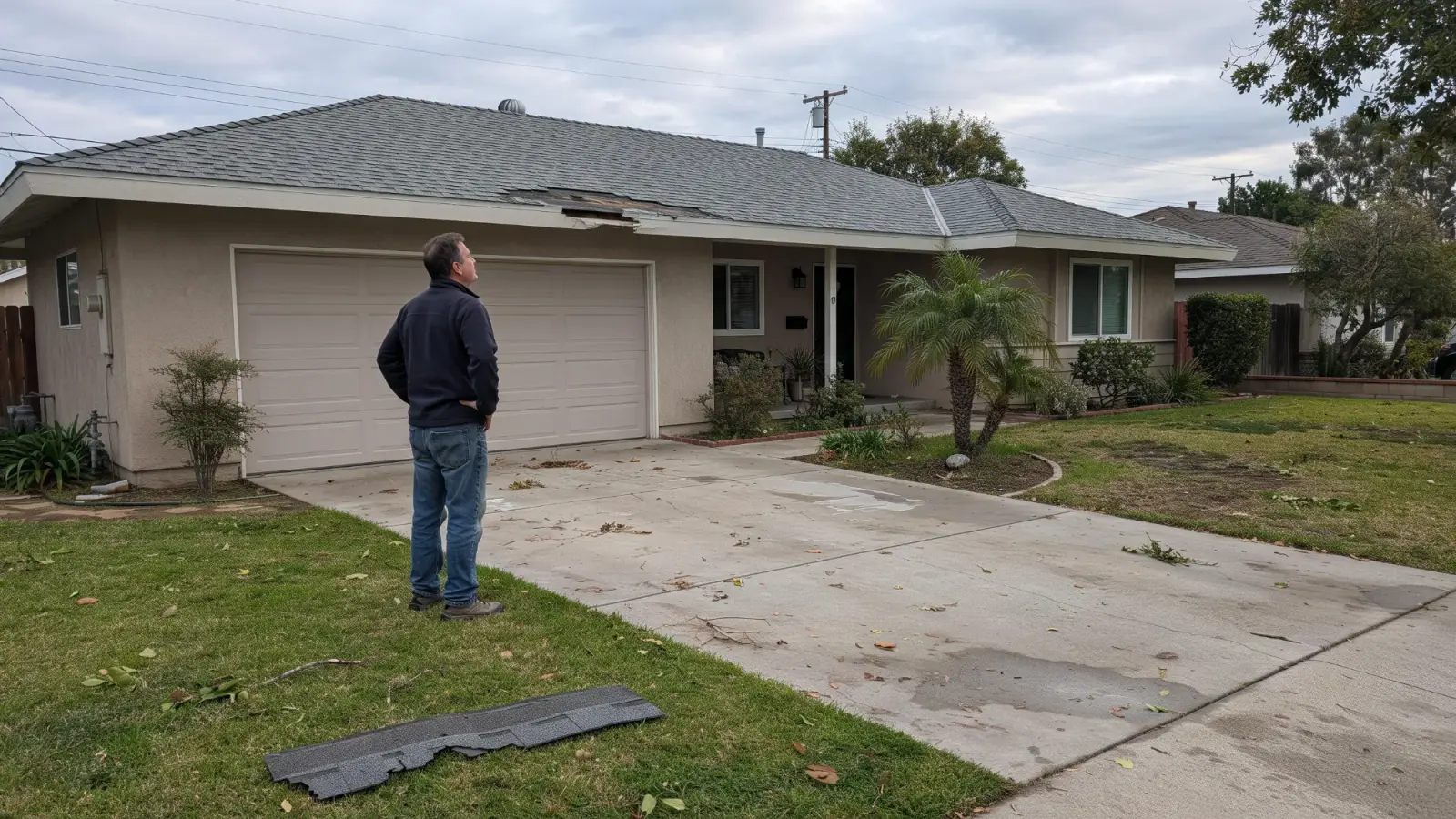
The order changes once water comes in. A stain on a ceiling, from any of the three, moves it to the top of the list. If water is coming in now, call for an emergency roof repair.
Show: Curling Shingles Up Close
Curling comes in two shapes, and both are easiest to see from the side, with the sun low.
- Cupping. The corners and edges of each tab turn up, so the shingle looks like a shallow dish.
- Clawing. The middle of the tab humps up while the edges stay down, like fingers curled under.
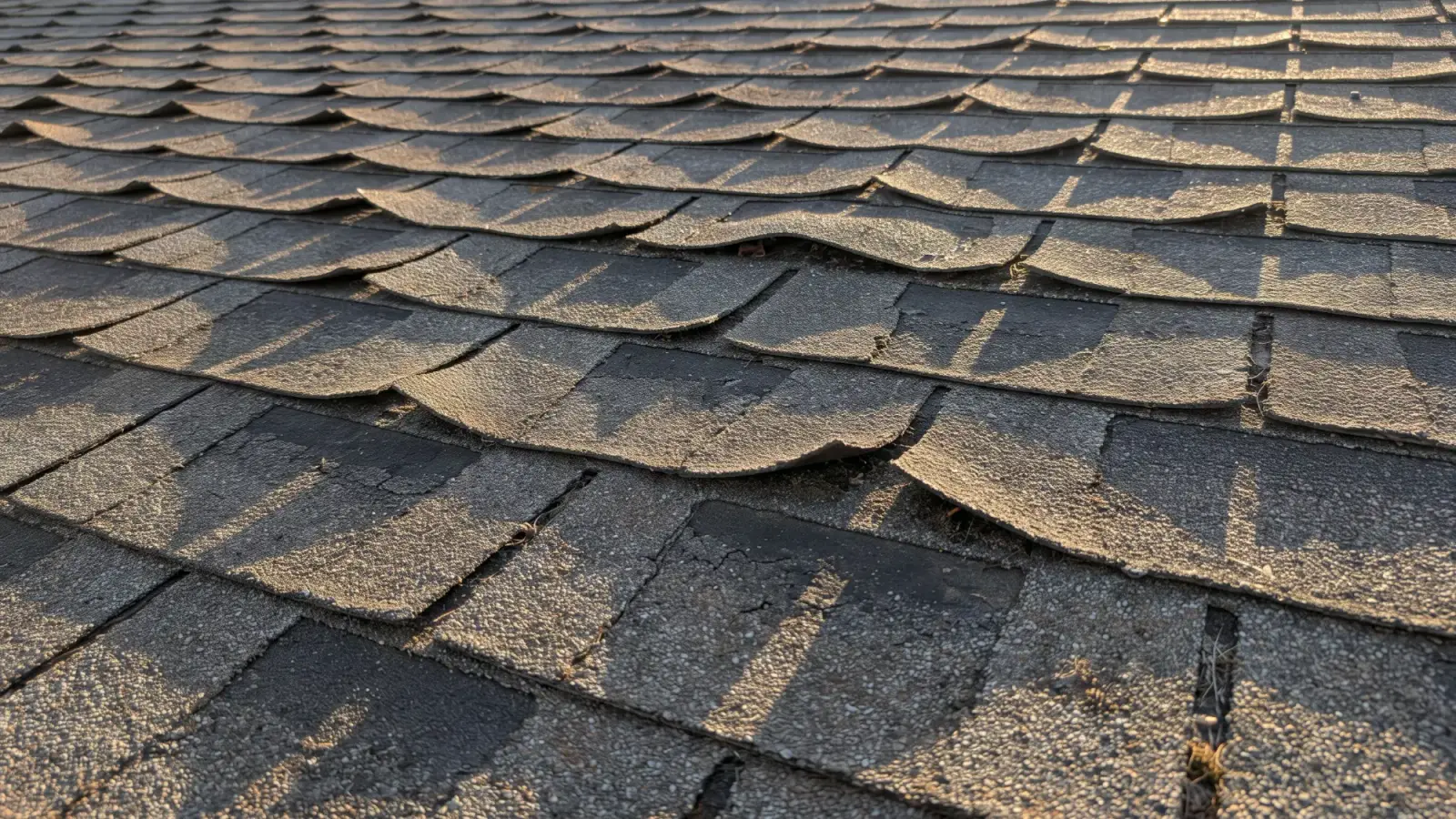
Both mean the asphalt has dried and shrunk. That usually comes with age and sun, and it shows first on the slopes that face south and west. A hot attic speeds it up by baking the shingles from below, so curling on a roof that isn’t old is a reason to have the attic ventilation checked. Curling often travels with granule loss, too: our article on granule loss shows what to look for in the gutters.
Curled shingles catch the wind. Their edges lift, the seal strips let go, and that is how a curling roof turns into a roof with missing shingles after the next windy night.
Show: Cracked Shingles Up Close
Cracks show up in a few different ways, and each one says something different.
- A single split across one tab. Often a tab that came loose and flexed in the wind, or a spot someone stepped on. Usually a repair.
- Cracks on tab after tab, often in a line. The shingles have gone brittle with age and heat. This one points toward a replacement.
- Fine cracks across the surface, sometimes with granules gone. The asphalt is drying out. Read it together with the rest of the roof.
A crack lets water reach the nails and the layer under the shingle. Most single cracks don’t leak right away, but they are where the next leak usually starts.
Show: Missing Shingles Up Close
Missing shingles are easy to spot: a gap in the pattern, a different color showing through, and often the shingle itself in the yard or the gutter after a windy night. Look at what shows in the gap.
- Dark underlayment. The layer under the shingles is still there. It buys you a little time, not a season. Have it covered before the next rain.
- Bare wood. The underlayment is gone too, and water can reach the roof deck. Treat it as urgent.
- A shingle that is creased but still there. It lifted in the wind and folded back. It is about to become a missing shingle.
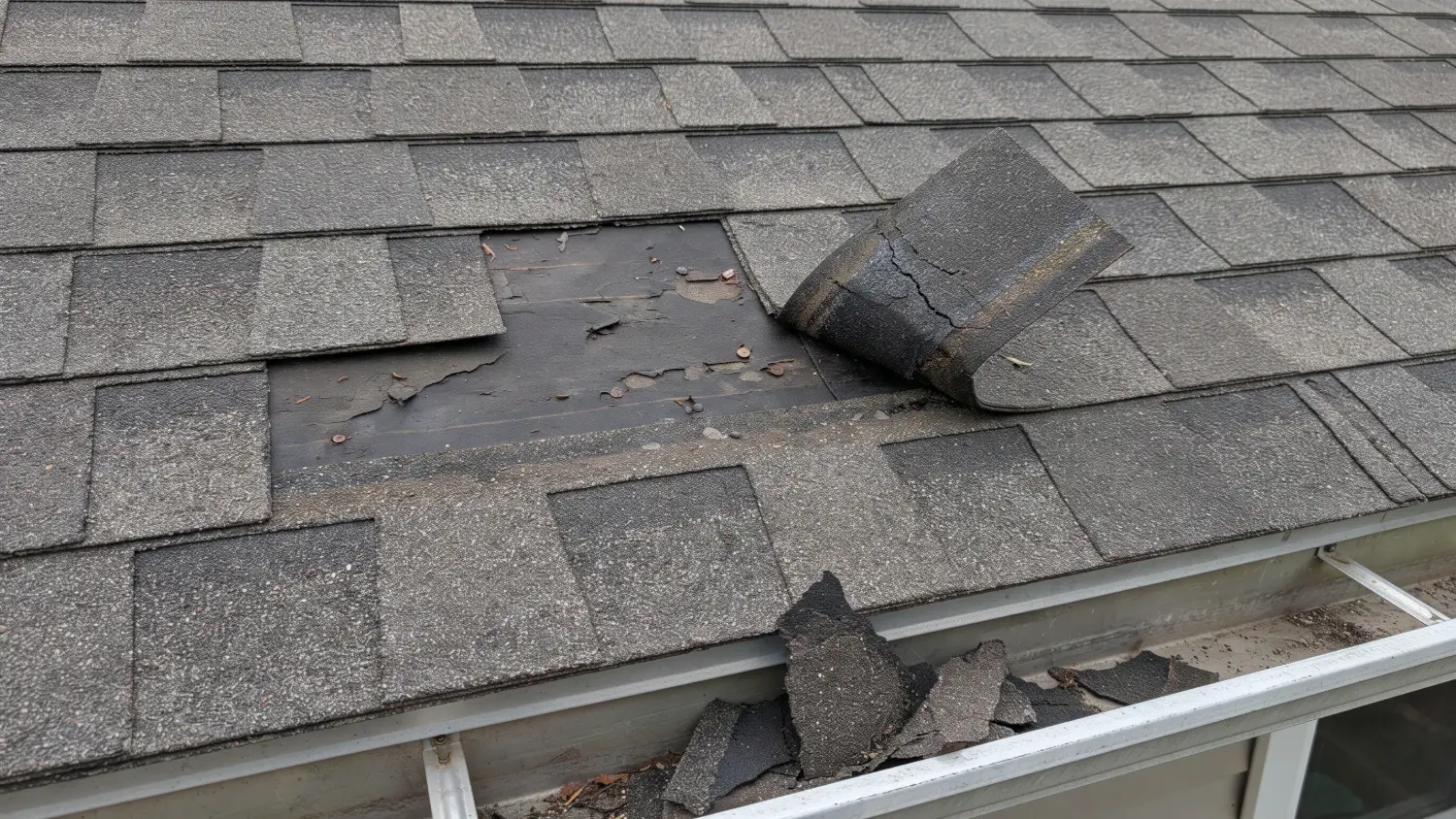
Please don’t climb up to put a shingle back yourself. If water is getting in, our article on how to stop a roof leak covers what you can safely do from inside until a roofer arrives.
Repair or Replace? The Questions That Decide It
Whichever of the three you have, the same questions decide whether a repair makes sense or the roof is due:
- How many shingles are affected: a few, or many?
- Is it on one slope or in one spot, or on every slope?
- How old is the roof, and what does the paperwork from the installation say?
- Are the rest of the shingles still flexible, or brittle and dry?
- Are the granules mostly there, or are there bare patches?
- Has the roof leaked before, in more than one place?
- Does the deck feel soft anywhere, or sag along the roofline?
Then find the row closest to your roof.
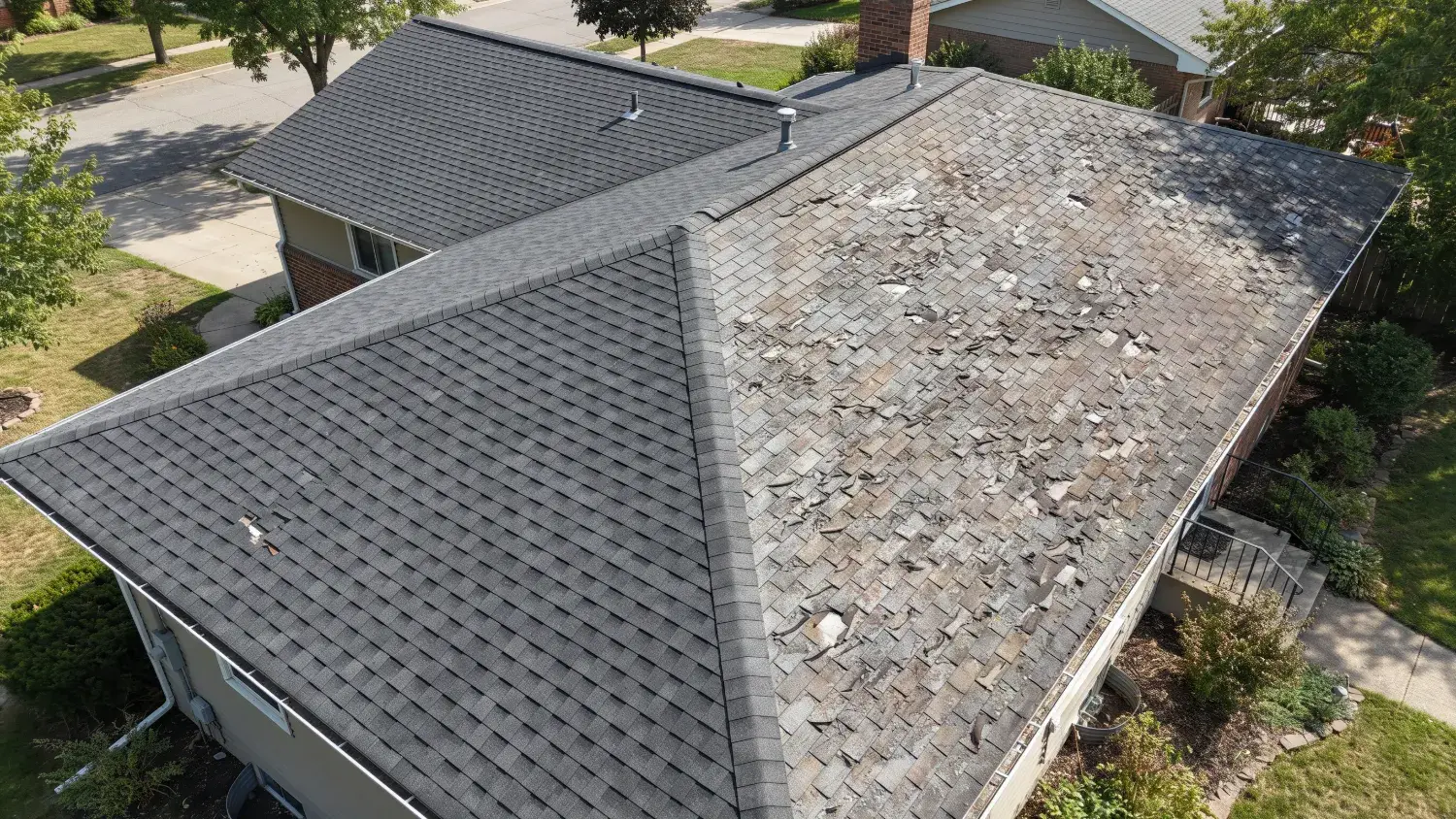
Which of these sounds most like your roof? Tap a card.
Curling
Usually a repair when…
It is on one slope or one area with a cause that can be fixed, such as a hot spot in the attic
Usually a replacement when…
It is on every slope and the shingles are dry and brittle
Cracked
Usually a repair when…
There are a few cracks and the rest of the roof is flexible
Usually a replacement when…
Cracks run tab after tab across the roof
Missing
Usually a repair when…
A few blew off in the wind and the rest of the roof is sound
Usually a replacement when…
They keep coming off, storm after storm, because the shingles around them are worn out
A mix of all three
Usually a repair when…
It is limited to one area and the rest of the roof has life in it
Usually a replacement when…
It is everywhere, with granule loss and more than one leak
Why a Repair on a Worn Roof Is Harder Than It Looks
To replace a shingle, the courses above it are lifted, the new one is nailed in the manufacturer’s nailing zone and the lot is sealed down. On a flexible roof that is routine. On a brittle roof, the shingles around the repair can crack as they are lifted, and the repair grows.
Matching is the other question. A new shingle is the closest available match, but an older roof has faded in the sun, so a repaired spot can show. On a roof in good shape that is a small trade. On a roof near the end, it is a patch on something that is wearing out everywhere.
How We Have the Repair-or-Replace Conversation
At QRS, a roofer looks at your roof before anyone tries to sell you one. For curling, cracked or missing shingles, that means:
- Drone footage and photos of every slope with RoofScan 360®, so you see the problem spots and the rest of the roof side by side.
- A close look at the shingles around the damage: are they flexible or brittle, are the granules there, are the seals holding?
- A check of the flashings, pipe boots and vents, where leaks usually start, and of the attic ventilation.
- One clear next step: repair, monitor, maintain or replace, explained in plain English.
If it is a repair, our roof repair service, LeakRescue®, fixes what failed and shows you photos of the problem and the finished repair. If it is time for a new roof, a shingle roof replacement with our TotalShield® Shingle System takes the old roof down to the deck and builds a complete new system: underlayment, flashings, balanced attic ventilation and new shingles. Most home roof replacements take 3 to 5 days, installs are backed by a 10-year workmanship warranty (call for details), and home replacements can be paid over time with financing through Momnt Financing or Service Financing, subject to credit approval.
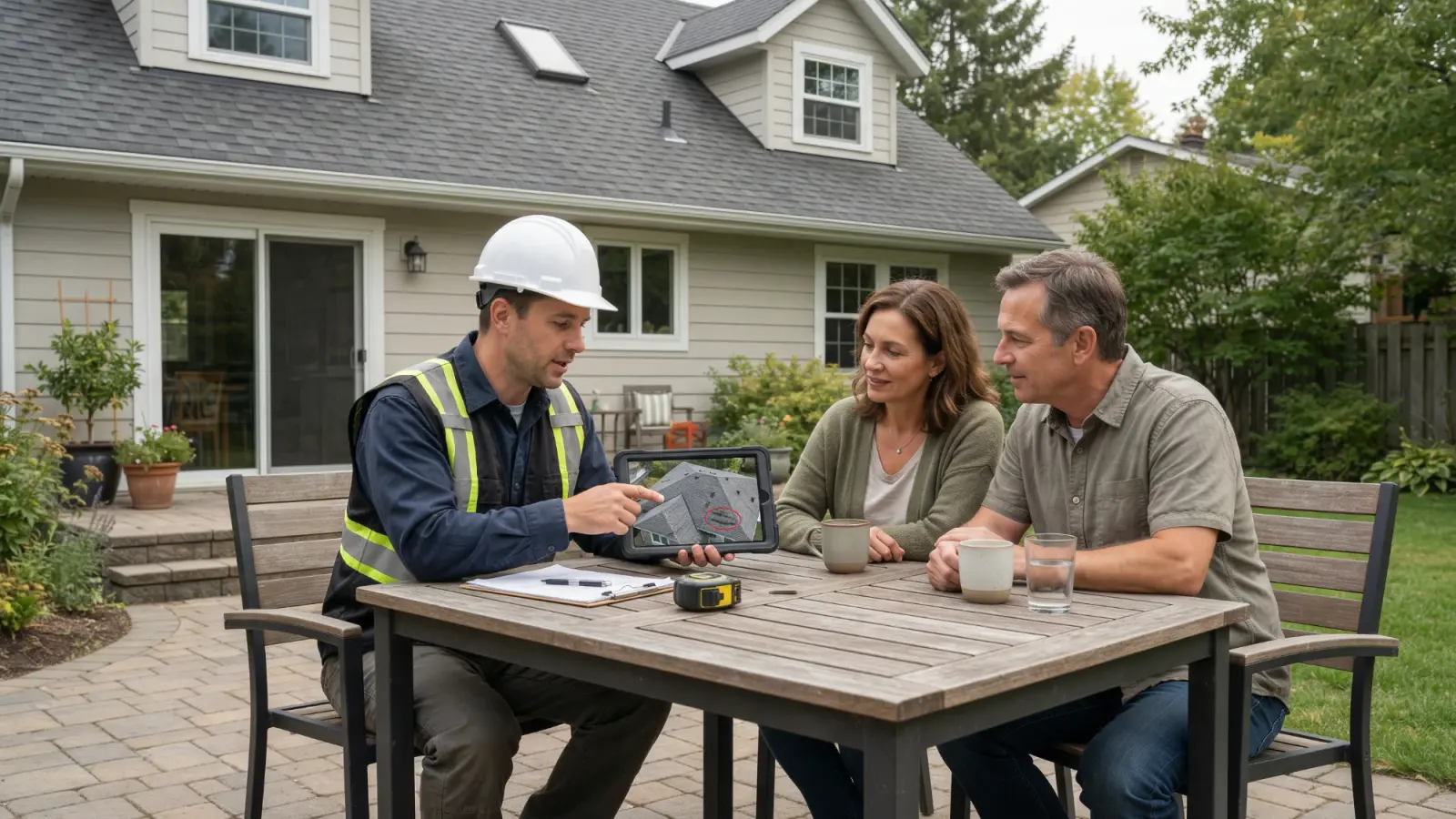
Either way, you get a written scope and price before any work starts. For homes, the roof evaluation is free.
Frequently Asked Questions
Are curling shingles a sign I need a new roof?
Curling across the whole roof usually is: it means the shingles have dried out and are near the end. Curling on one slope or in one area can have a cause worth fixing, such as poor attic ventilation, and may not mean a new roof yet.
Can you replace just a few missing shingles?
Yes, when the rest of the roof is sound. The courses above are lifted, new shingles are nailed in the manufacturer’s nailing zone and sealed, in the closest available match. If the shingles around them are brittle, we will show you the photos and tell you.
Is a cracked shingle an emergency?
Usually not. A single crack rarely leaks right away, but it is where the next leak tends to start, so have it repaired before the rainy season. If water is already coming in, it is an emergency call.
Will new shingles match my old roof?
We use the closest available match. An older roof has faded in the sun, so a repaired spot can show a little. On a roof with plenty of life left, that is usually a fair trade for a repair.
Does insurance cover missing shingles?
Your insurer decides that, case by case, usually depending on whether a storm caused the damage or the roof wore out. We give you photos and a written scope you can share with them. Our article on roof insurance claims explains the process.
Can new shingles go over curled or cracked ones?
We don’t lay new shingles over a worn roof. New shingles over old weak points only hide them, so a replacement takes the old roof down to the deck and builds a complete new system from there.
Not Sure Which One You’re Looking At?
Send us the photos, or let a roofer look. A free roof evaluation shows you every slope in drone footage and photos, tells you whether it is a repair or a new roof, and comes with a written scope and price before any work. Call (310) 340-1643 or request your evaluation. If water is coming in now, it is an emergency roof repair call.
Part of our asphalt shingle roof guide.
