

Can You Put New Shingles Over Old Shingles? Myth vs. Fact
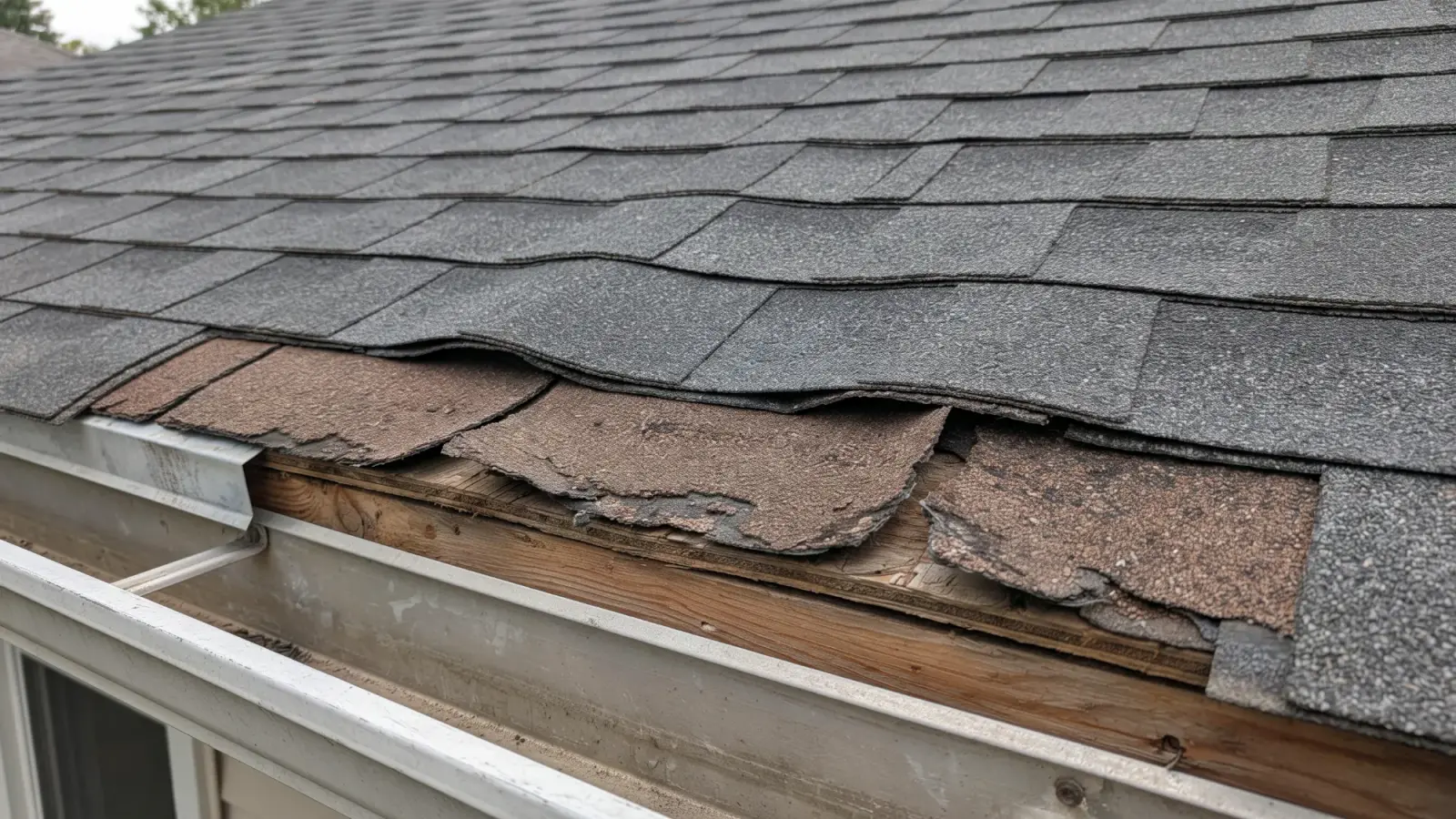
Putting new shingles over old shingles, an “overlay” or “roof-over,” sounds like a shortcut with no downside: no tear-off, less mess, a new-looking roof by the weekend. In some places the building code even allows it, once.
But a new roof is only as good as what it sits on, and an overlay leaves the old roof, and everything wrong with it, underneath. Below are six common myths about overlays and the facts behind them, a side-by-side comparison with a tear-off, and why we take every shingle roof we replace down to the deck.
Six Myths About Roofing Over Old Shingles, and the Facts
Myth 1: An overlay is just as good as a tear-off
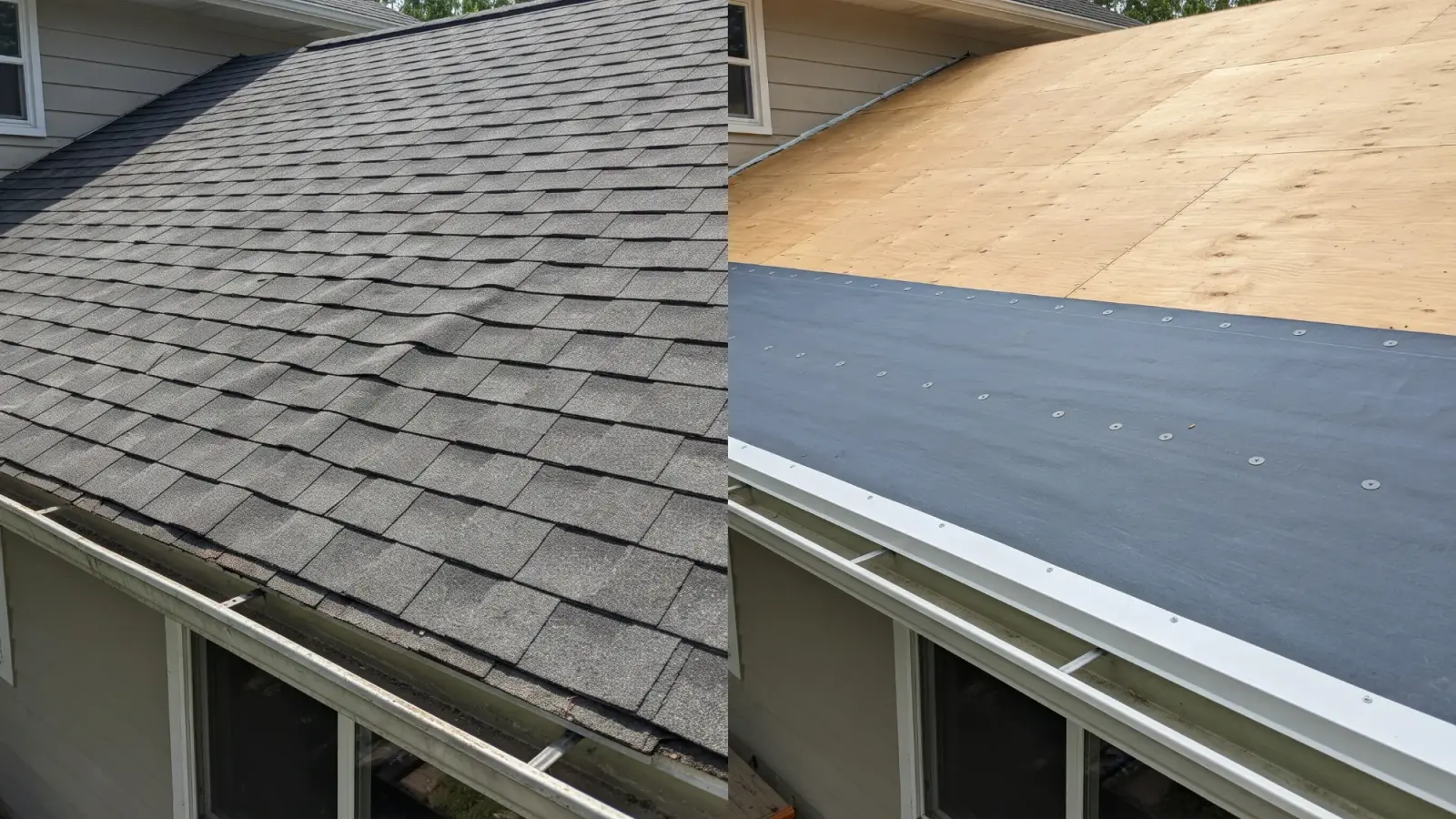
Fact: An overlay is a new surface on an old roof. The deck, the old underlayment and the old flashings all stay where they were, unseen. A tear-off is a new roof: everything comes off down to the deck, and the deck itself gets checked before anything covers it.
Myth 2: The old shingles act as extra protection
Fact: Old shingles aren’t underlayment. They are worn, brittle and often curled, and the new shingles lie on top of every bump, so they don’t sit flat or seal down evenly. The water barrier that matters is the underlayment on the deck, and an overlay doesn’t replace it.
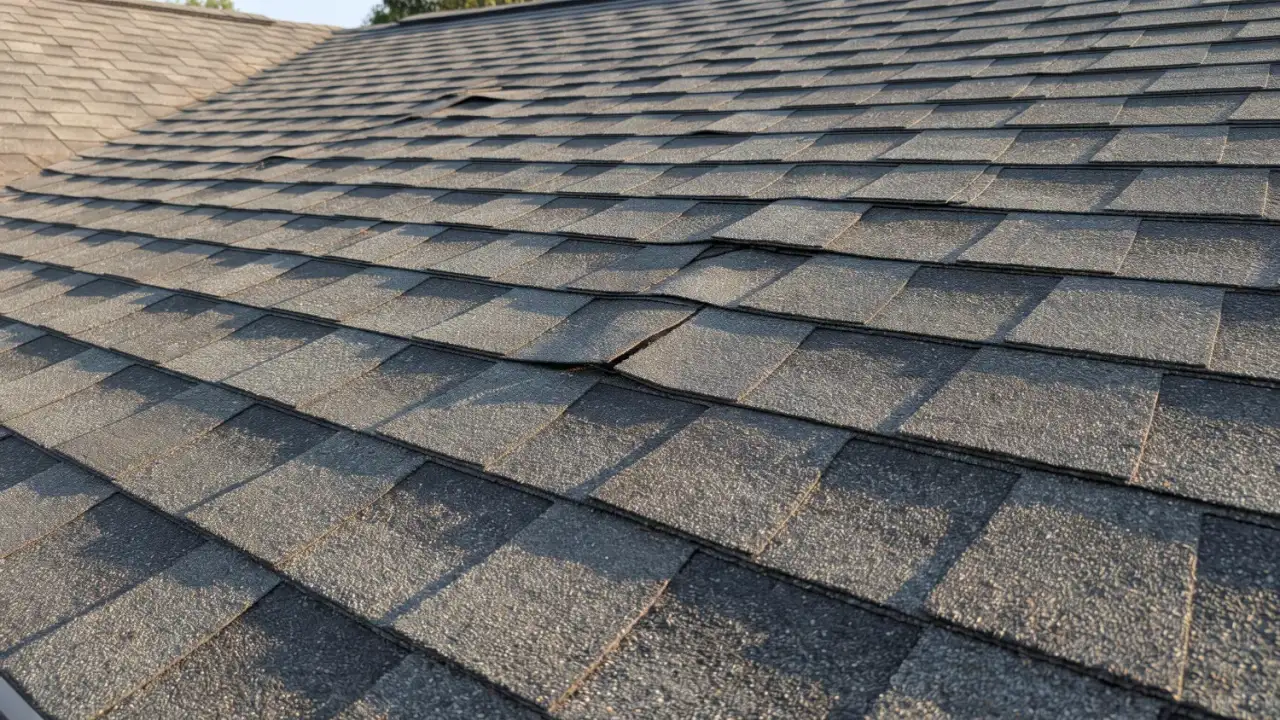
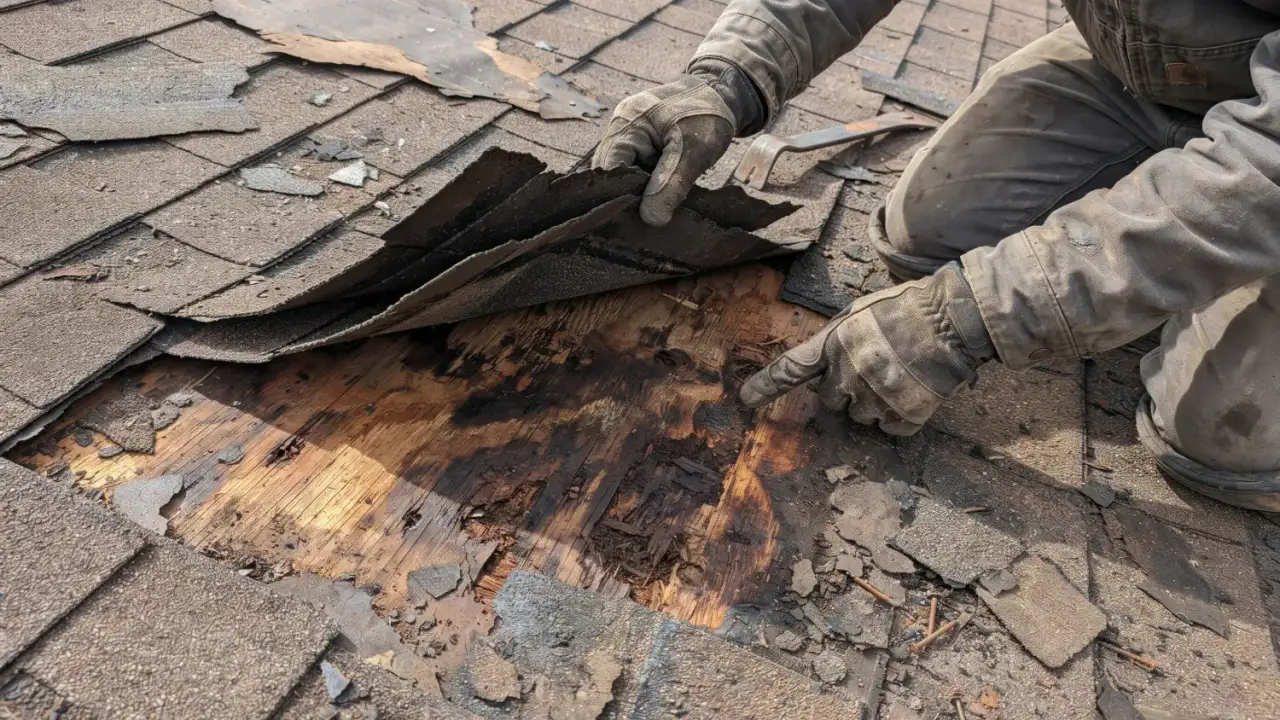
Myth 3: If the roof looks fine, the deck is fine
Fact: Soft or rotted deck from an old leak doesn’t show from the roof surface. Covering it with a second layer means nobody sees it until it gives way underfoot or starts to sag. Our guide to a sagging roofline shows where that can lead.
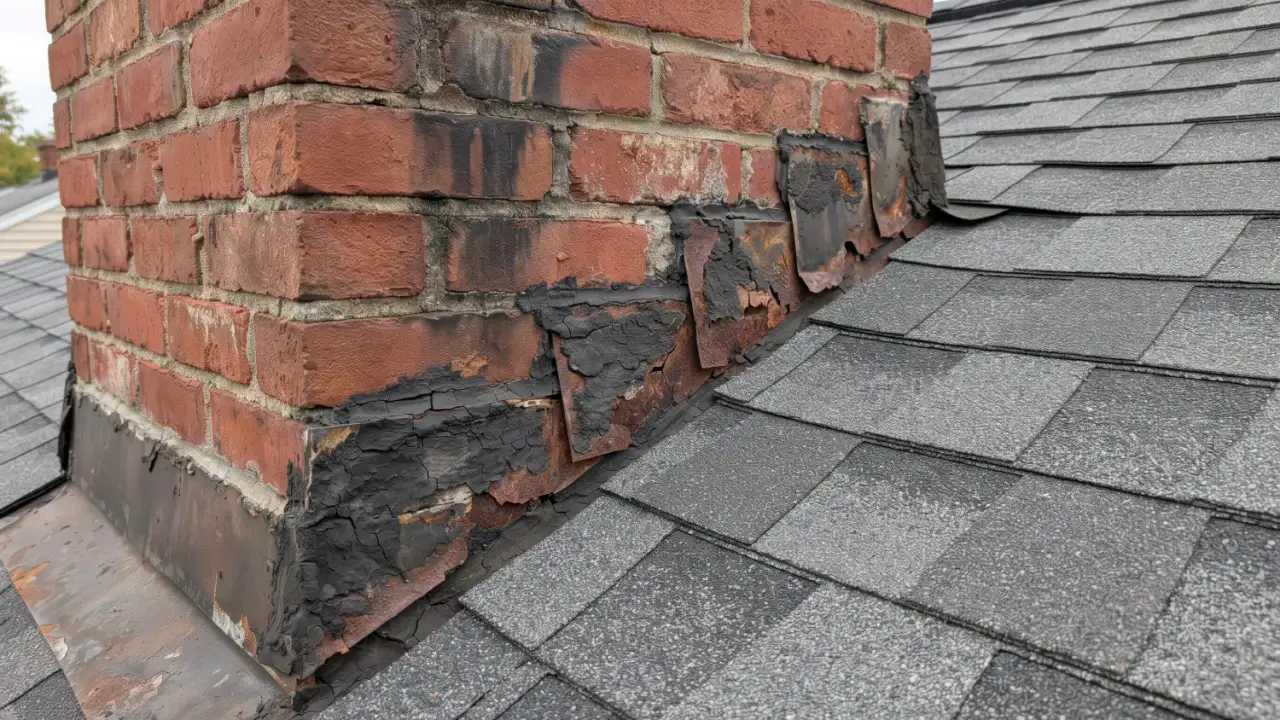
Myth 4: The old flashings can stay
Fact: Flashings at chimneys, walls, vents and valleys are where many leaks start. An overlay usually works around them or reuses them, so the weak points of the old roof become the weak points of the new one. Our article on failing chimney flashing shows what those look like.
Myth 5: Two layers can’t hurt
Fact: Two layers add weight to the framing, hold more heat, and make nails reach through both layers before they find the deck. They also make the next repair harder: a roofer chasing a leak has two roofs to look through.
Myth 6: An overlay saves money in the end
Fact: It saves the tear-off now and adds it later. When the overlay wears out, both layers have to come off, and whatever was wrong underneath has had years to get worse. You can usually spot an overlay from the ground: two layers at the roof edge, or courses that look lumpy. Our guide to finding out how old your roof is shows how.
Overlay vs. Tear-Off, Side by Side
When an Overlay Is Even Allowed
Building codes generally allow one new layer of asphalt shingles over a single existing layer, and only when that roof is in sound condition. They generally don’t allow it:
- Over a roof that already has two layers.
- Over a roof that is wet, soft or deteriorated.
- Over tile, slate or wood shakes.
Your city or county building department has the final word, and the permit for a reroof says what it allows. Our guide to roofing permits explains how permits work in the cities around us. “Allowed once” is not the same as “a good idea,” which is the rest of this article.
Questions to Ask a Roofer Who Suggests an Overlay
Why We Tear Off Every Shingle Roof We Replace
We do full tear-offs. Our TotalShield® Shingle System is a shingle roof replacement from the deck up:
Permit first. We pull the permit and protect your landscaping with tarps before the tear-off starts.
Tear off. Every layer of the old roof comes off, down to the deck.
Check the deck. Soft or damaged sections are replaced, so the new roof sits on something sound.
Build it new. New underlayment, flashings, drip edge and balanced attic ventilation, then the new shingles and ridge caps.
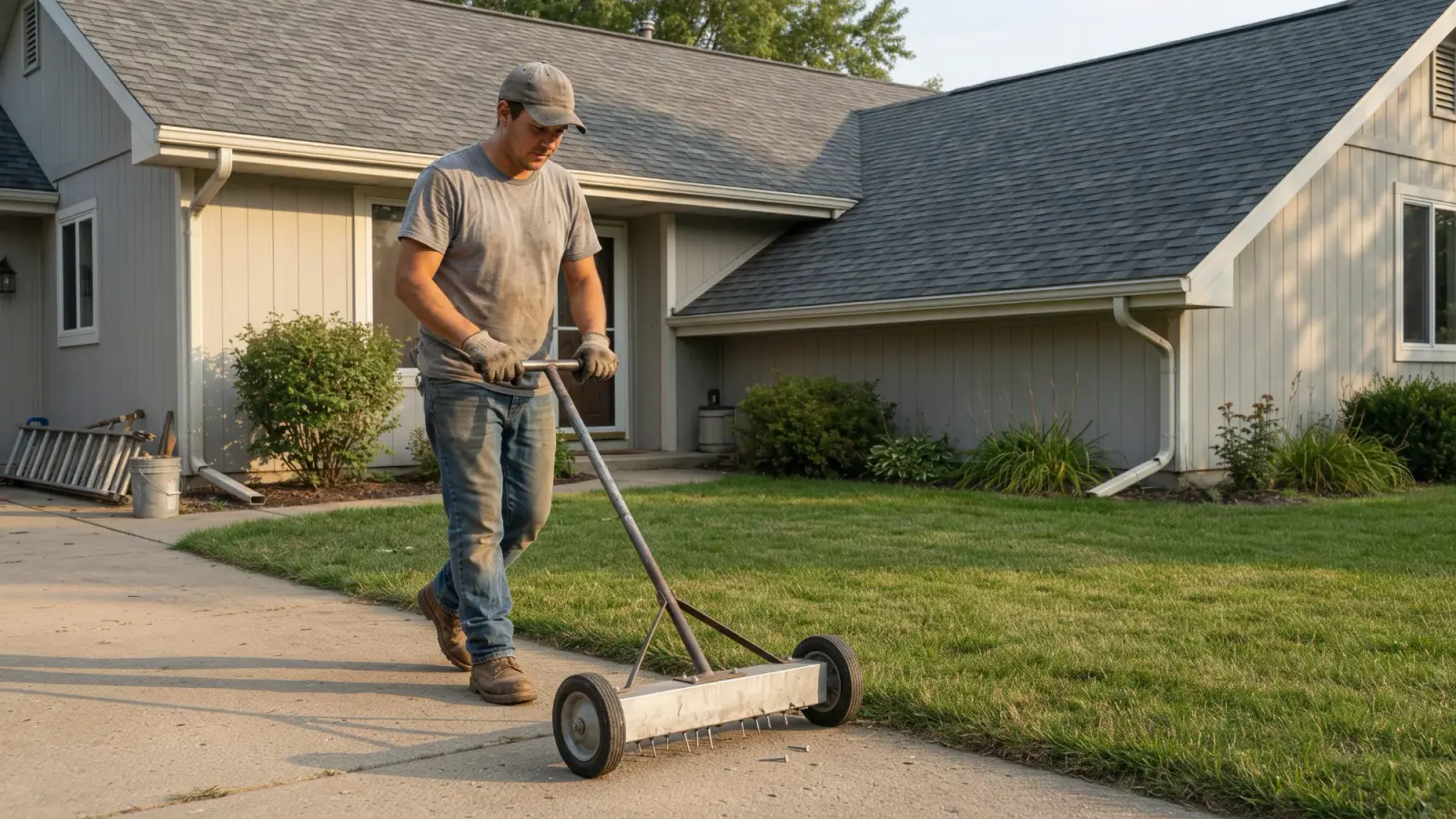
Clean up. A magnetic nail sweep of the yard and driveway, and a walk-through of the finished roof.
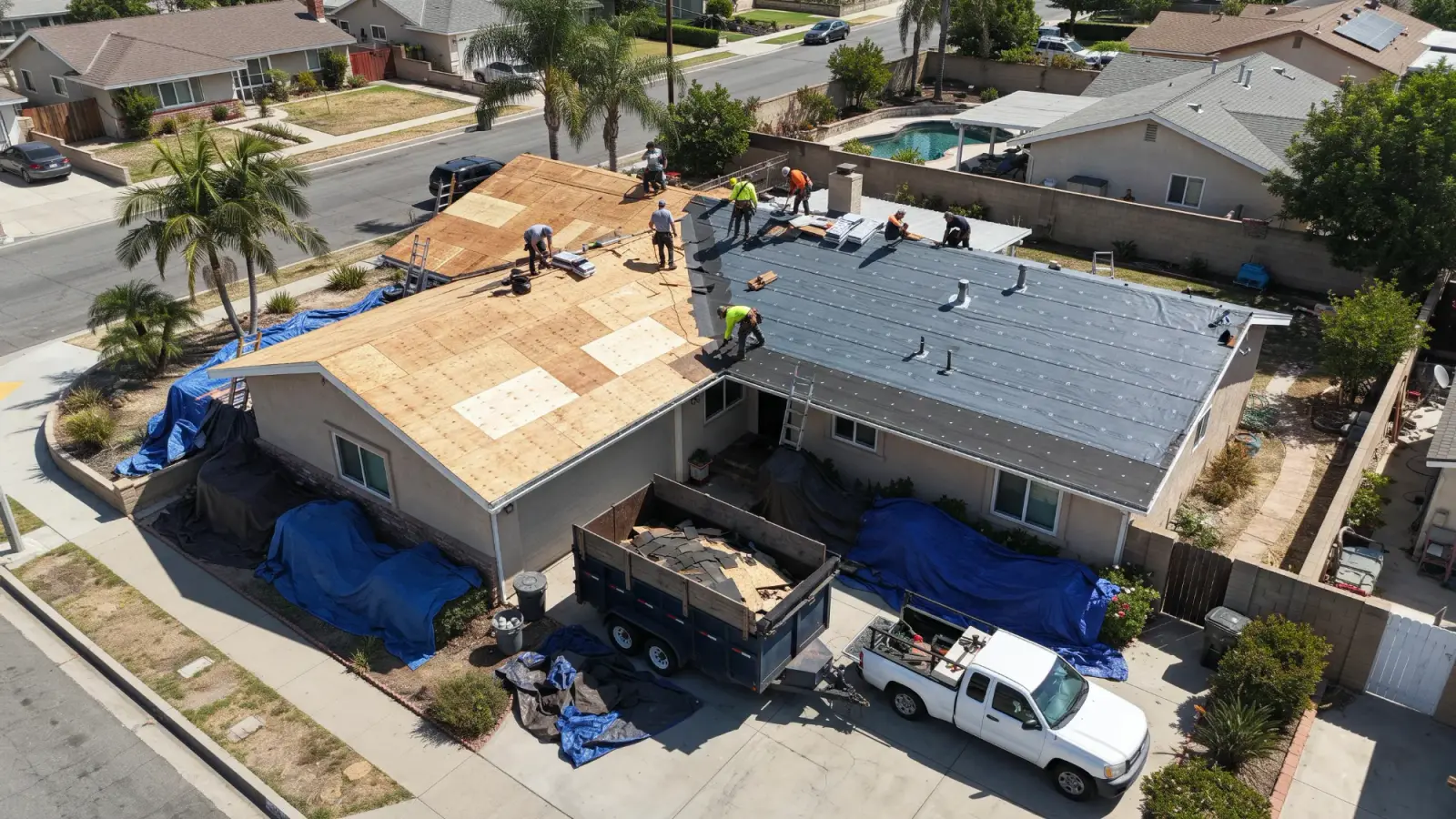
Most home roof replacements take 3 to 5 days. You get a written scope and price before any work starts, and roof financing is available for home replacements, subject to credit approval.
Frequently Asked Questions
Can you put new shingles over old shingles?
Building codes generally allow one new layer over a single existing layer of asphalt shingles in sound condition, but not over two layers, a wet or deteriorated roof, or tile. Allowed isn’t the same as a good idea: an overlay leaves the deck, the old underlayment and the old flashings unseen. We do full tear-offs.
Is a roof overlay cheaper than a tear-off?
Up front, usually, because the tear-off is skipped. But when the overlay wears out, both layers have to come off, and anything wrong underneath has had years to get worse. Ask for both prices in writing and compare what each one includes.
How many layers of shingles can a roof have?
Codes generally allow no more than two, and many roofs with two layers can’t take a third. Your building department decides for your roof. A tear-off takes the roof back to one layer.
How can I tell if my roof already has two layers?
Look at the edge of the roof from the ground or a ladder at the gutter: two layers often show as a double edge. Lumpy, uneven courses can also be a sign. A roofer can confirm it during a roof evaluation.
Do you install new shingles over old roofs?
No. We do full tear-offs, so we can check the deck, replace worn flashings and give the new shingles a flat, clean surface to lie on.
How long does a tear-off take?
Most home roof replacements, tear-off included, take 3 to 5 days. The size of the roof, its pitch, any deck repairs and the weather can change that.
Thinking About a New Shingle Roof?
Start with what is under the old one. Book a free roof evaluation and you get drone footage and photos of your roof, a plain-English answer on repair or replace, and a written scope and price before any work. Or call (310) 340-1643.
