

What a Yearly Roof Tune-Up Catches: Ride Along on a Visit

A roof tune-up is one focused visit for a roof that is basically sound but showing its age in small ways: a lifted shingle tab, a split pipe boot, a slipped tile, a valley full of leaves. None of them leaks yet. Each of them is how a leak usually starts.
Here is what one of our roofers actually does on a yearly visit, stop by stop, the problems those stops tend to catch, what a tune-up doesn’t cover, and how to choose between a one-time RoofRevive® tune-up and the yearly visits of a RoofCare Plan®.
Why Once a Year Makes Sense Here
Most of the year, a roof here sees sun, not rain. It heats and cools every day: sealant dries and cracks, shingles go brittle and shed granules, and tiles slip a little at a time. None of that waits for a storm, but a storm is when you find out about it.
A yearly visit timed before the rains catches that slow wear while it is still a small fix, and the photos from each visit build a record of the roof you can compare year to year.
Ride Along: One Visit, Stop by Stop
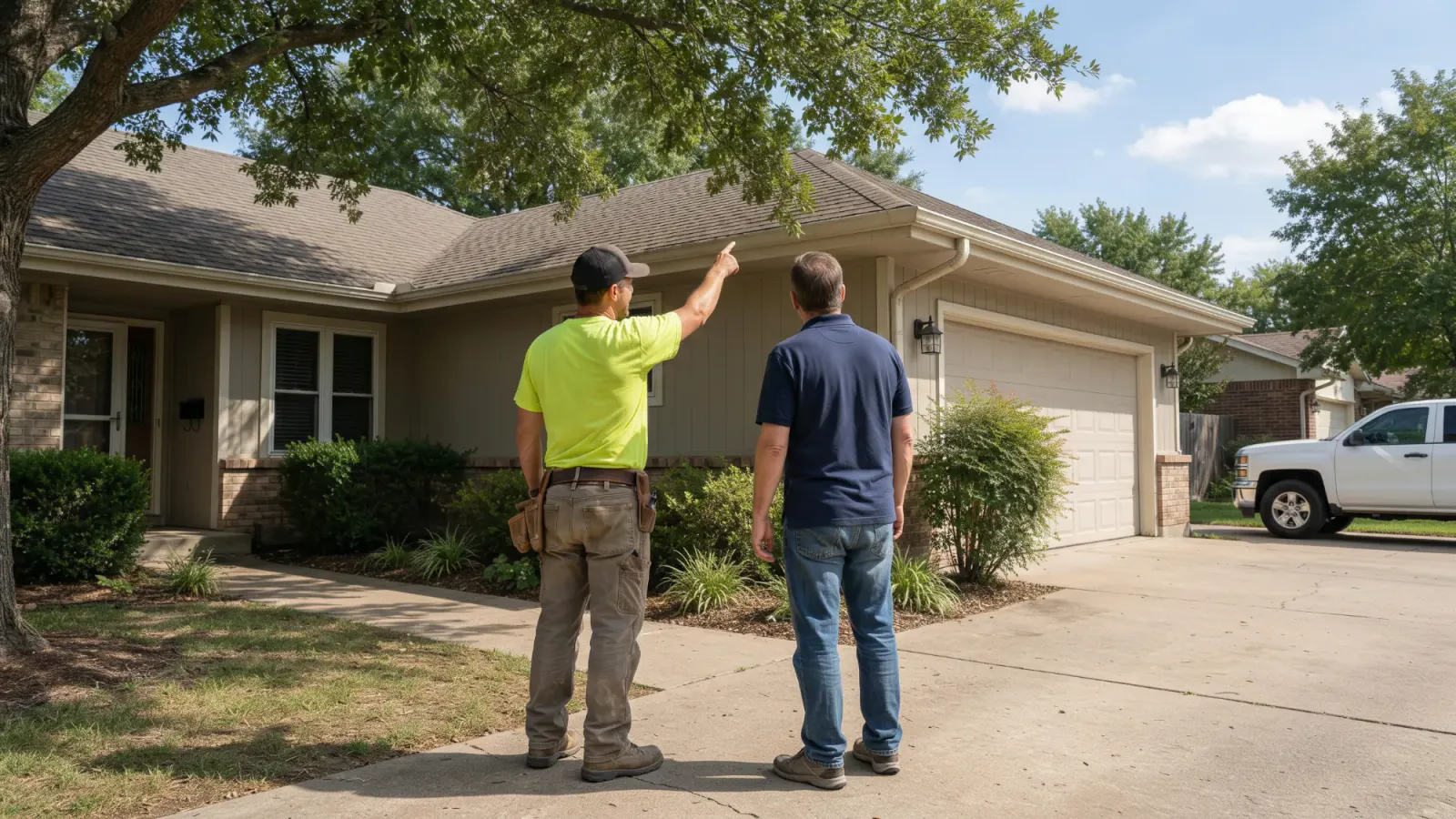
From the driveway. Before anyone climbs, the roofer walks around the house and looks at the roofline, the gutters, the downspouts and the trees over the roof, and asks you about anything you have noticed inside.
Photos before the work. The roof is photographed as it is, including anything already cracked or worn, so the report shows what was there before the visit.
The gutters and downspouts. Cleared of debris so water can leave the roof, and checked for granules washing off the shingles.
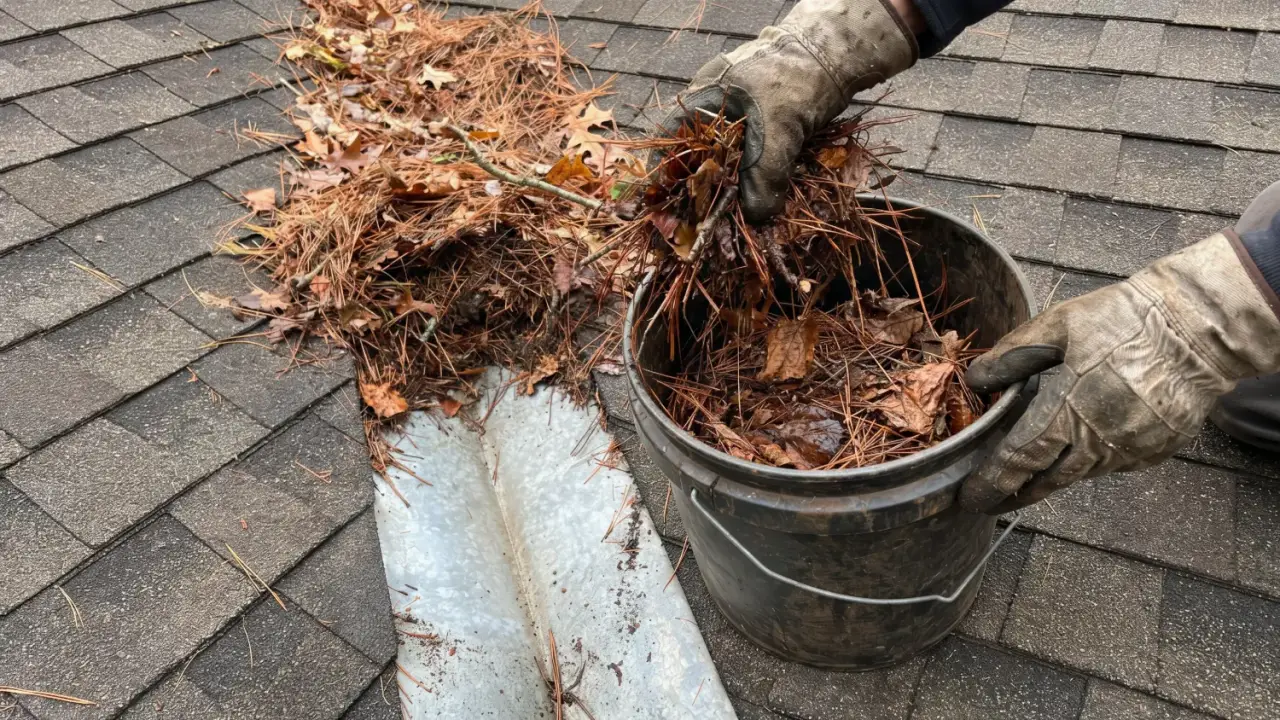
The valleys. Where two slopes meet and debris piles up
Cleared and checked for worn or lifted roofing along the metal.
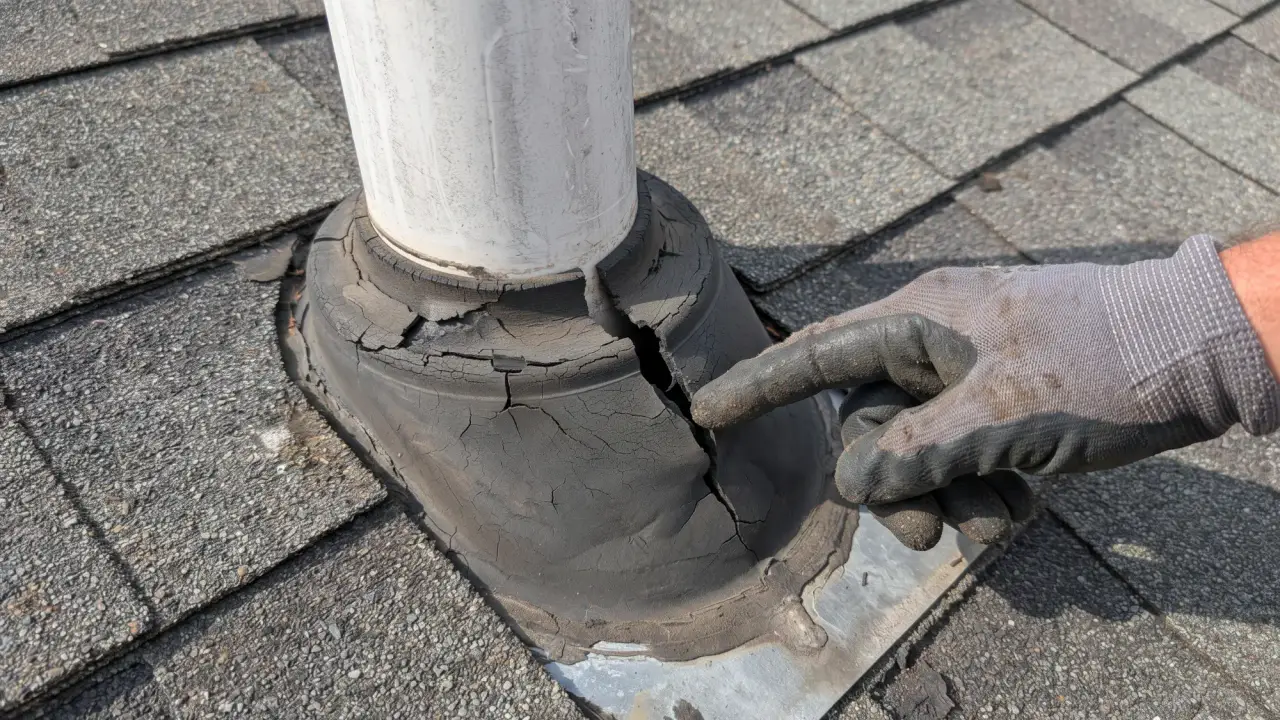
Everything that comes through the roof. Pipe boots, vents, skylights and the chimney, where most leaks start. Cracked boots and dried sealant are noted, and sealant is topped off.
The flashings. Where the roof meets walls and chimneys, checked for slipped, rusted or open pieces.
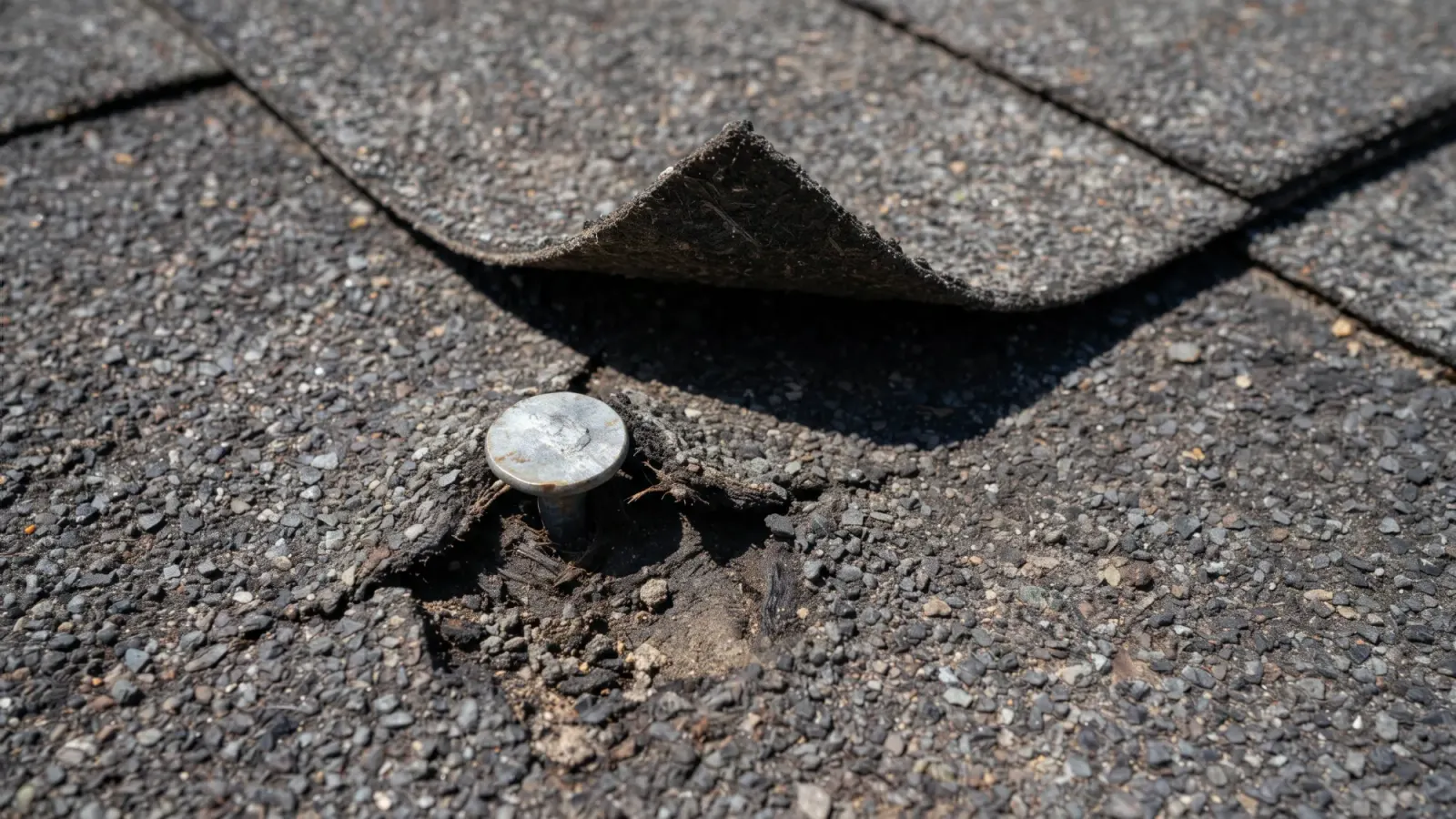
The field of the roof. On shingles: lifted tabs, nail pops and missing pieces
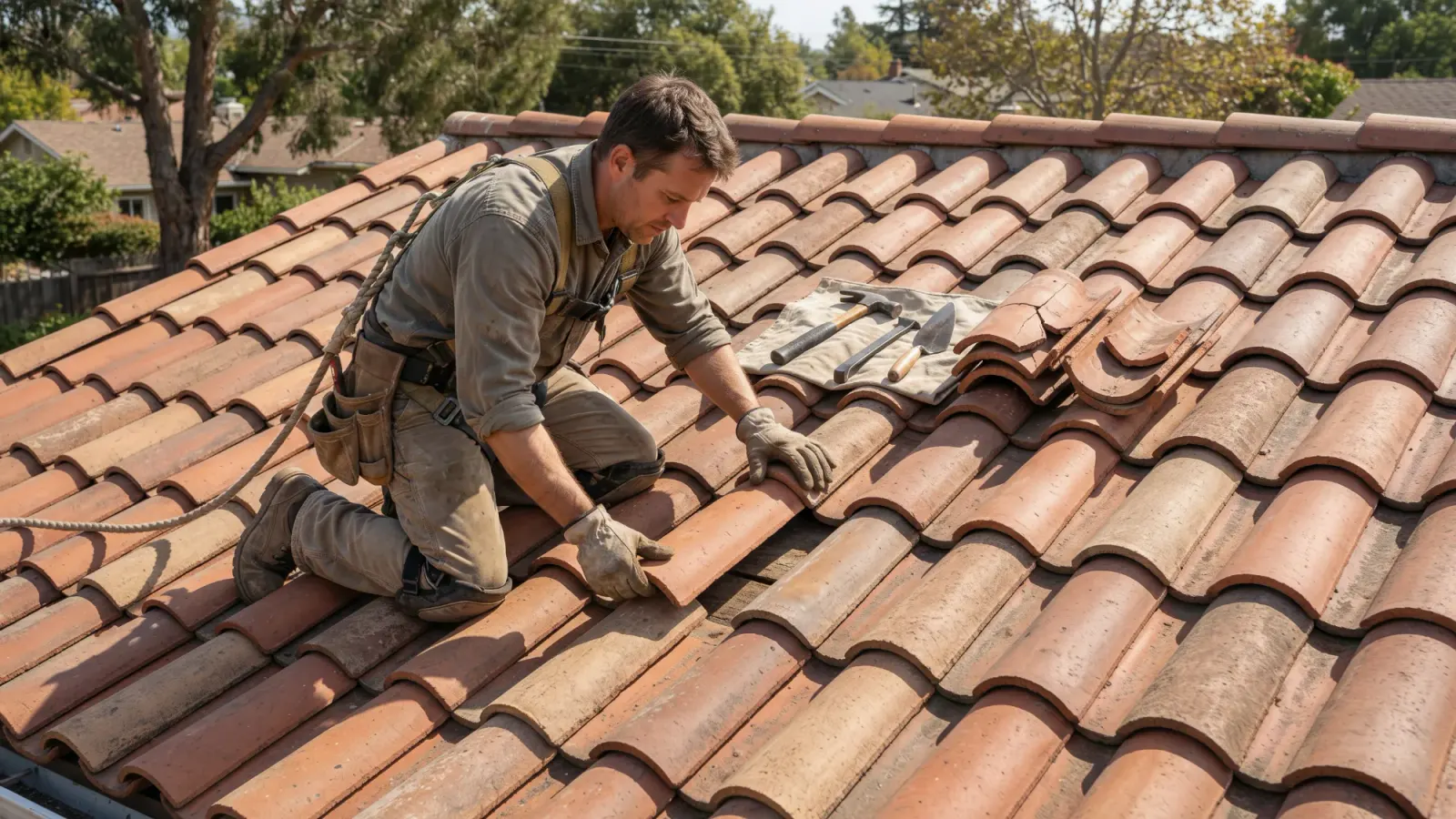
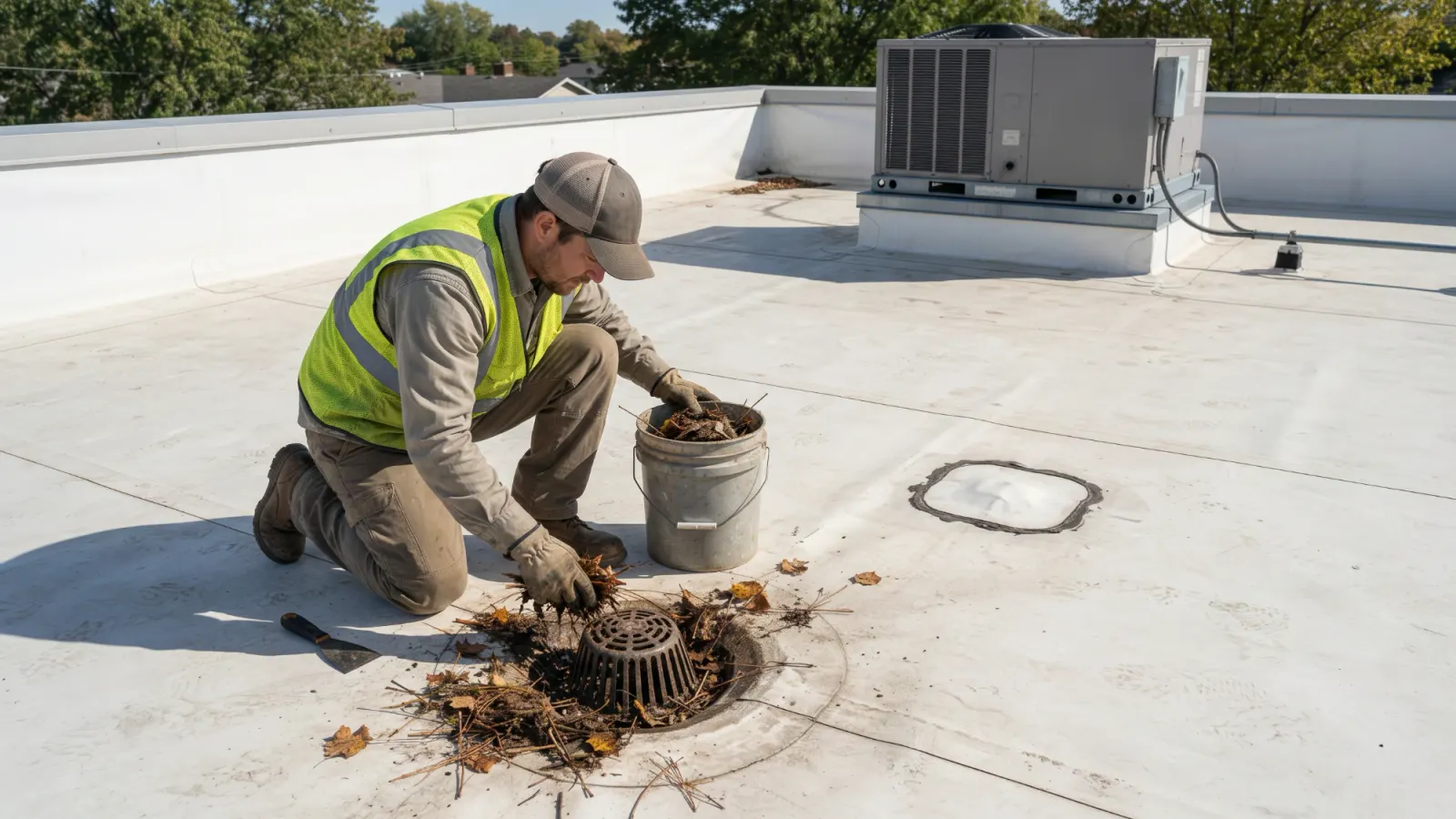
On tile: slipped, loose or cracked tiles, ridge mortar and bird stops. On a flat roof: seams, laps, blisters and the drains and scuppers.
The vents for fire season. Attic and soffit vent screens and eave closures, checked and photographed.
The photo report. What was found, what was done, and anything else worth fixing, with a price.

What a Tune-Up Catches
Lifted shingle tabs
- Left alone, it becomes
- Shingles that blow off in the next strong wind
- What the visit does
- Hand-sealed back down
Nail pops
- Left alone, it becomes
- Holes in the shingle above, where water gets in
- What the visit does
- Reset
A split pipe boot
- Left alone, it becomes
- One of the most common leaks into a bathroom or kitchen ceiling
- What the visit does
- Replaced on a tune-up
Dried, cracked sealant at flashings
- Left alone, it becomes
- Water running behind the flashing in heavy rain
- What the visit does
- Renewed
Slipped or loose tiles
- Left alone, it becomes
- Sun and water reaching the underlayment beneath them
- What the visit does
- Reset
A few cracked tiles
- Left alone, it becomes
- Openings that grow with every storm
- What the visit does
- Replaced with the closest available match on a tune-up
Valleys and gutters full of debris
- Left alone, it becomes
- Water backing up under the roofing
- What the visit does
- Cleared
A clogged flat roof drain or scupper
- Left alone, it becomes
- Ponding and leaks at the drain
- What the visit does
- Cleared
Small blisters and splits on a flat roof
- Left alone, it becomes
- Openings in the membrane
- What the visit does
- Patched on a tune-up
Our roof maintenance checklist lists what you can keep an eye on yourself between visits.
What a Tune-Up Doesn’t Cover
- An active leak that needs tracing
If the source isn’t small and obvious, a roof repair is the right fit, and we will tell you so.
- Worn underlayment under tile
That is a tile lift and relay, planned on your timeline.
- A roof that is worn out across the board
A tune-up buys time on a sound roof; it isn’t a substitute for a replacement.
- Decking, structural or interior repairs
- Skylight, solar, chimney and gutter repair or replacement
- Tree trimming
That goes to a tree service; our guide to tree branches over your roof explains which ones matter.
A One-Time Tune-Up or a Yearly Plan?
Both start from the same idea: catch small wear before it becomes a leak. The difference is how often and what comes with it.
Which of these sounds most like your roof? Tap a card.
Sound, but showing its age in small ways, and it hasn’t been looked at in years
Usually the better fit
A one-time RoofRevive® tune-up
Why
One visit, a written list of fixes and one price before any work, and photos of every fix
Sound, and you want it checked every year before the rains
Usually the better fit
A RoofCare Plan®
Why
Scheduled visits, a photo report every time and a running record of the roof
A tile roof or a hillside home
Usually the better fit
A RoofCare Plan® with two visits a year
Why
Before and after the rains, so slipped tiles and what the winter moved are caught early
Almost new
Usually the better fit
A RoofCare Plan®
Why
Many manufacturer warranties have maintenance conditions, and the visits build the record
Leaking now, or worn across the roof
Usually the better fit
A repair or a replacement first
Why
A tune-up is for a roof that is basically sound
It often makes sense to start with a tune-up, then move into a plan. Plans are month to month: you pay after each visit and can cancel any time. See roof maintenance plans for the details.
When to Book a Tune-Up
What You Get at the End of the Visit

- Photos of the roof as it was, and of every fix.
- A written photo report with a condition rating, yours to keep.
- A priced list of anything we recommend beyond the visit, with no obligation.
- One of our own roofers, every time, never a call-center technician or an outside crew.
Frequently Asked Questions
What is a roof tune-up?
One focused visit for a roof that is basically sound but showing its age in small ways. A roofer checks the roof, fixes the small problems on a written list with one price before any work, and photographs every fix.
What does a roof tune-up include?
It depends on the roof. On shingles: lifted tabs resealed, nail pops reset, flashing sealant renewed, split pipe boots and broken shingles replaced, valleys cleared. On tile: slipped tiles reset, a few cracked ones replaced, vents and flashings resealed, valleys and eaves cleared. On a flat roof: flashings resealed, edge metal secured, small blisters and splits patched, drains and scuppers cleared.
How often should I have a roof tune-up?
Once a year, before the rains, works for most sound roofs. Tile roofs and hillside homes benefit from a second visit after the rains to catch what the winter moved.
Is a tune-up the same as a maintenance plan?
Not quite. A RoofRevive® tune-up is a one-time visit to fix a list of small issues. A RoofCare Plan® is ongoing, with scheduled visits and a running photo record. Many homeowners start with a tune-up and then move into a plan.
Will a tune-up fix an active leak?
Sometimes, if it comes from a small, obvious source like a split pipe boot, a slipped tile or a clogged drain. Leaks that need tracing, or that come from worn underlayment or a failed flashing, need a proper roof repair.
When is the best time for a roof tune-up?
Late summer and fall, after the hottest months and before the winter storms. It also makes sense after strong winds, after other trades have been on the roof, and before you sell or soon after you buy.
Get Your Roof Ready Before the Rains
Book a RoofRevive® tune-up or ask about a RoofCare Plan®. Not sure your roof is a candidate? Book a free roof evaluation first: a roofer tells you in plain English whether it needs a tune-up, a repair or more. Or call (310) 340-1643.
